Pembe Za Ndovu
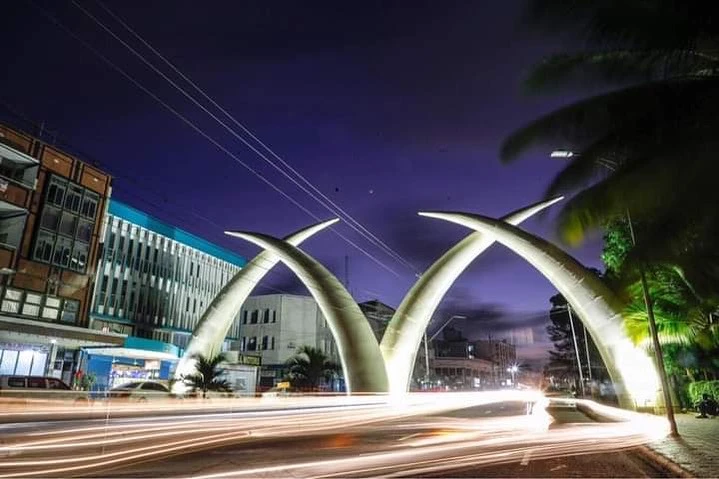
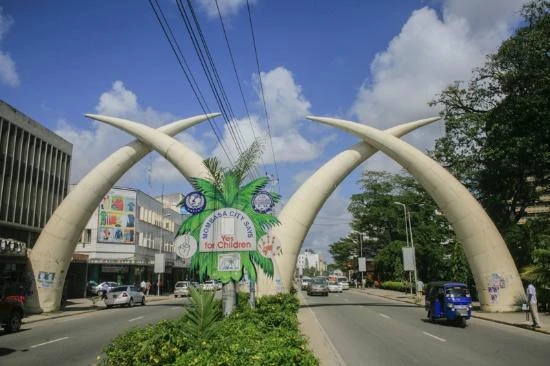
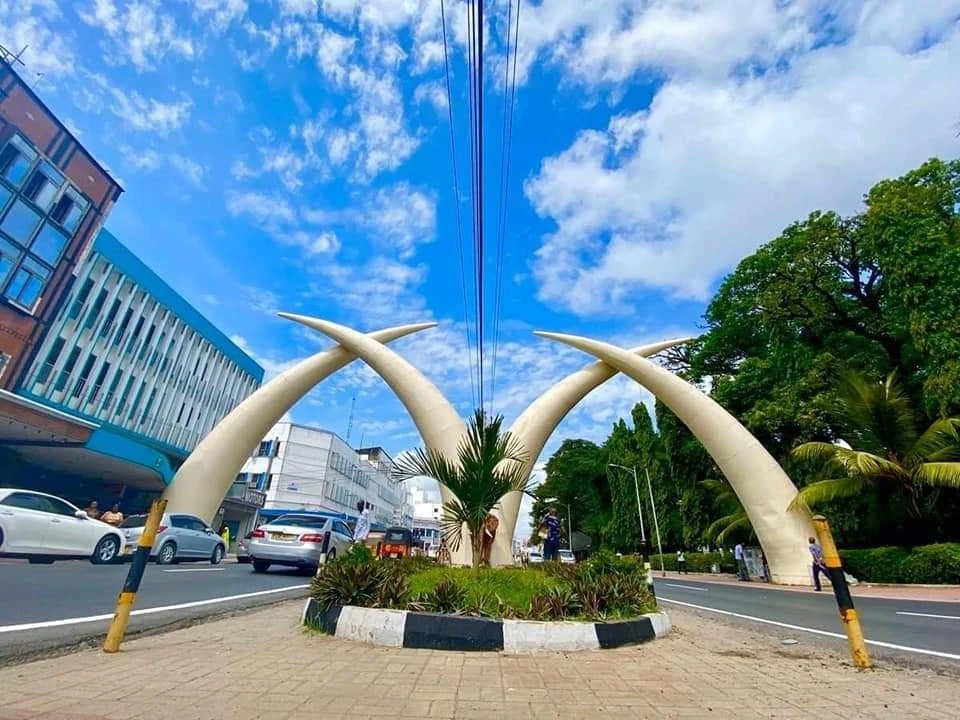
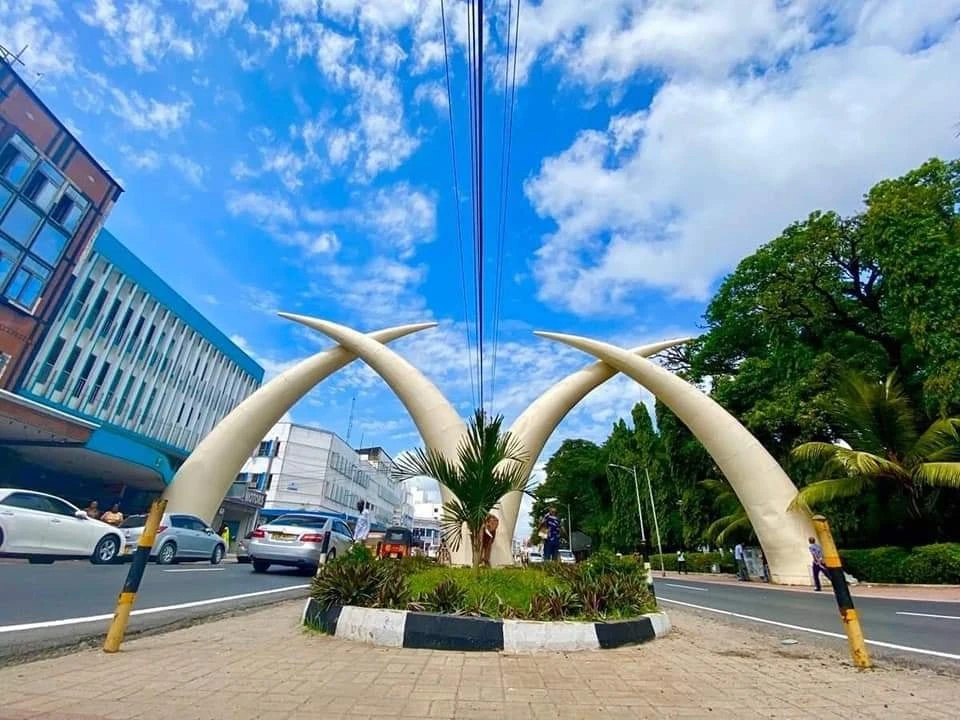
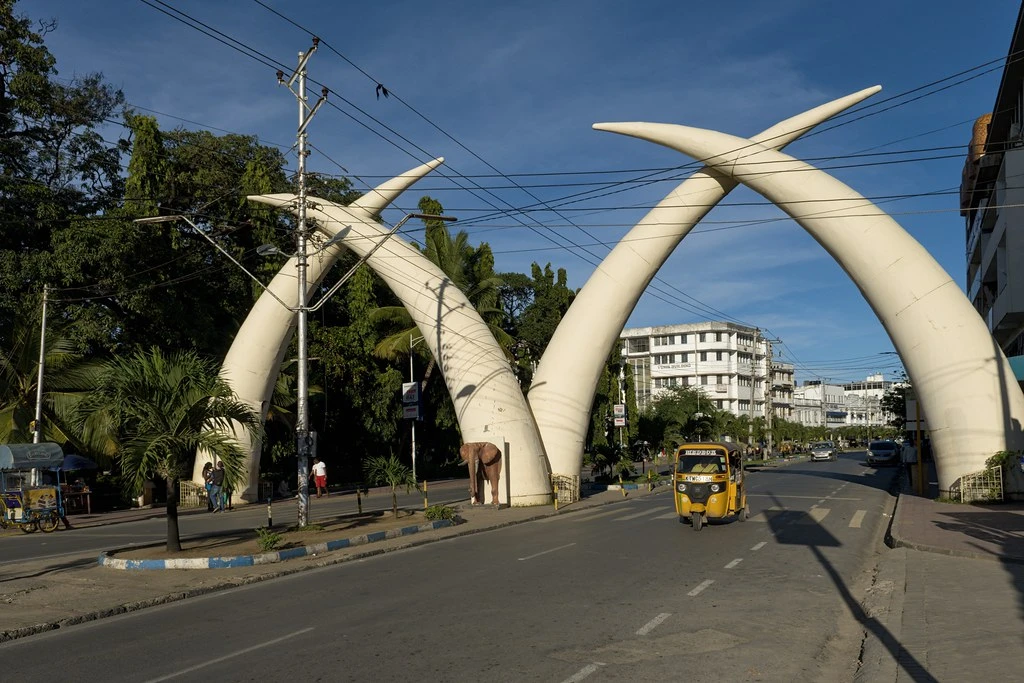
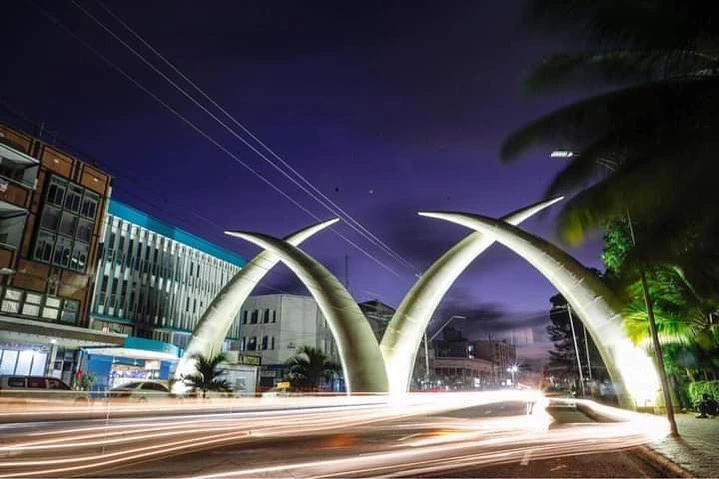
Pembe za Ndovu, also known as the Mombasa Tusks, is one of Kenya’s most iconic historical landmarks. Located along Moi Avenue in the heart of Mombasa, this monument symbolizes the city’s rich Swahili culture, coastal heritage, and historical role in the ivory trade. The landmark is a popular stop for city tours, photography, and cultural excursions along the Kenyan Coast.
Pembe za Ndovu is a famous pair of giant aluminum tusks erected in 1952 to commemorate the visit of Queen Elizabeth II to Mombasa. Positioned facing each other to form the letter “M” for Mombasa, the tusks have since become a powerful symbol of the city and a key attraction for visitors exploring Kenya’s coastal history.
The monument reflects Mombasa’s past as a major trading port, especially during the era of the ivory trade, and today stands as a reminder of the region’s cultural and historical significance. Surrounded by bustling streets, colonial-era buildings, and local markets, Pembe za Ndovu offers visitors a glimpse into everyday coastal life.
A visit to Pembe za Ndovu is often included in Mombasa city tours, making it an ideal stop for travelers interested in history, photography, and cultural sightseeing. With PJ Safaris, guests enjoy guided tours that provide deeper insight into the landmark’s history, Swahili heritage, and the vibrant atmosphere of Mombasa.