When Luxury Meets the Wild: Tourism Development and the Great Migration
The Great Migration is one of Earth’s most breathtaking natural spectacles—a pulse of life as millions of wildebeest, zebras, and antelopes move across the Serengeti–Mara ecosystem in a sweeping rhythm set by rain, grass, and instinct. It is a reminder that some of the planet’s most extraordinary events happen without scripts, schedules, or reservations.
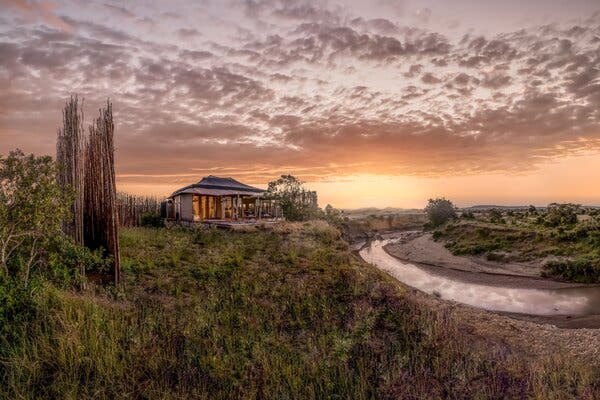
But as tourism grows in East Africa, especially in areas bordering national parks and conservancies, conversations have emerged about how luxury developments—of all kinds and brands—can influence wildlife pathways. These discussions often surface whenever a high-profile lodge or resort is built near a sensitive ecological zone, prompting questions about balance, responsibility, and long-term impact.
Understanding the Landscape
In ecosystems like the Serengeti and Maasai Mara, wildlife does not move in straight lines or predictable corridors. Migration routes shift with rainfall, soil fertility, and grazing patterns. This means that any construction—roads, fences, buildings, or even increased vehicle traffic—has the potential to alter how animals navigate the landscape.
The concern is not about one specific property alone; it is part of a larger conversation about how tourism infrastructure can overlap with natural movement patterns. Conservationists often advocate for:
-
Low-impact design, ensuring structures blend into the environment.
-
Open corridors, free from fencing or barriers.
-
Sustainable footpaths and vehicle routes, minimizing disturbance.
-
Community-based conservancies, where local stewardship preserves both culture and ecology.
Why the Debate Arises
Luxury brands draw attention—not only for the experiences they offer but for the ecosystems they choose to inhabit. When any high-end lodge appears near a migration route, public scrutiny naturally follows. People wonder:
-
Could the building interfere with wildlife flow?
-
Does increased traffic create pressure on the land?
-
How do operators ensure minimal impact?
These questions are part of a healthy, ongoing dialogue about responsible tourism. Many reputable hospitality groups collaborate closely with environmental experts, local communities, and regulatory bodies to ensure compliance with conservation standards. Still, the conversation remains important, because ecosystems are delicate and human presence—no matter how carefully managed—always requires thoughtful planning.
The Larger Picture: Conservation and Responsibility
The heart of the issue is not a single property or brand, but the challenge of balancing economic opportunity, community benefit, and ecological protection. Tourism is a major source of income in East Africa, creating jobs and funding conservation initiatives. But it must also safeguard the very wildlife that draws travelers from around the world.
As awareness grows, so does the push for:
-
Stricter environmental review processes
-
Transparent impact assessments
-
Greater partnership between tourism operators and conservation groups
-
Continuous monitoring of wildlife movement
This approach ensures that tourism does more than provide beautiful escapes—it becomes a force that protects the landscapes it celebrates.
A Path Forward
The story of wildlife migration is millions of years old, while the story of luxury tourism is comparatively new. Both can coexist, but only with care, humility, and a commitment to the land.
Writing about these issues isn’t about singling out any one company—it’s about recognizing a shared responsibility. As travelers, developers, local leaders, and conservationists work together, the hope is that future generations will witness the Great Migration not as a fragile memory, but as a thriving masterpiece of the natural world.