
The New Artery to Kenyan Tourism: How Dualling the Mau Summit–Rironi Road Will Rewire Travel, Trade and Visitor Growth

1. Key Background: What Makes This Highway So Important?
The A8 corridor is the main land route linking Nairobi to the Rift Valley and Western Kenya. It is vital for tourism, cargo movement, agriculture, and regional trade. The road is frequently used by tour operators, safari vehicles, event travelers, domestic tourists, and cross-border visitors.
Upgrading it into a dual carriageway introduces a faster, safer, more predictable route connecting Nairobi to Naivasha, Nakuru, and onward to Eldoret. It also improves feeder access to parks, lakes, crater viewpoints, conservancies, cultural sites, and adventure destinations.
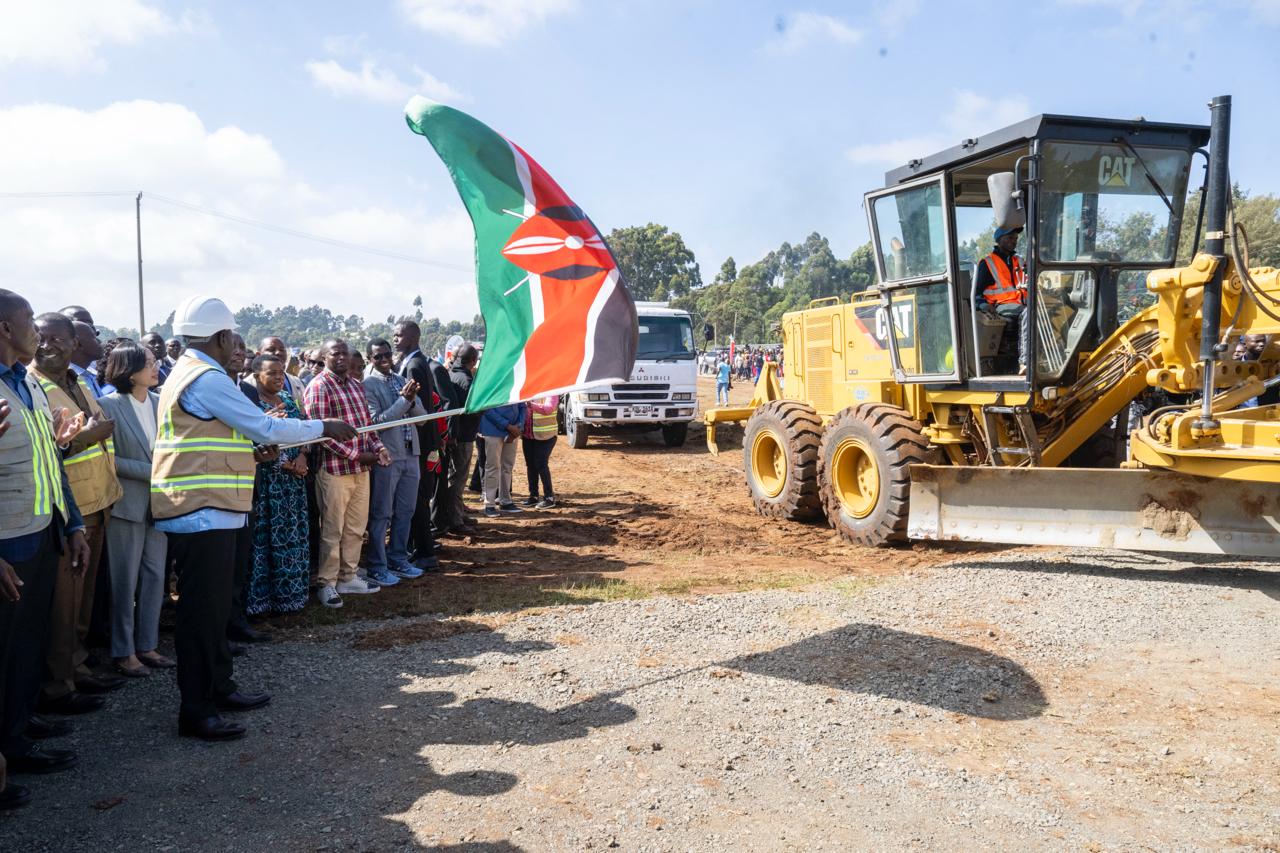 President William Ruto commissions the Rironi-Mau summit road at Kamandura, Kiambu, on November 28, 2025/PCS
2. Faster Access to Kenya’s Top Tourist Destinations
Tourism thrives on convenience. The dual carriageway will greatly improve access to some of Kenya’s most visited destinations:
-
Lake Naivasha – boat rides, Crescent Island, and water sports
-
Hell’s Gate National Park – hiking, cycling, rock formations
-
Lake Nakuru National Park – rhinos, flamingos, diverse wildlife
-
Menengai Crater – panoramic views and adventure trails
-
Maasai Mara (via Mai Mahiu / Narok) – Kenya’s premier safari destination
Smoother travel encourages both domestic and international tourists to take more trips, especially short-notice weekend travel and day tours.
3. Reduced Travel Time: A Game Changer for Tourism
The current single-carriageway sections often experience heavy congestion, long delays, and unpredictable travel times. Dualling the road will:
-
Reduce journey times between Nairobi and Naivasha/Nakuru
-
Eliminate major bottlenecks around Limuru, Mai Mahiu, and Gilgil
-
Improve reliability for early-morning and evening transfers
-
Enable tighter scheduling for safari operators
Shorter travel time means tourists can visit more attractions in one day and operators can design more efficient itineraries.
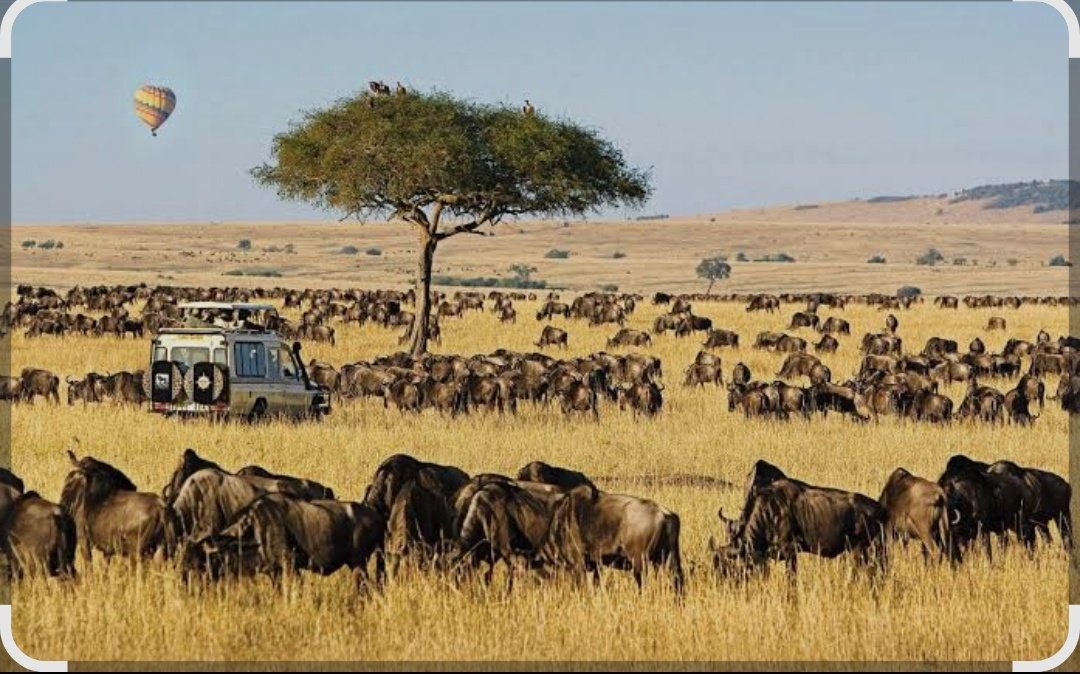 Some of the wildebeests in Masaai Mara National Reserve/REBECCA MIANO/X
4. Better Road Safety Increases Tourist Confidence
Safety is a major factor for both local and foreign visitors. The upgraded highway includes:
-
divided dual lanes that reduce head-on collisions
-
enhanced lighting and signage
-
proper shoulders and drainage
-
safer pedestrian and market-area crossings
-
modern interchanges replacing dangerous junctions
A safer road boosts Kenya’s reputation as a comfortable destination for self-drive tourism and group travel.
5. Hospitality and Investment Growth Along the Corridor
Modern highways attract new businesses. As traffic flow improves, we can expect significant investment in:
-
new hotels and lodges
-
restaurants and food courts
-
petrol stations and EV charging stations
-
roadside craft markets and cultural centers
-
recreational stops and service plazas
These developments will increase accommodation options, create jobs, and diversify tourism experiences for travelers heading through the Rift Valley.
6. Revitalizing Domestic Tourism
Domestic tourism is one of Kenya’s fastest-growing segments. Improved transport infrastructure encourages:
-
family road trips
-
school excursions
-
couples’ weekend getaways
-
group road adventures
-
event-based travel in Naivasha and Nakuru (concerts, weddings, conferences)
The upgraded road makes it easier and more affordable for Kenyans to explore their own country, boosting year-round tourism revenues.
7. Enhanced Regional Travel & Multi-Country Safari Circuits
The highway is also part of the larger Northern Corridor, linking Kenya to:
-
Uganda
-
Rwanda
-
Burundi
-
South Sudan
-
Eastern DRC
Easier regional mobility promotes cross-border tourism circuits — for example, visitors combining Nairobi, Naivasha, the Mara, and Uganda’s gorilla trekking in one itinerary. Smooth, predictable transit strengthens Kenya’s role as a regional tourism gateway.
8. Stronger Support for Tour Operators and SMEs
Tourism businesses directly benefit from:
-
lower vehicle maintenance costs due to better surfaces
-
improved schedule reliability for pickups and drop-offs
-
reduced fuel consumption
-
expanded coverage areas
-
easier access to remote attractions
These advantages improve profitability and service quality for tour operators, shuttle services, car hire companies, and adventure tourism providers.
9. Economic Impact That Indirectly Strengthens Tourism
The dualling project also stimulates the wider economy, which indirectly boosts tourism:
-
More local jobs: Construction, transport, hospitality, trade
-
Growth of local businesses: Markets, shops, artisans
-
Better agricultural logistics: Higher incomes for communities near tourist sites
-
Enhanced integration with railway and airports: More seamless movement of goods and people
A stronger local economy means better services for tourists and more resilient tourism value chains.
10. Considerations & Sustainability Factors
A comprehensive view of the project should also consider:
-
Toll affordability for domestic travelers
-
Environmental protection, especially in Rift Valley ecosystems
-
Wildlife corridors and proper drainage
-
Clear communication about construction phases to reduce disruptions
-
Community involvement in tourism planning and opportunities
These factors ensure that the benefits of the new highway are long-lasting and shared equitably.
Conclusion: An Infrastructure Project That Rewrites Kenya’s Tourism Future
The dualling of the Mau Summit–Rironi Road is more than a transport upgrade — it is a strategic investment in Kenya’s tourism engine. By improving connectivity, reducing travel times, and expanding access to world-class attractions, the project strengthens every layer of the tourism value chain.
From tour operators and hotels to local artisans, parks, and small towns, the improved road promises faster trips, safer journeys, more visitors, and fresh investment opportunities. It truly is the new artery powering the future of Kenyan tourism.