
Are Dietary Restrictions Accommodated on Kenya Safaris? A Complete Guide
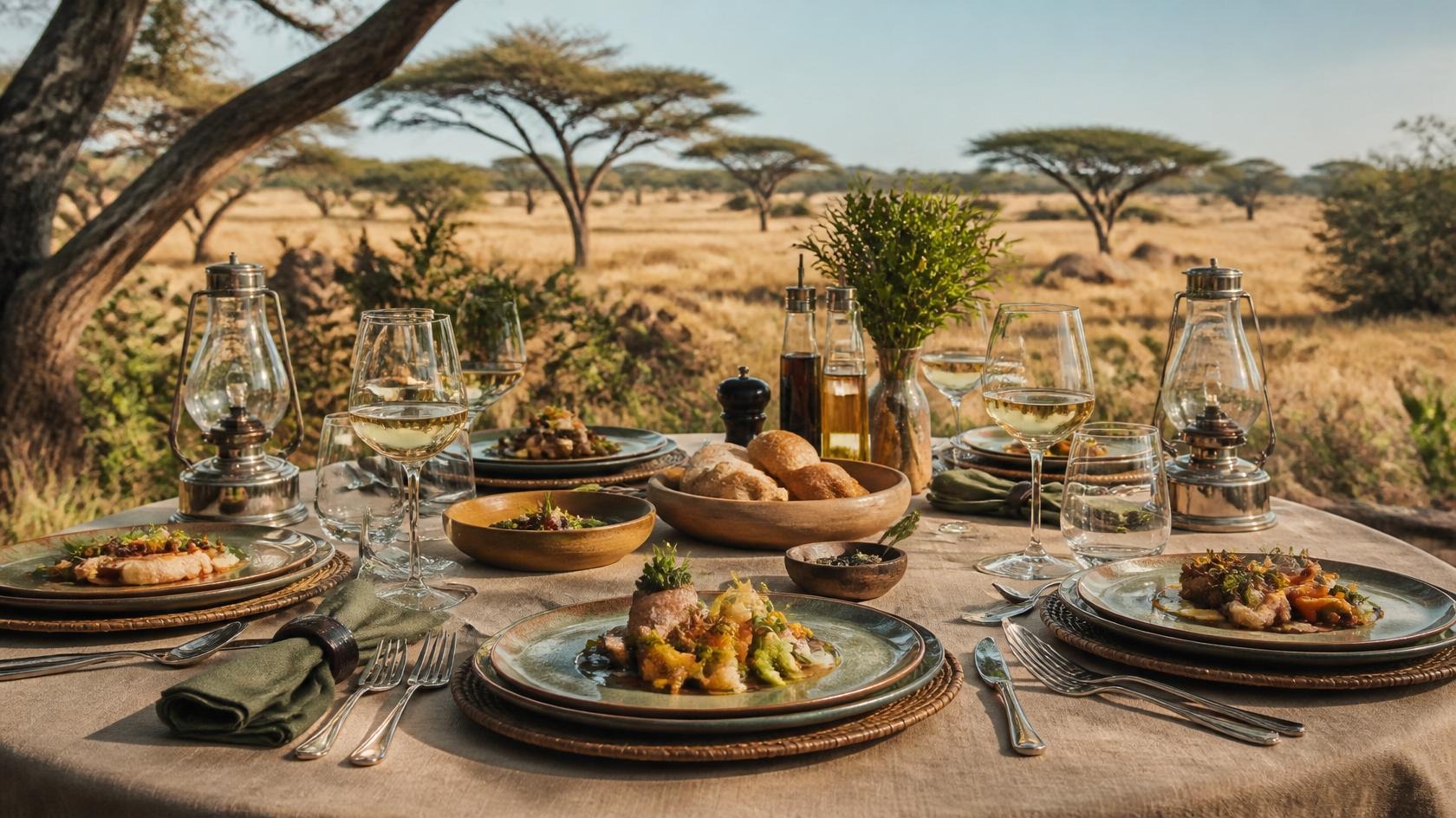
If you are concerned about whether your dietary needs can be met while exploring the wild, the short answer is yes.
Whether you are vegan, gluten-free, halal, or managing a severe food allergy, safari lodges and camps are well-equipped to ensure you remain safe and well-fed.
What to Expect
Most safari lodges offer a mix of local, Western, and Asian cuisines, typically served as buffets or multi-course plated meals.
Commonly Accommodated Diets: Vegetarian, vegan, gluten-free, lactose-intolerant, diabetic, halal, and nut-free diets are handled daily by most professional kitchens.
The "Bush" Experience: Even in remote areas, skilled bush chefs are trained to handle dietary restrictions with care, often using dedicated prep zones or specific cookware to prevent cross-contamination for severe allergies.
Creative Alternatives: Chefs frequently swap ingredients to suit your needs—for example, using rice or ugali (maize meal) instead of wheat-based chapati, or providing dairy-free alternatives like soy or oat milk.
How to Ensure Your Needs Are Met
The secret to a stress-free safari dining experience is communication.
Notify Your Operator Early: Mention your dietary needs at the time of booking, not just when you arrive.
Provide these details in writing so your tour operator can share them with every lodge on your itinerary. Be Specific: Instead of just using labels like "vegan" or "gluten-free," spell out exactly what you avoid (e.g., "no ghee," "no honey," "no cross-contact with nuts").
Reconfirm Upon Arrival: Once you reach a camp, take a moment to introduce yourself to the head chef or manager.
This "handshake" allows them to personally confirm they have the necessary supplies to keep you safe. Carry a Backup: While lodges work hard to accommodate you, carrying a few of your own specialized snacks—such as protein bars, gluten-free crackers, or specific supplements—is always a smart travel strategy for long transit days.
Pro-Tips for a Stress-Free Dining Experience
Pack Backup Snacks: For long travel days between camps, it is always wise to keep a few non-perishable, "safe" snacks—like protein bars or allergen-free crackers—in your luggage.
Engage Your Guide: Your safari guide is your best advocate on the ground.
They are experts at communicating guest needs to lodge staff and can ensure the kitchen is prepped before you even pull into camp. Travel with Medications: If you have severe allergies, always carry your emergency medication (such as an EpiPen) on your person during all game drives and activities.
A Note on Severe Allergies
If you have a life-threatening allergy, inform your tour operator well in advance (ideally 60+ days).
Always carry your emergency medication, such as an EpiPen, on your person during all game drives.
With early planning and clear written instructions, your safari meals can be a highlight of your trip, allowing you to enjoy the flavors of the savanna with total peace of mind.