
Masai Mara Safari: When to Go, Where to Stay, and How to See the Big Five
Discover Masai Mara National Reserve
The Masai Mara National Reserve is Kenya’s crown jewel and one of the most iconic safari destinations on the planet. Famed for its breathtaking savanna landscapes, rich Maasai culture, and the legendary Great Migration, it offers a wildlife experience unlike any other. Whether you are chasing the "Big Five" or dreaming of witnessing one of nature's greatest spectacles, this guide has everything you need to plan your perfect trip.
When is the best time to see the Great Migration?
The best time to visit the Masai Mara to witness the Great Migration is between July and October
What is the difference between the National Reserve and Conservancies?
Understanding the distinction between these two areas is key to customizing your safari experience:
The National Reserve: This is a public, government-managed area
. It is completely unfenced, allowing wildlife to roam freely across vast plains . It is the most popular area for game drives, especially during the migration season. The Conservancies: These are private land areas that have been leased from local Maasai landowners
. Staying in a conservancy typically offers a more exclusive, low-density experience . You will find fewer vehicles at sightings, and these areas often allow for unique activities—such as guided bush walks and night game drives—that are generally restricted within the main National Reserve .
Is it safe to visit the Masai Mara?
Yes, the Masai Mara is a very safe and well-established safari destination for international tourists
Book with Reputable Operators: Always use licensed, professional tour operators like Malaso Africa Safaris who understand the terrain and wildlife behavior
. Follow Guide Instructions: Your driver-guide is an expert in the park. Always follow their lead, especially when near large predators or elephant herds, to ensure both your safety and that of the animals
.
Top Experiences in the Masai Mara
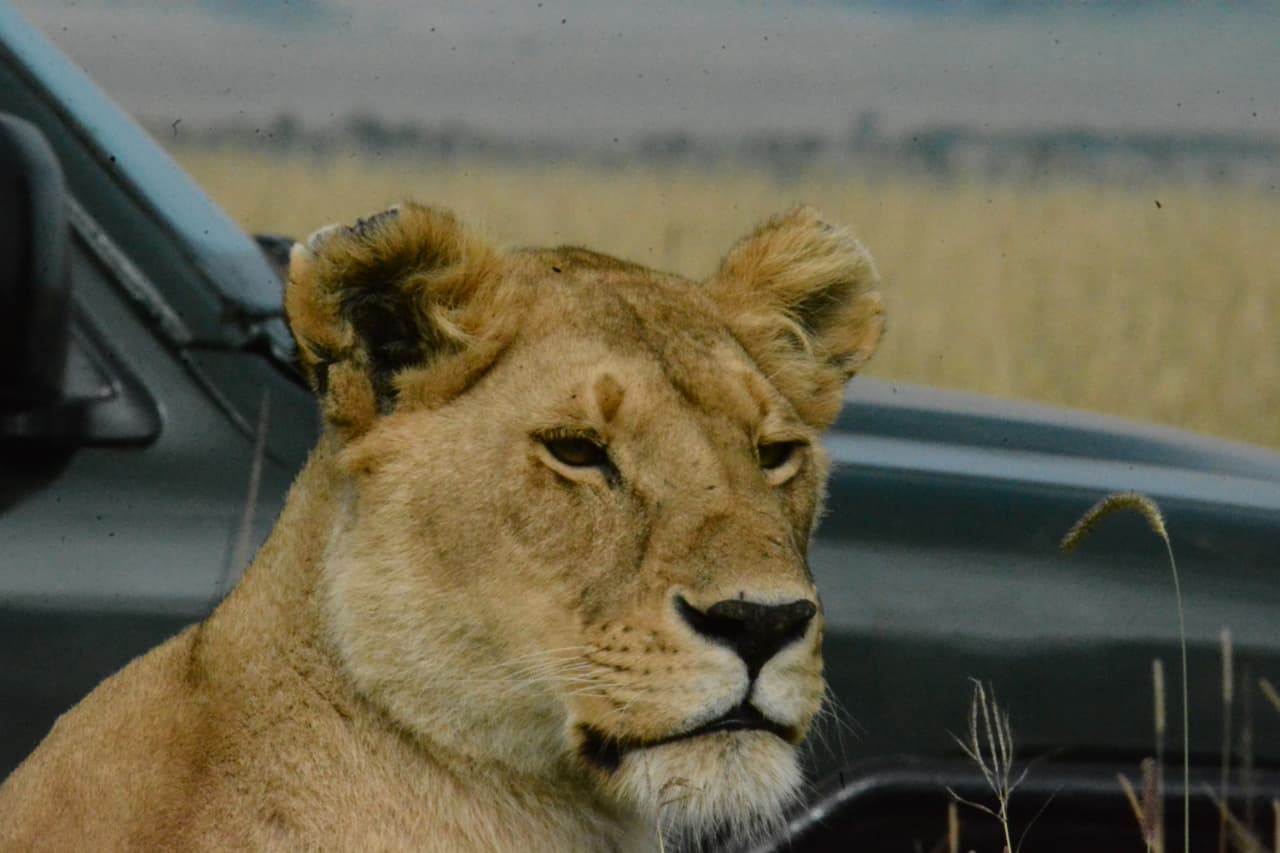
Beyond the Great Migration, the Mara is home to the Big Five (lion, leopard, elephant, buffalo, and rhino). Pro-tip: Plan for at least three days in the Mara to maximize your chances of spotting all of them.
Must-Do Activities:
Sunrise Game Drives: This is when predators are most active.
Maasai Cultural Visits: Engage with local communities to learn about their traditions and their vital role in conservation.
Hot Air Balloon Safaris: See the vast plains from a bird’s-eye view—an unforgettable way to start your day.
Malaso Pro-Tips for Your Safari
Pack Layers: Morning game drives can be quite chilly, while afternoons are often hot. A light, breathable jacket is essential
.