Samburu National Reserve: Rugged Wilderness and The Special Five
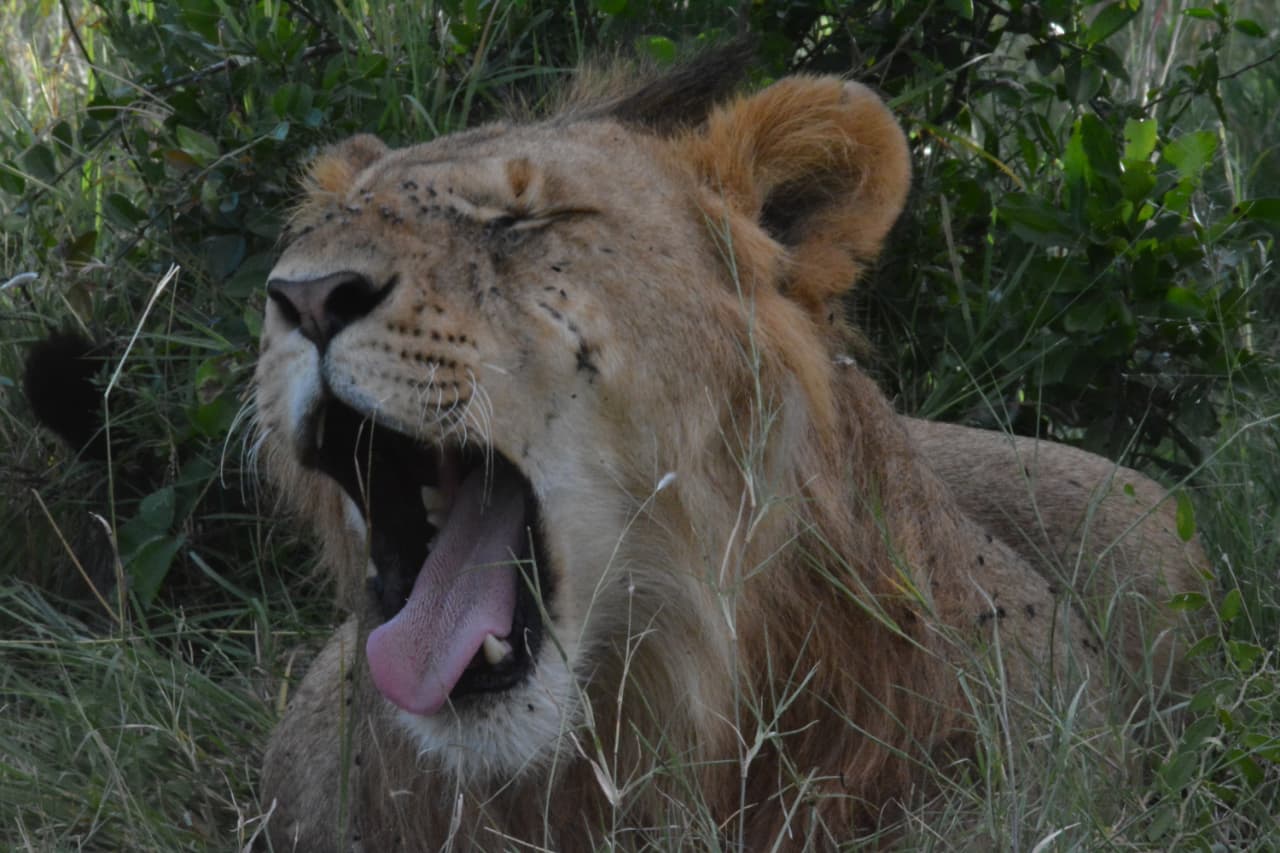
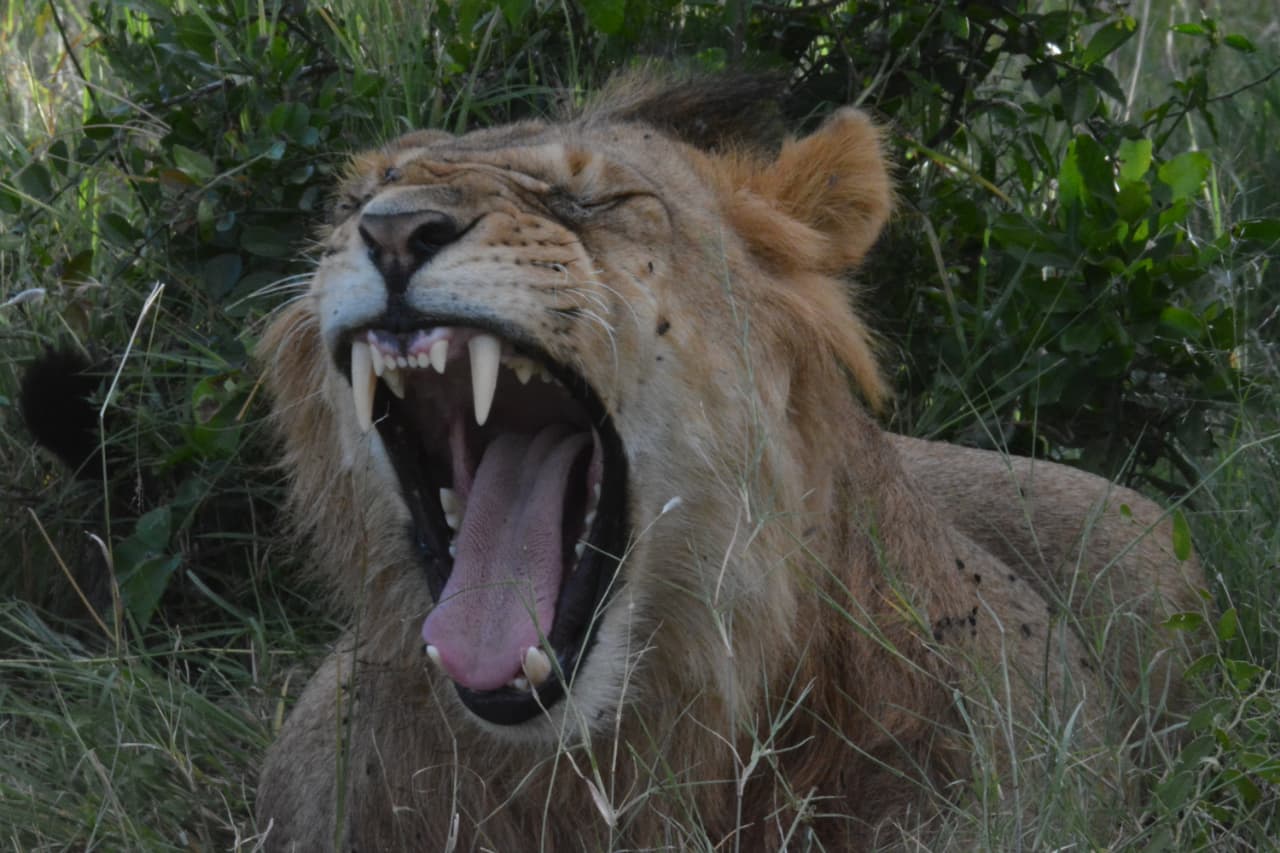
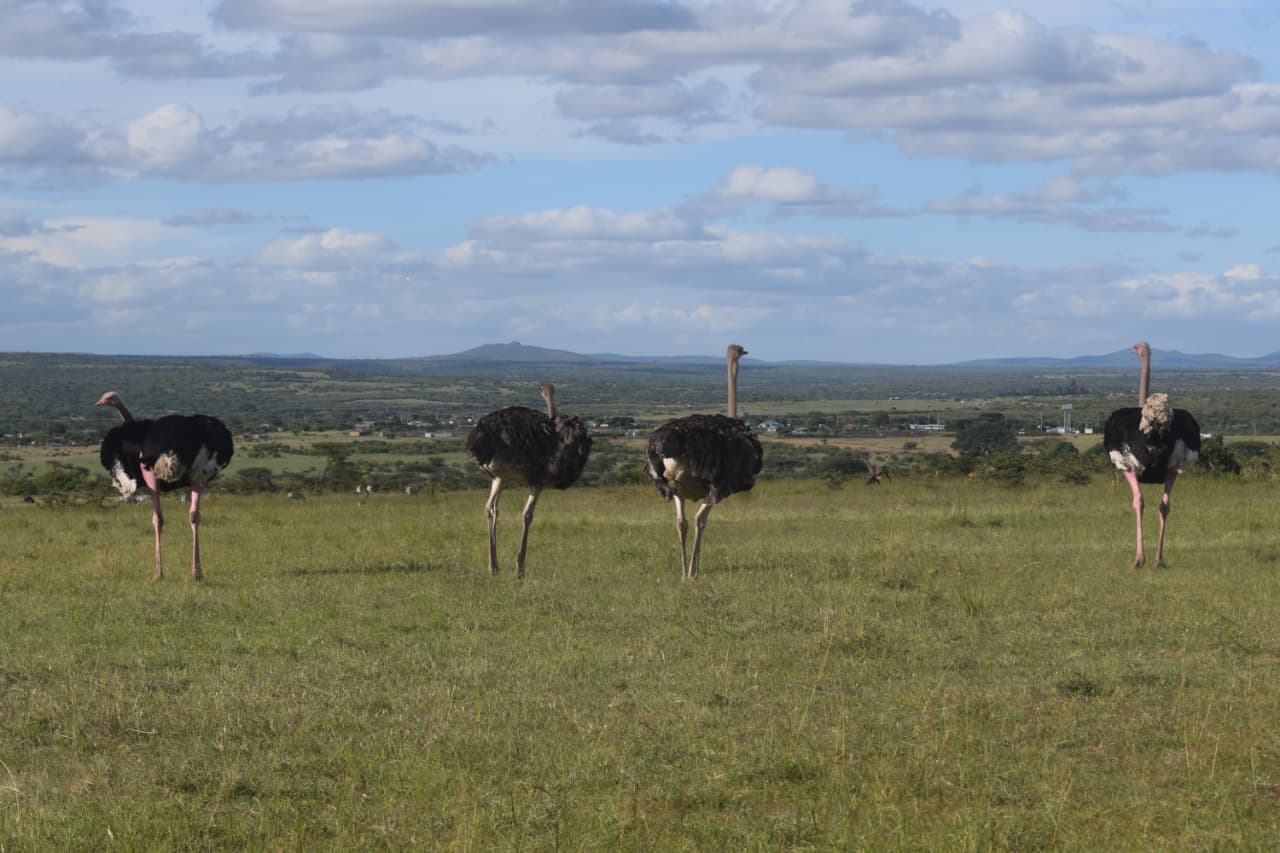
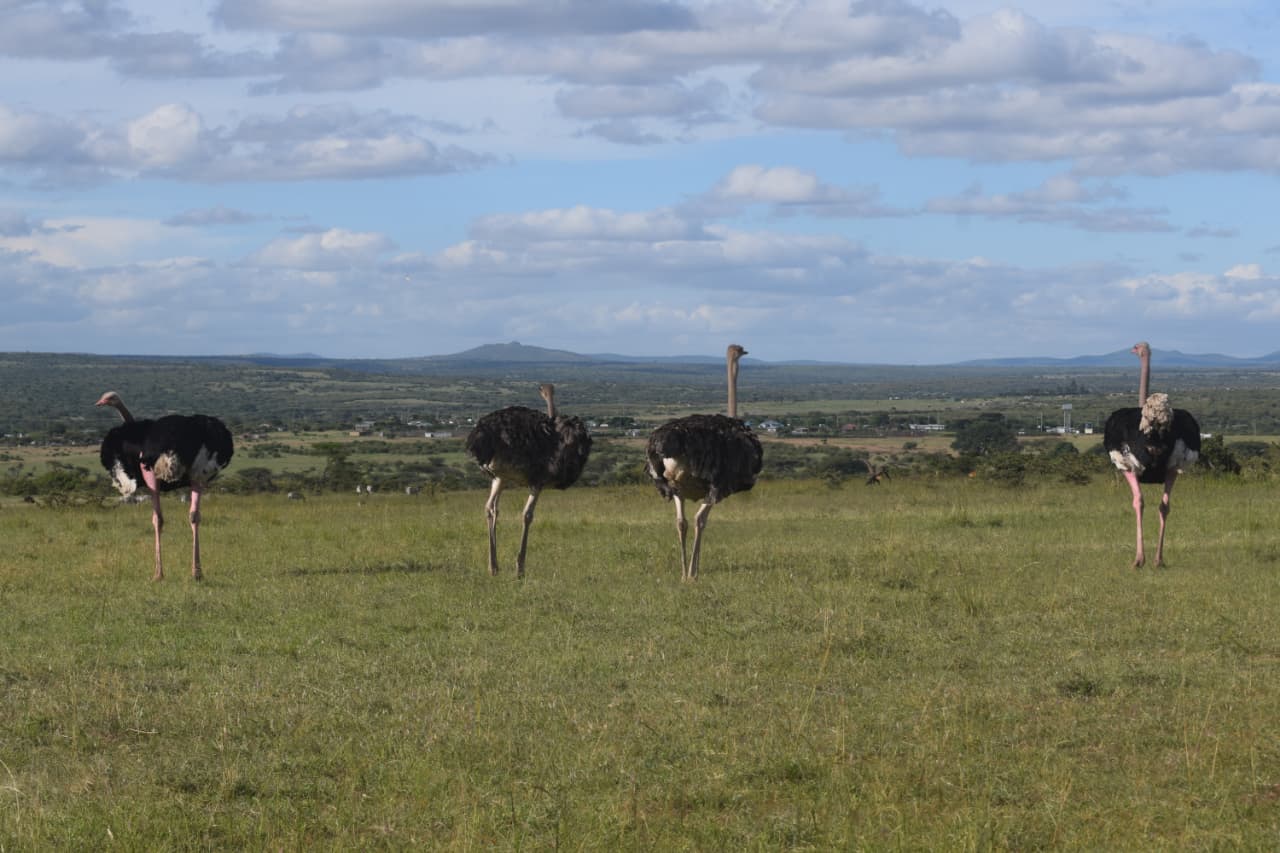
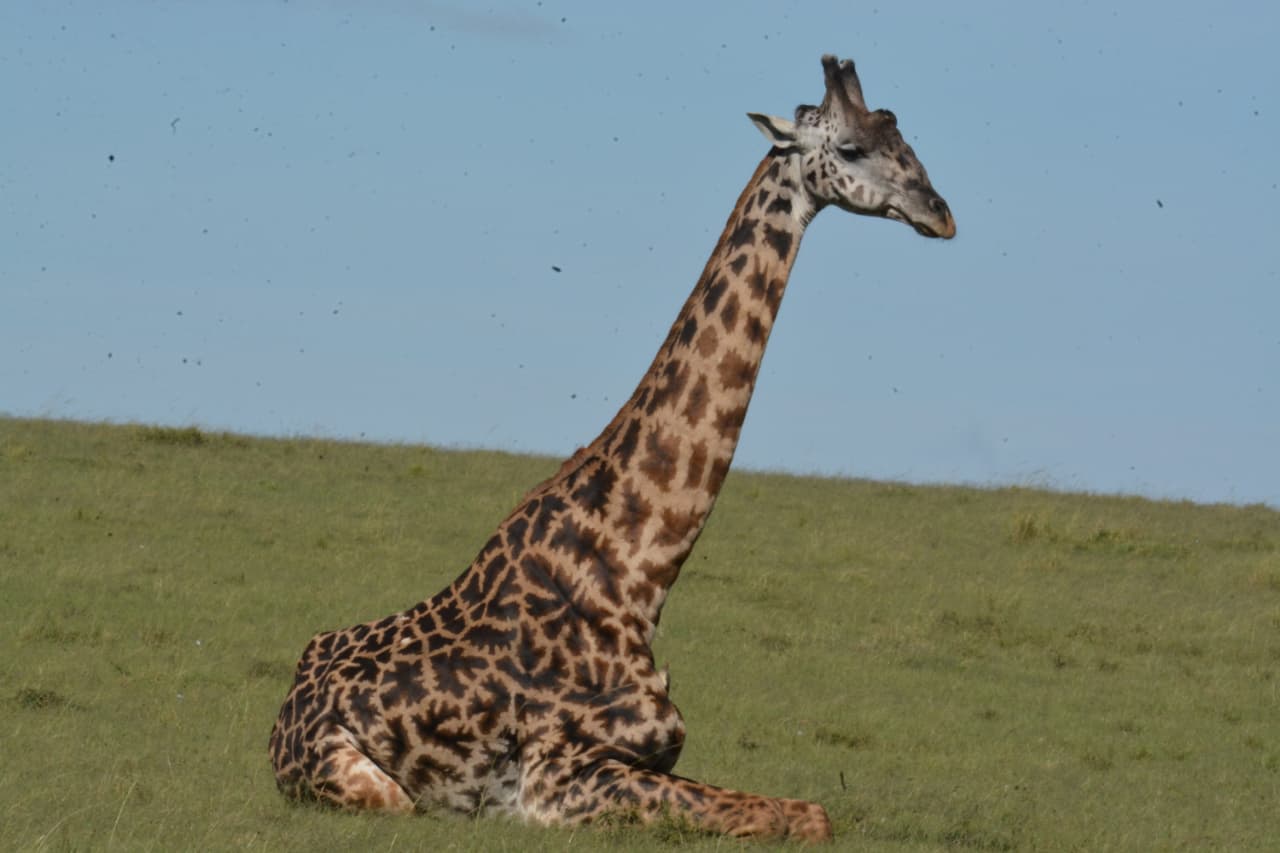
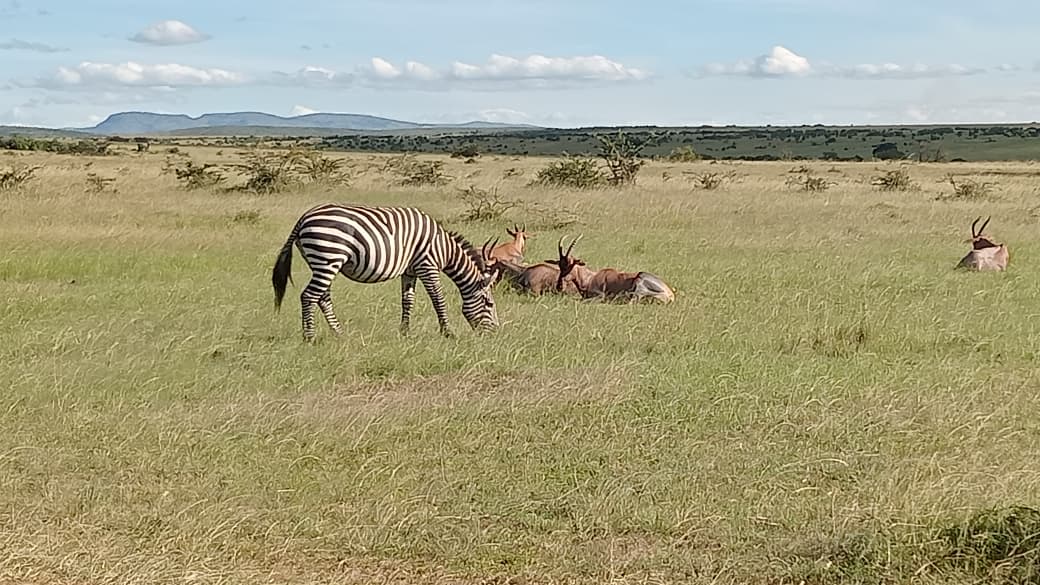
- Samburu National Reserve Overview
- Often described as Kenya’s most "untamed" circuit, Samburu is a semi-arid masterpiece located in the northern Rift Valley.
Unlike the lush southern plains, Samburu’s landscape is defined by volcanic lava terraces, dramatic granite outcrops, and the sacred Mount Ol Lolokwe. The heartbeat of the reserve is the Ewaso Nyiro River—a ribbon of emerald green palms and riverine forest that cuts through a dusty, orange-hued desert. - Historically, this remote region served as the backdrop for iconic conservation stories, including the raising of Elsa the Lioness (of Born Free fame).
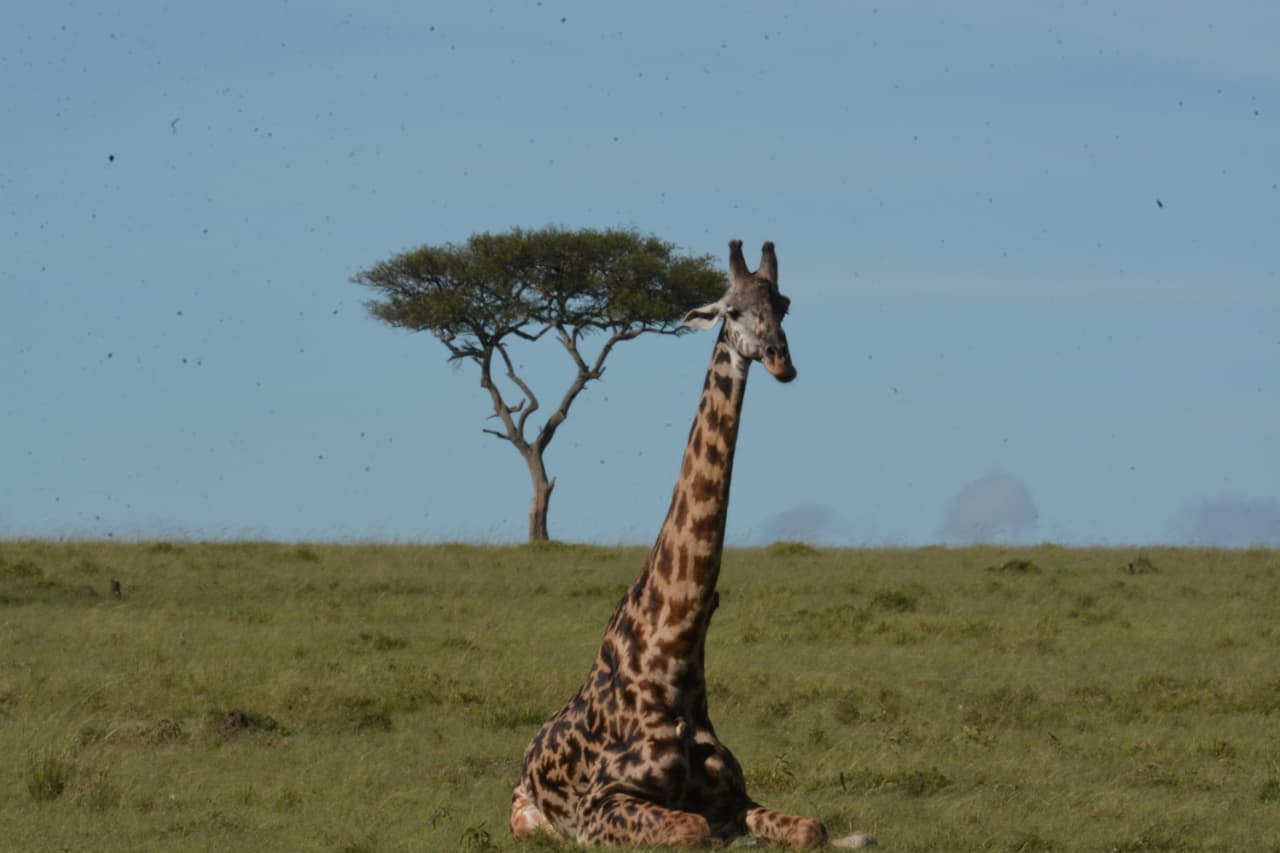
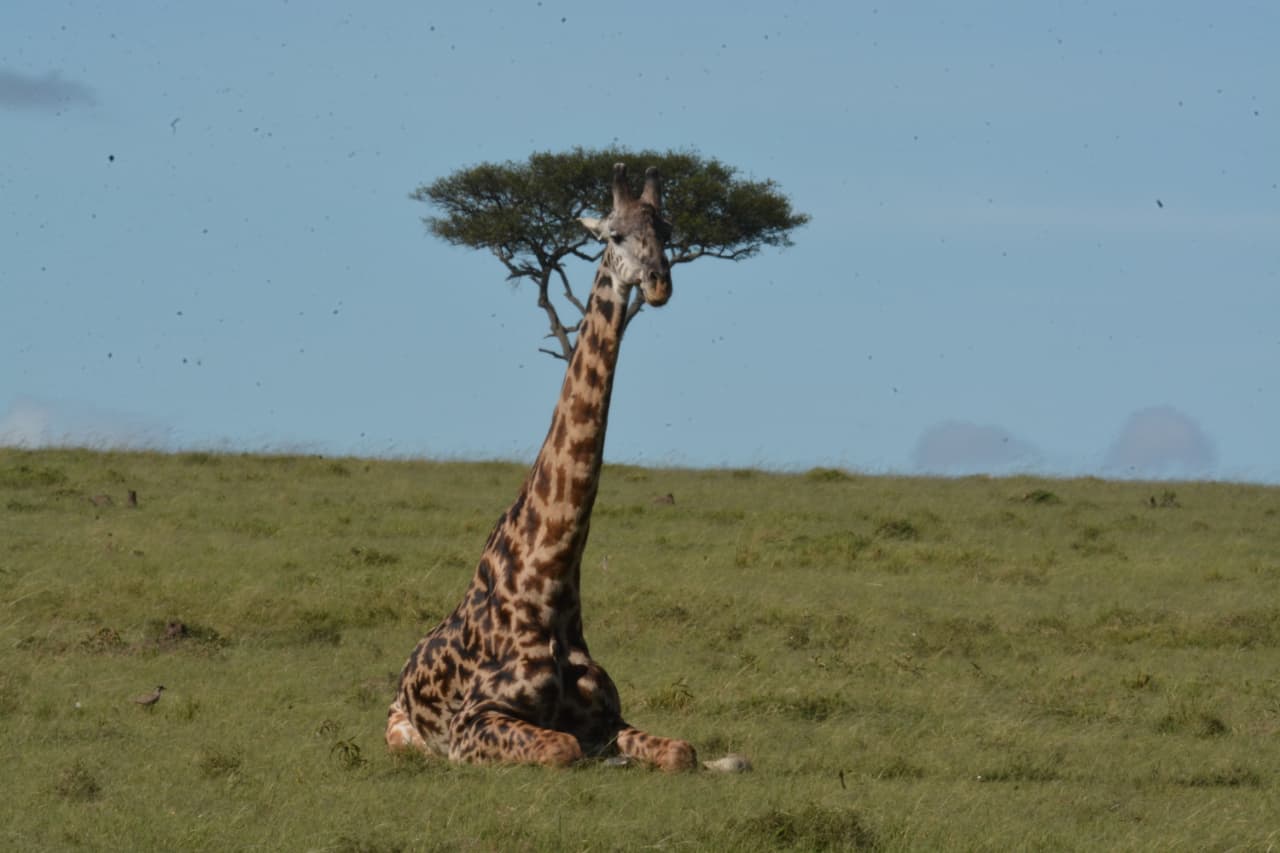
Today, it is an ecological treasure trove for the "Special Five"—species perfectly adapted to arid conditions that you cannot find in the Mara: the reticulated giraffe, Grevy’s zebra, Somali ostrich, beisa oryx, and the long-necked gerenuk. For travelers with Malaso Africa Safaris, a journey to Samburu is a step into a more private, soulful Africa, where the heat of the day gives way to cool, star-filled nights and deep cultural exchanges with the vibrant Samburu pastoralist community
Located in the arid north, Samburu National Reserve is a breathtaking landscape of stark contrasts. The Ewaso Nyiro River acts as an oasis, drawing wildlife from the surrounding volcanic plains. For those who have seen the classic savannah, Samburu offers a wild, untamed alternative that feels truly remote.
The Unique Geography At Samburu National Reserve
The "Special Five": Samburu is the only place to see the Reticulated Giraffe (with distinct, large, block-like spots), Grevy’s Zebra (the largest and most endangered species), Somali Ostrich, Beisa Oryx, and the long-necked Gerenuk.
Climate & Terrain: You are in the Great Rift Valley’s northern reaches. Expect jagged mountains in the distance and dusty, scrub-covered plains. The heat is dry and intense, making the riverside forests a vital sanctuary for leopards and elephants.
Expert Tips for Your Visit
Photography: The light in Samburu is golden and clear. Bring a long lens (400mm+) to capture the shy animals that thrive in the thick bush.
Cultural Respect: The Samburu people have a vibrant culture. Always ask your Malaso Africa Safaris guide to facilitate an introduction before taking photographs in a community village.
Frequently Asked Questions (FAQs)
Are there mosquitoes in Samburu? Because it is dry and arid, there are significantly fewer mosquitoes here than in the Mara or coastal regions, but anti-malarials are still recommended.
Can I fly there? Yes, daily flights connect Nairobi directly to Samburu/Buffalo Springs airstrips.
Popular Trips in Samburu National Reserve: Rugged Wilderness and The Special Five
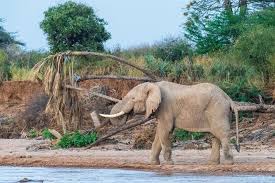
3 Days 2 Nights Samburu Special Five Safari Package
Discover the Samburu Special five with our 3 days-2nights safari package, well curated for unforgettable experience, comfort and proffesionalism.
From 700 USD
View Package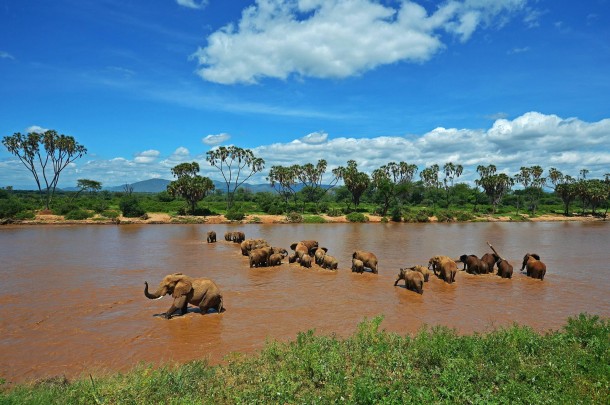
4 Days 3 Nights Samburu Private Safari Package
Discover the Samburu Special five with our 4 days-3 nights safari package, well curated for unforgettable experience, comfort and proffesionalism.
From 980 USD
View Package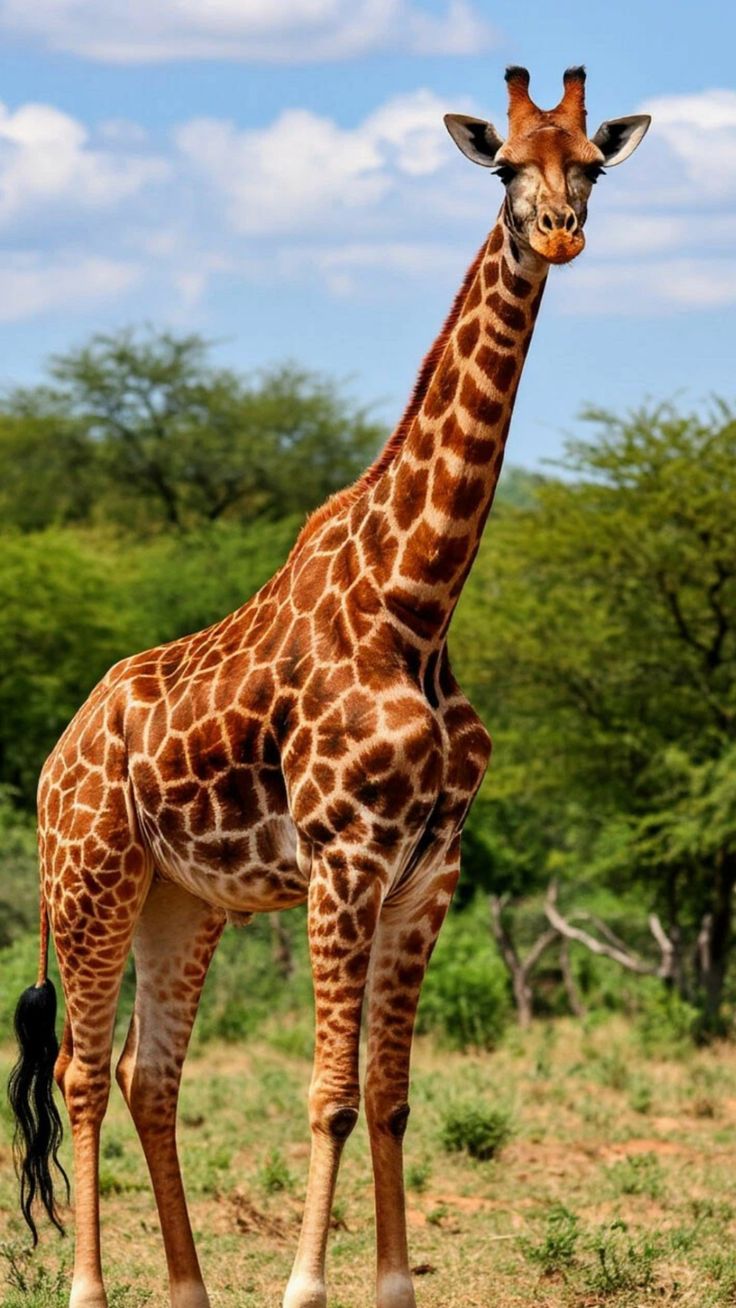
3 Days 2 Nights Samburu Safari Package | Samburu Sopa Lodge Low Season Deals
Discover the untouched beauty of northern Kenya with our 3 Days 2 Nights Samburu Safari featuring a stay at the elegant Samburu Sopa Lodge. This affordable low-season safari takes you to the wildlife-rich Samburu National Reserve, renowned for its dramatic landscapes, the Ewaso Nyiro River, and the rare Samburu Special Five—Grevy's zebra, reticulated giraffe, Somali ostrich, Beisa oryx, and gerenuk. Enjoy thrilling game drives in a 4WD Safari Land Cruiser, exceptional wildlife viewing, breathtaking scenery, and warm Samburu hospitality. Perfect for couples, families, photographers, and nature lovers looking for an authentic safari experience away from the crowds.
From 500 USD
View Package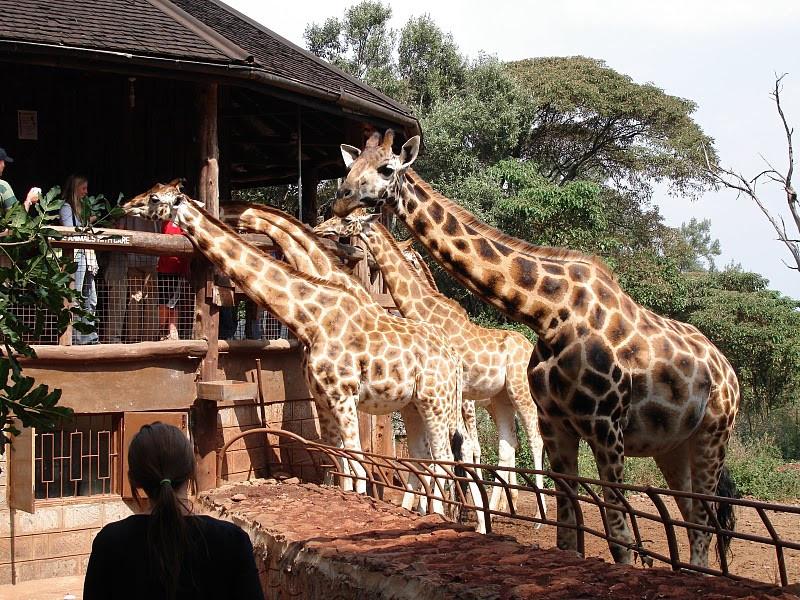
2 Days 1 Night Nairobi National Park & Giraffe Centre Safari
Experience the perfect combination of wildlife, conservation, and nature on this 2 Days 1 Night Nairobi National Park & Giraffe Centre Safari. Ideal for travellers with limited time, this short safari lets you explore Nairobi National Park, Kenya's only wildlife park within a capital city, before visiting the famous Giraffe Centre to meet the endangered Rothschild's giraffes. It's the perfect safari package for families, couples, business travellers, and visitors on short stays in Nairobi.
From 335 USD
View Package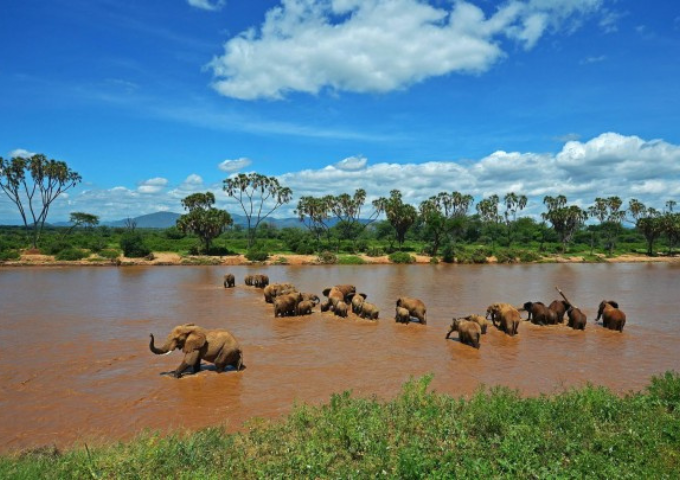
3 Days 2 Nights Samburu National Reserve Group Joining Safari
Explore the wild and rugged landscapes of northern Kenya on this 3 Days 2 Nights Samburu Group Joining Safari from Nairobi. Travel with fellow adventurers in a shared 4x4 Safari Land Cruiser and discover the unique wildlife, breathtaking scenery, and rich Samburu culture that make Samburu National Reserve one of Kenya's most rewarding safari destinations. This affordable group safari is perfect for solo travellers, couples, families, and wildlife enthusiasts seeking an off-the-beaten-path experience.
From 280 USD
View Package