Amboseli National Park: The Land of Giants
Amboseli National Park Overview
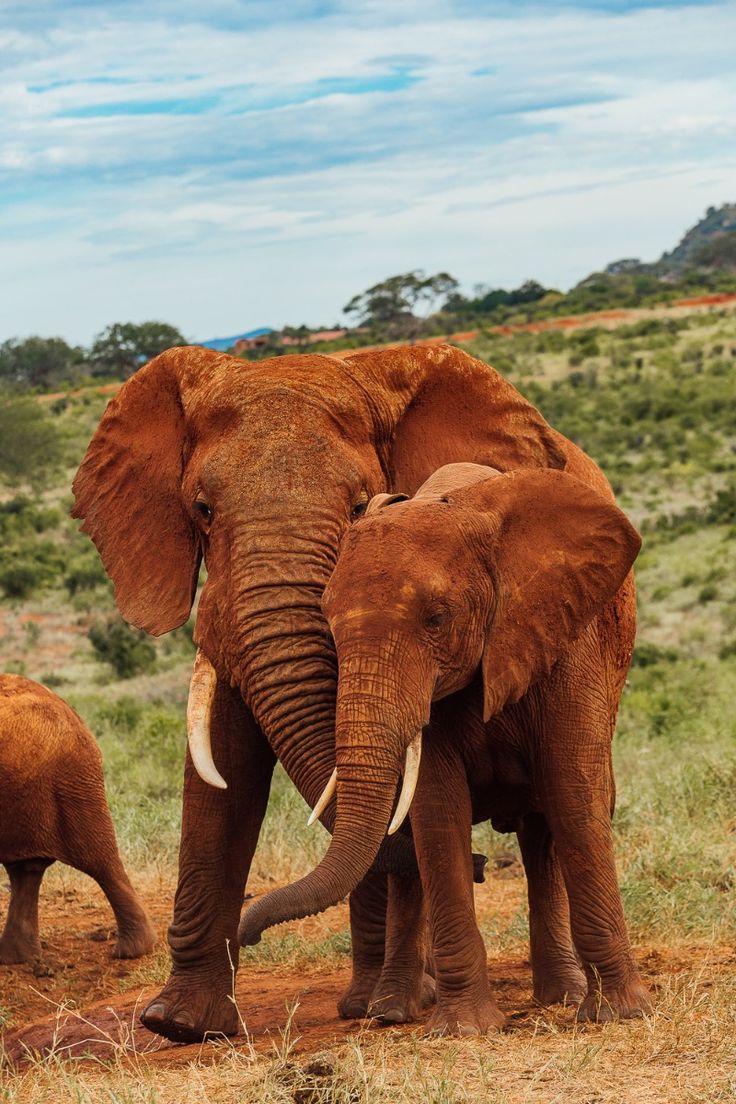
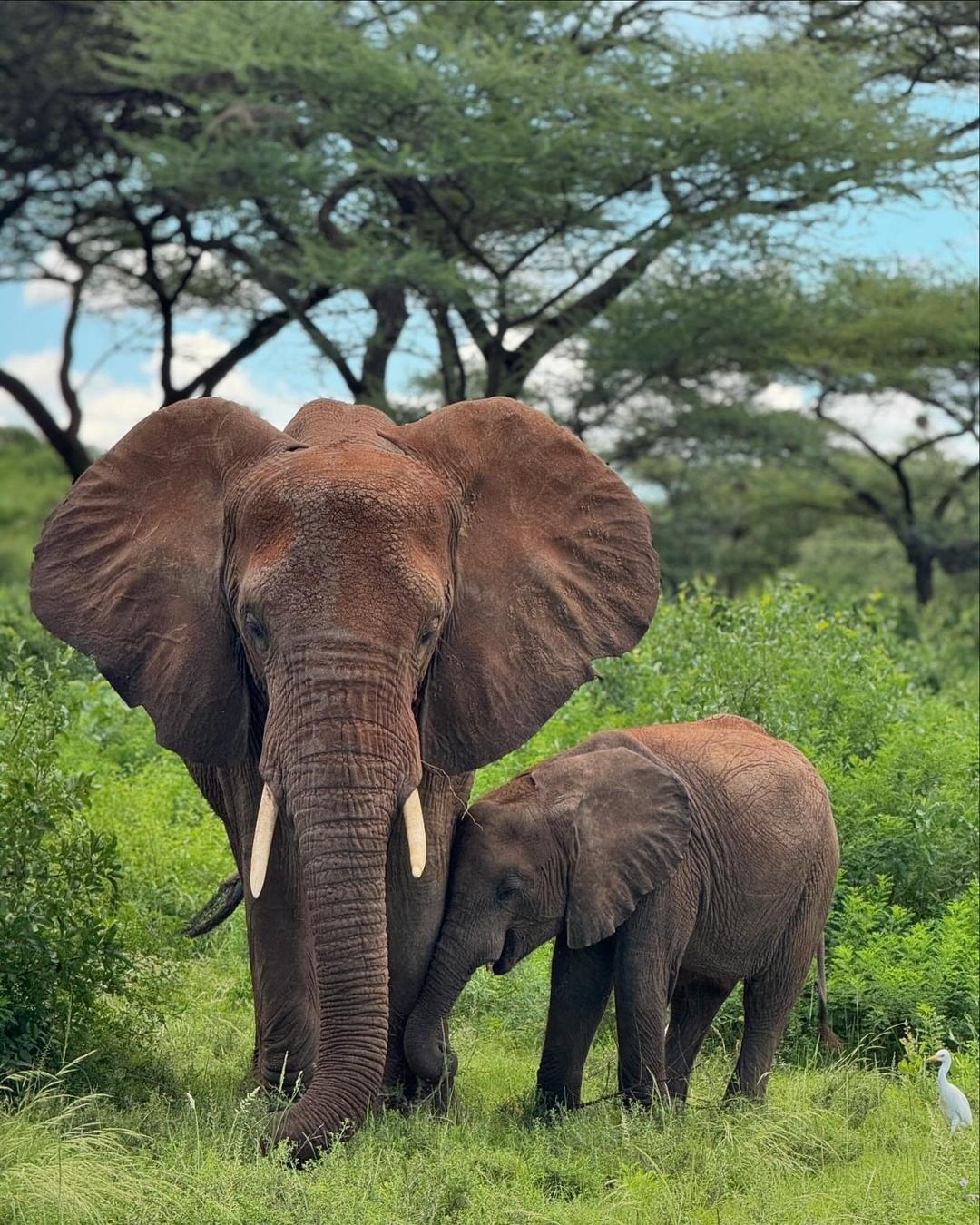
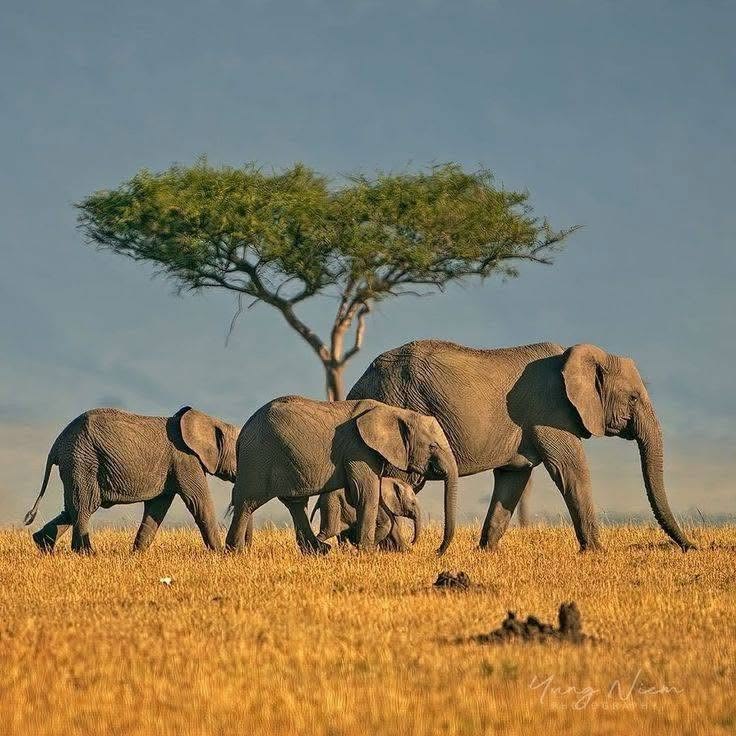
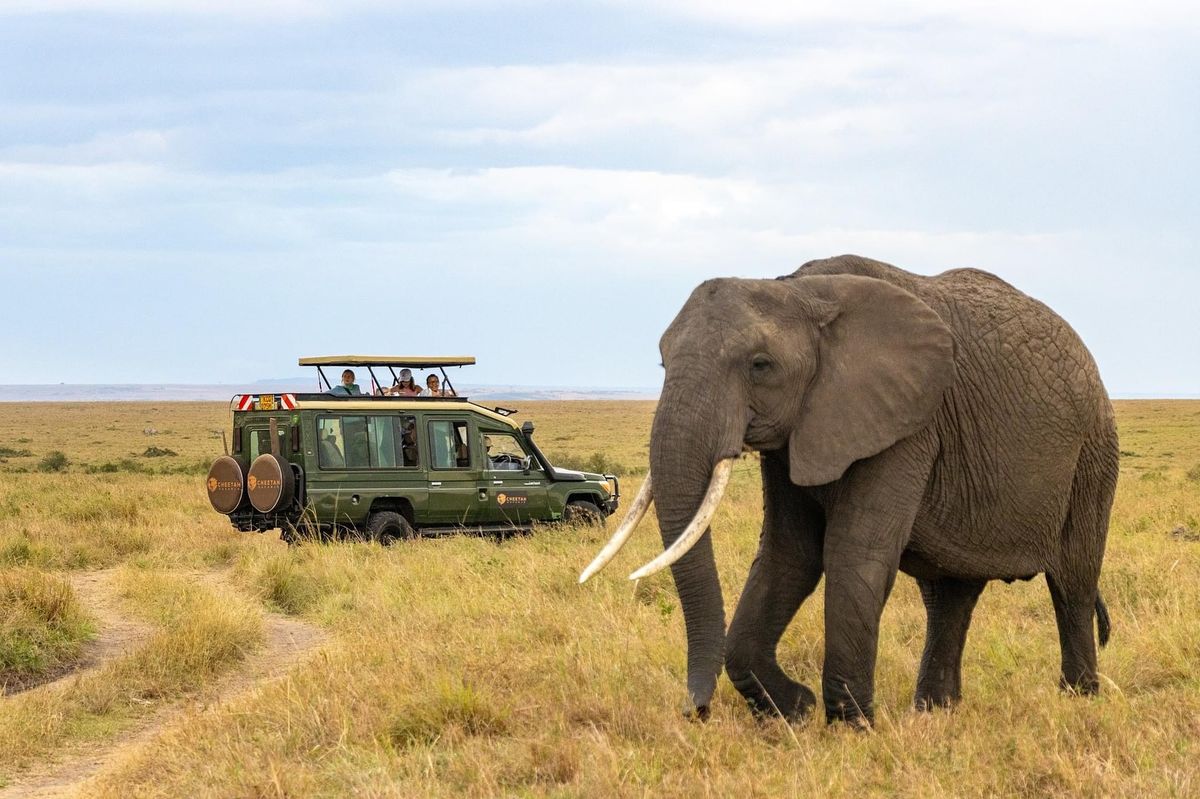
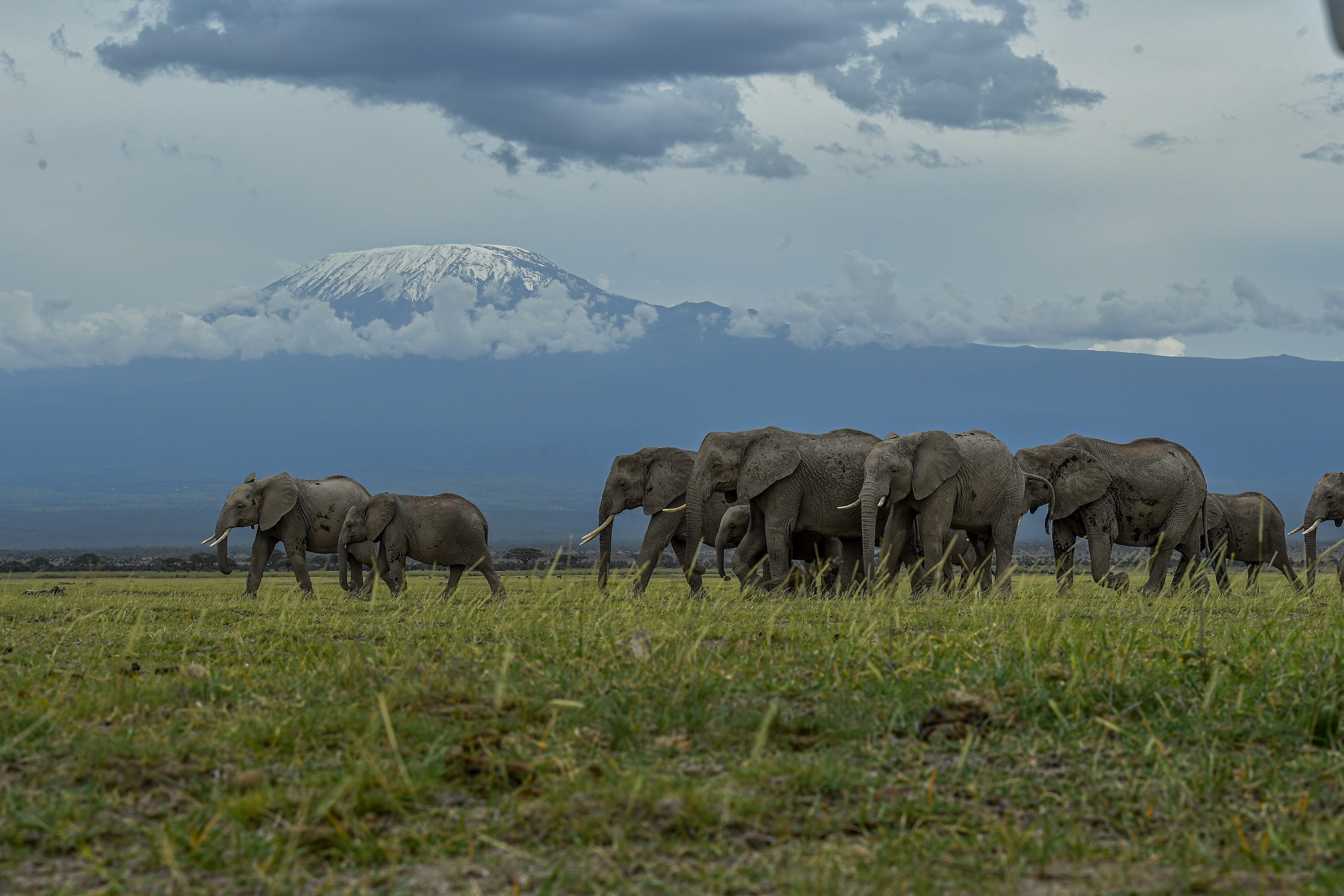
Amboseli is arguably the best place in East Africa to view free-ranging elephants up close. The park is dominated by the colossal presence of Mount Kilimanjaro, which acts as a snow-capped backdrop to your photos. The low-lying vegetation makes spotting wildlife straightforward, even for first-time visitors.
Amboseli is a study in contrasts: a relatively small park (392
This unique geology has birthed an extraordinary environment for the African elephant. Since 1972, the Amboseli Elephant Research Project has been tracking the park's herds, providing the world with its most significant dataset on elephant intelligence, social structure, and matriarchal leadership.
Amboseli National Park Ecosystem & Wildlife
The Elephant Research: Amboseli is home to some of the longest-studied elephant families in the world. You will often see males with massive tusks.
Swamp Ecosystems: Despite the dry surroundings, the park is fed by underground water from Kilimanjaro’s melting snow, creating lush swamps that attract hippos and a massive variety of water birds.
Views: Observation Hill provides a 360-degree view of the park, allowing you to map out where the herds are moving.
Expert Tips for Your Visit
The Kilimanjaro Shot: The mountain is often shrouded in clouds by 10:00 AM. Pro Tip: Start your game drive at sunrise to catch the peak without cloud cover.
Footwear: Some areas near the swamps can be muddy; ensure your safari shoes are comfortable for light walking on Observation Hill.
Frequently Asked Questions (FAQs)
Is Amboseli just about elephants? While elephants are the highlight, the park is also excellent for spotting lions, hyenas, and an incredible array of birdlife (over 400 species).
What is the best time of day for game drives? Early morning (6:30 AM) and late afternoon (4:00 PM) are best. The midday heat drives most animals into the shade of the acacia trees.
Popular Trips in Amboseli National Park: The Land of Giants
3 Days Amboseli Safari Package | Low Season Safari with Mount Kilimanjaro Views
Discover the breathtaking beauty of Amboseli National Park, famous for its large elephant herds and spectacular views of Mount Kilimanjaro. This 3-day safari offers comfortable lodge accommodation, exciting game drives in a 4WD Safari Land Cruiser, and incredible opportunities to spot lions, cheetahs, giraffes, buffaloes, zebras, and over 400 bird species at affordable low-season rates.
From 540 USD
View Package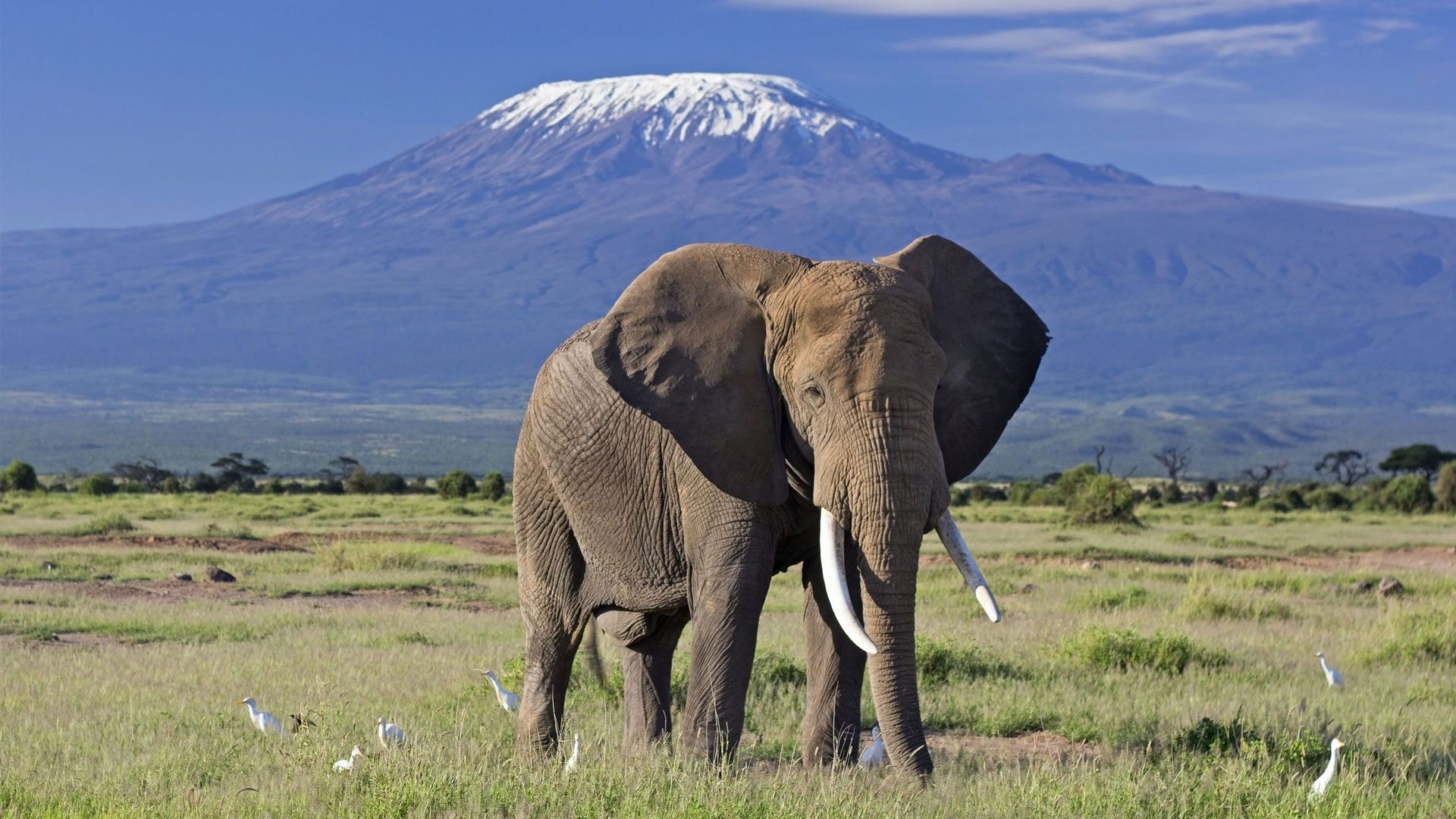
3 Days 2 Nights Amboseli Mara Group Joining Safar
Explore Amboseli National Park in an affordable and unique style. This 3 days Group joing safari esures that you get the same quality safari experience while saving some cash in your wallet. With our well maintained safari landcruisers, professional driver guides to comfortable tents/lodges, this safari is guaranteed and unforgettable.
From 280 USD
View Package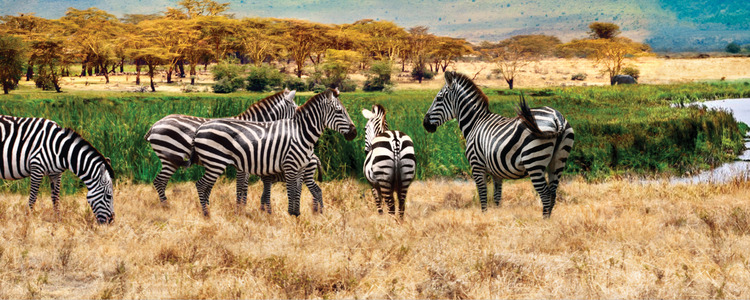
6-Day Kenya Safari from Nairobi | Amboseli, Nakuru & Maasai Mara
Explore three of Kenya’s most spectacular safari destinations on a 6-Day Kenya Safari from Nairobi. Discover Amboseli’s famous elephants and Mount Kilimanjaro views, encounter rhinos and diverse wildlife at Lake Nakuru, and finish in the Maasai Mara with exciting game drives across its iconic savannahs.
From 1,630 USD
View Package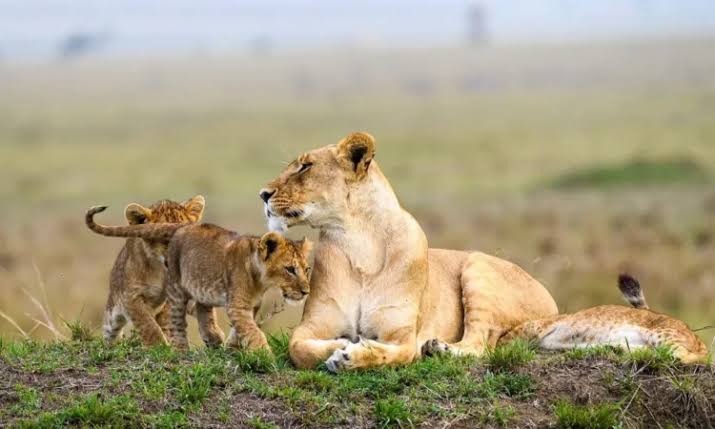
7-Day Kenya Classic Safari from Nairobi | Amboseli, Nakuru & Maasai Mara
Discover Kenya's iconic wildlife and landscapes on a 7-Day Kenya Classic Safari from Nairobi, combining Amboseli National Park, Lake Nakuru and the Maasai Mara. Enjoy extended game drives, encounter elephants, rhinos and big cats, and experience some of Kenya's most scenic safari destinations at a relaxed pace.
From 1,980 USD
View Package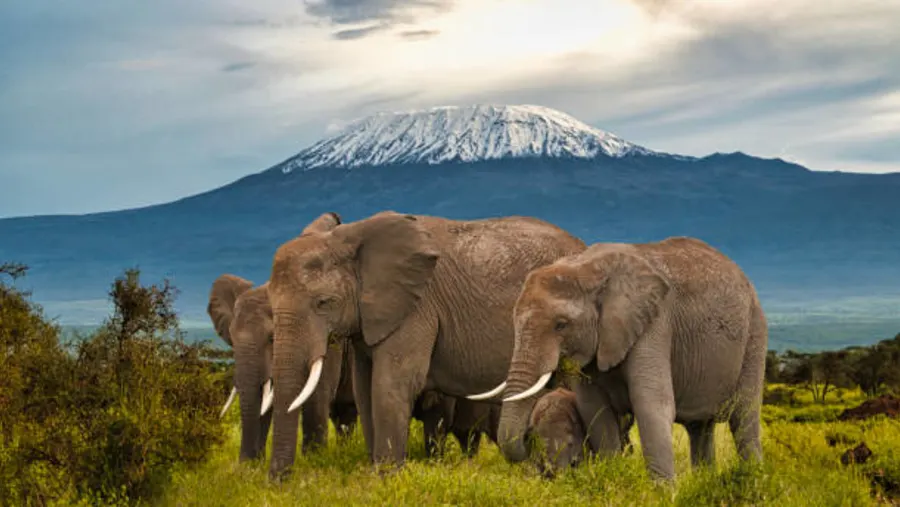
4-Day Amboseli Luxury Safari for UK Couples | Kenya Safari
Experience an unforgettable 4-day Amboseli National Park luxury safari for UK couples, combining elegant accommodation, private game drives, breathtaking African landscapes and exceptional wildlife encounters. This carefully designed Kenya safari is ideal for couples seeking a romantic and comfortable escape into the Amboseli, with opportunities to see the Big Five, enjoy spectacular sunsets, and the ebautiful views of Mt Kilimanjaro.
https://www.malasoafricasafaris.com/blog/kenya-safari-packages-for-uk-couples--romantic-safaris
From 1,604 USD
View Package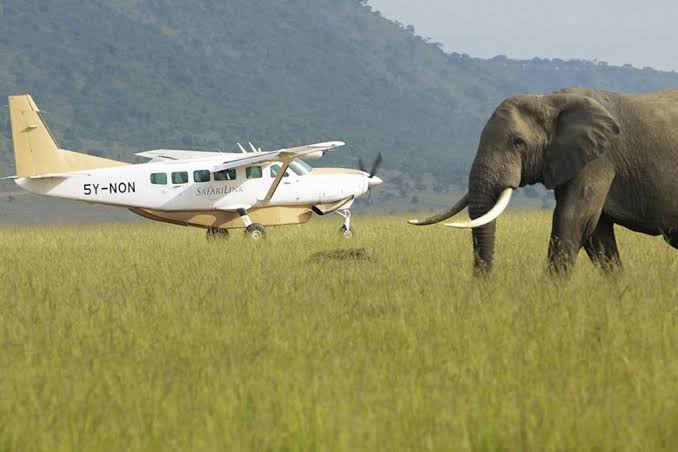
3 Days Amboseli Fly-In Safari | Luxury Kenya Safari
Save time and enjoy a more comfortable journey with a 3-day fly-in Amboseli safari from Nairobi. Fly directly into the Amboseli area and spend more time experiencing the park's elephants, wildlife and spectacular Mount Kilimanjaro scenery.
Amboseli National Park; https://www.malasoafricasafaris.com/destination/amboseli-national-park-the-land-of-giants
Amboseli Safari for Couples; https://www.malasoafricasafaris.com/package/category/Amboseli-National-Park-Packages
Oilepo Safari Lodge Amboseli; https://www.malasoafricasafaris.com/hotel/oilepo-amboseli-safari-lodge-tented-chalets-family-cottages-facilities--kilimanjaro-views
Elephant Gorge Camp Amboseli; https://www.malasoafricasafaris.com/hotel/elephant-gorge-camp-luxury-safari-camp-in-amboseli-national-park-with-mount-kilimanjaro-views
From 1,750 USD
View Package