Amboseli National Park Guide: Everything You Need to Know for Your Safari
Amboseli National Park Guide: Everything You Need to Know for Your Safari
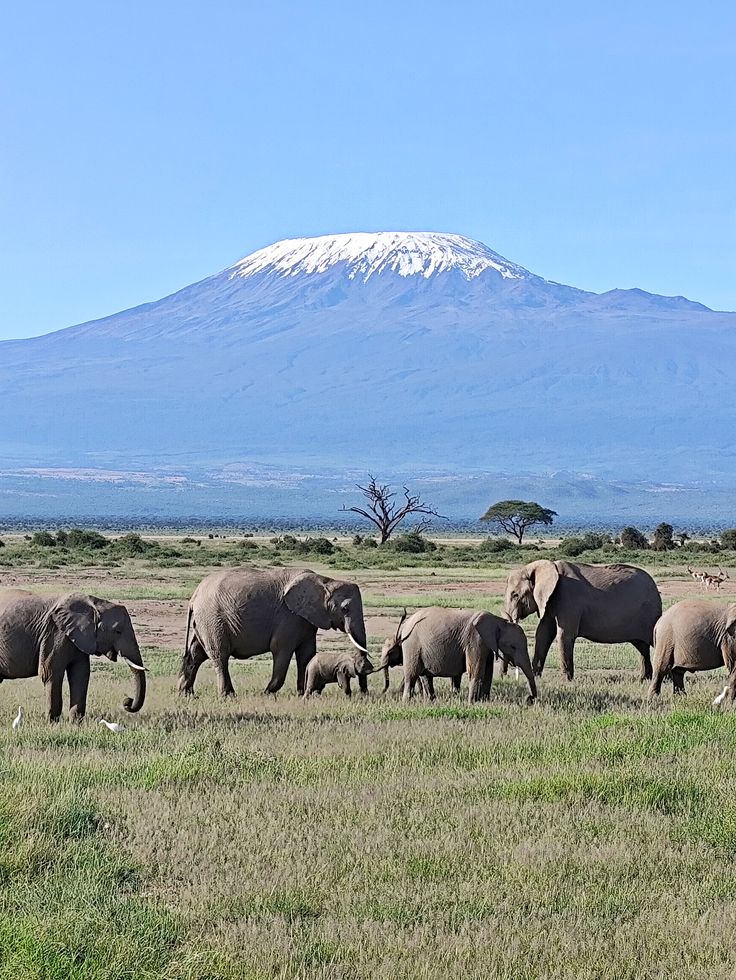
Amboseli National Park is world-renowned as the best place in Africa to view free-ranging elephant herds against the iconic, snow-capped backdrop of Mount Kilimanjaro. Whether you are planning your first safari or returning to the wild, this guide covers the essential questions to help you prepare for an unforgettable journey.
Can you see Mount Kilimanjaro from Amboseli?
Yes, absolutely. Amboseli is famous for offering some of the most spectacular views of Mount Kilimanjaro, Africa’s highest peak. Because the park is located right at the foot of the mountain, you get a front-row seat to the iconic view, especially from Observation Hill, which provides a panoramic outlook over the swamps and plains below.
Does Amboseli National Park have the Big Five?
Amboseli is home to four of the "Big Five" animals. While you can easily spot elephants, lions, leopards, and buffaloes, the park does not currently host rhinos.
Elephants: The park’s main attraction; you will find large, well-studied herds roaming the plains.
Lions: Often spotted in the early morning or late evening.
Buffaloes: Frequently seen cooling off in the swampy areas.
Leopards: These are elusive and shy, so spotting one requires a sharp eye and a skilled guide.
What is unique about Amboseli National Park?
Beyond its dramatic scenery and elephants, Amboseli is unique for its diverse ecosystems, including marshlands that attract incredible wildlife year-round. The park’s wide-open skies and low light pollution make it a fantastic destination for photography and stargazing (astro-tourism). It is also deeply connected to the local Maasai culture, offering a unique opportunity to experience a blend of wildlife conservation and traditional heritage.
What other animals can you see in Amboseli?
While the elephants steal the show, Amboseli is home to over 50 species of mammals and 400 species of birds. Keep your binoculars ready for:
Herbivores: Zebras, wildebeests, Masai giraffes, impalas, and gazelles.
Predators: Cheetahs, spotted hyenas, and jackals.
Birds: Pelicans, kingfishers, hamerkops, and 47 different species of raptors.
Is Amboseli safe to visit?
Yes, Amboseli is considered a safe destination for tourists. The park is professionally managed, and incidents involving wildlife are very rare when guests follow standard safety protocols.
Safety Tip: Always listen to your guide, stay inside your vehicle during game drives, and maintain a respectful distance from wildlife.
Health Tip: Consult your doctor regarding malaria prevention and ensure you have up-to-date vaccinations like Yellow Fever and Typhoid before you travel.
Essential Amboseli National Park Rules
To protect the fragile ecosystem and ensure the safety of both visitors and animals, please adhere to these key regulations:
Park Hours: The park is open from 6:00 AM to 6:00 PM; no night driving is permitted unless authorized.
Stay on Tracks: Off-road driving is strictly prohibited to prevent habitat damage.
Distance: Maintain a minimum distance of 25 meters from wildlife; keep at least 100 meters away from elephant herds.
No Noise: Avoid shouting, honking, or playing loud music, as this agitates the animals.
Leave No Trace: Do not litter or remove any items (bones, feathers, rocks) from the park.
Pro-Tips for Your Visit
Pack Accordingly: Bring a high-quality camera with a telephoto lens, binoculars, and layers of clothing for cool mornings and hot afternoons.
Use a 4x4: The roads can be dusty and uneven; a 4x4 vehicle is highly recommended for a comfortable experience.
Book a Guide: Having an experienced driver-guide is the best way to spot wildlife and ensure you stay within park regulations.
Are you ready to explore Amboseli Np? reach out to us today and ket us plan an unforgettable safari experience.