Does 1.5 Million Animals Move as One Herd During The Wildbeest Migration?
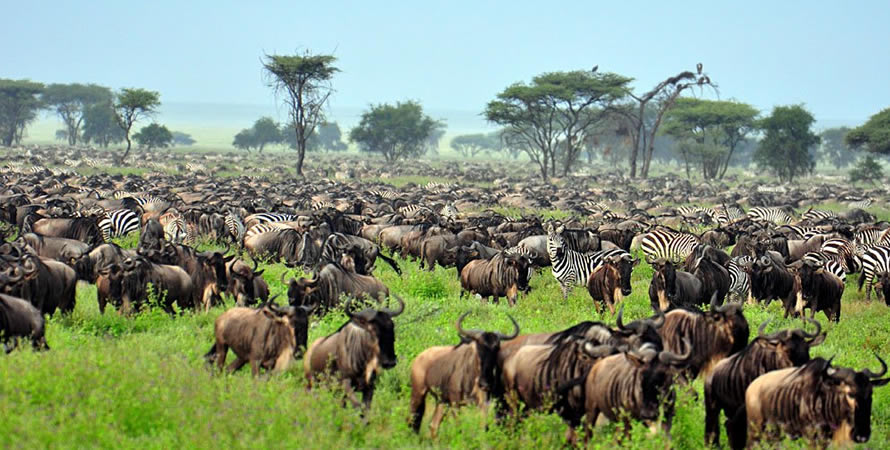
One of the most common misconceptions about the Great Wildebeest Migration is that 1.5 million animals travel together in one single, massive, synchronized line. If you are planning your dream safari, it is important to understand that the reality of the migration is much more fluid and fascinating than that.
The Reality: A Dynamic Network of Groups
The migration is not a single, giant herd, but rather a vast network of smaller, independent groups spread across the Serengeti-Mara ecosystem. Here is why the "one massive herd" myth doesn't hold up:
Environmental Patchiness: The animals move primarily to track localized rainfall and the growth of fresh grazing, which rarely occurs uniformly across the entire ecosystem.
Fluid Movement: Groups are dynamic; they constantly split, merge, or change direction based on immediate environmental conditions or the presence of predators.
Resource Management: With a population of 1.5 million, the animals must disperse to prevent overgrazing any single area, which is a critical survival strategy for the species.
Why This Matters for Your Safari
Understanding that the herds are spread out helps you manage your expectations. It explains why one group might be enjoying fresh grass in the Southern Serengeti while another is braving a river crossing in the north.
Because the migration is a complex, decentralized movement, local knowledge is your best asset. At Malaso Africa Safaris, we use real-time tracking and years of experience to help our guests find the most active herds, ensuring you don't waste your time looking for a "single giant herd" that doesn't actually exist.
Ready to Experience the True Migration?
The beauty of the migration lies in its unpredictability and its scale. Whether you are looking for the intimacy of the calving season or the high-stakes drama of the river crossings, we are here to help you navigate the landscape.
[Contact us today to book your bespoke safari experience with Malaso Africa Safaris.]