Best Places to Stay in Masai Mara to Experience the Great Wildebeest Migration
Best Places to Stay in Masai Mara to Experience the Great Wildebeest Migration
Choosing the right place to stay in the Masai Mara can make or break your migration experience. Below is a concise, search-optimized guide to the best accommodation options by style, location tips for migration viewing, safety and comfort considerations, cost ranges, and how to book.
Top accommodation types for the migration
- Mobile tented camps: Move with the herds, offer front-row migration access, authentic safari feel.
- Permanent luxury tented camps/lodges: High comfort, great guides and vehicles, good river/viewing access.
- Mid-range lodges/camps: Balanced comfort and value, often close to main migration corridors.
- Budget camps & community-run campsites: Economical, community-supported, suitable for travelers prioritizing cost and local impact.
Best areas to stay in the Masai Mara for migration viewing
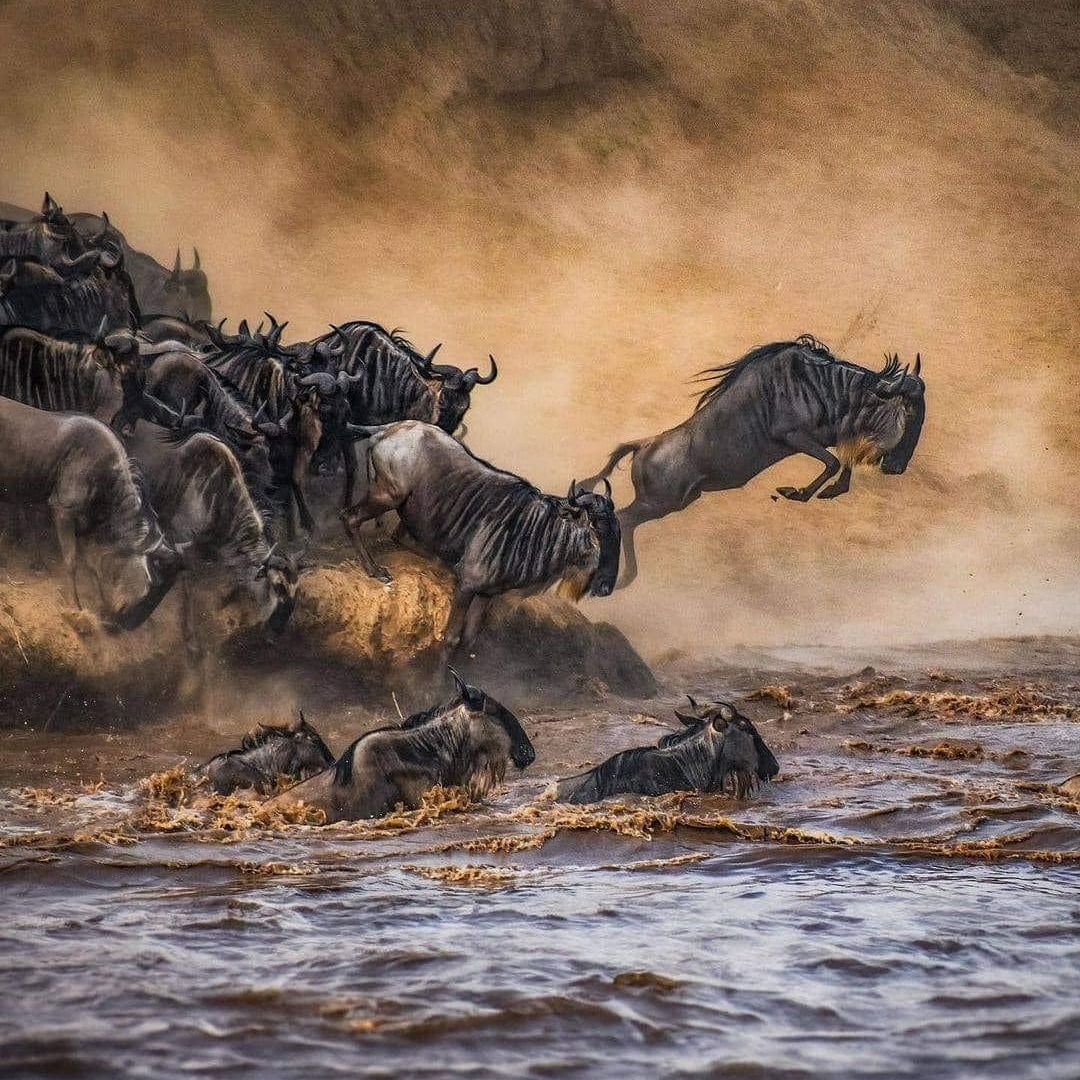
- Mara River & riverine sections: Highest chance of witnessing dramatic river crossings and crocodile activity.
- Mara Triangle (southwest): Quieter, excellent river viewpoints, often better game vehicle access.
- Talek River & Musiara Marsh: Frequent crossing points and strong predator-prey action.
- Olare Motorogi / Naboisho conservancies: Fewer vehicles, excellent wildlife density, close-up predator viewing.
- Northern corridor near the Talek-Mara border: Good access for early/late migration movements.
Recommended picks by budget
Luxury
- Riverside luxury lodges tented camps near the Mara River like Mara Serena Safari Lodge, Mara River Camp, & Sarova Mara
- High-end lodges like Porini Lion Camp, Basecamp Wilderness in conservancies have exclusive concessions and longer game drive times.
Mid-range
- Comfortable tented camps/lodges along Talek River like Olkinyei Mara Tented Camp, Mara Simba Lodge & PrideInn Mara Camp or near Musiara Marsh — good value, reliable game viewing.
Budget
- Community camps, basic tented camps(Lenchada, Sankale, Rhino tourist, etc) and mobile camping safaris that focus on access rather than luxury.
What to look for when choosing a place
- Proximity to likely crossing points (Mara River, Talek, Musiara).
- Use of local scouts and real-time migration tracking.
- Vehicle-to-guest ratio and guide experience.
- Conservation and community engagement (support local conservancies).
- Flexibility (ability to reposition if herds move).
- Safety standards and emergency procedures.
Safety, comfort & wildlife etiquette
- Follow guides’ instructions; never leave vehicles unsupervised near crossings.
- Choose accommodations with clear wildlife protocols and reliable communications.
- Respect quiet hours and distance rules to avoid disturbing animals.
Typical price indicators (per person per night, approximate)
- Budget camps: USD 60–200
- Mid-range lodges/camps: USD 200–500
- Luxury lodges/mobile camps: USD 500–2,000+
Prices vary by season (peak Jul–Oct higher), inclusions (meals, park fees, transfers), and group vs. private bookings.
Booking tips
- Book early for July–October; popular camps fill fast.
- Allow 3–5+ nights to raise chances of seeing crossings.
- Ask providers about migration tracking, vehicle availability, and lodge/conservancy concessions.
- Confirm what’s included (park fees, transfers, balloon safaris, gratuities).
- Request sample daily itineraries and contingency plans if herds move.
Sustainable stays & community impact
- Prefer camps that pay conservancy fees, hire local staff, and contribute to community projects.
- Look for eco-certifications or transparent conservation reporting.
Want tailored accommodation options for the migration in Masai Mara? Malaso Africa Safaris can match your budget and migration goals, provide live migration intel, and arrange safe, conservation-minded stays. Share your travel dates and style (budget, mid-range, luxury) and I’ll prepare 2–3 recommended options with sample quotes.