Witness the Great Wildebeest Migration — When to Go, Where to Watch, Safety, Cost & How to Book with Malaso Africa Safaris
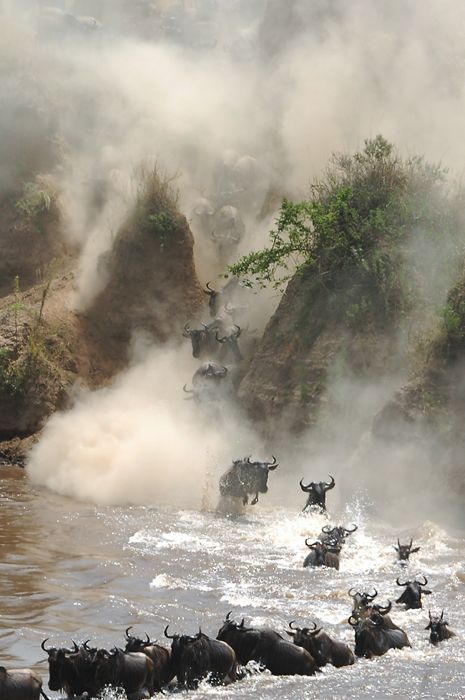
The Great Wildebeest Migration is one of nature’s most dramatic wildlife events — over a million ungulates moving across Tanzania and Kenya in search of fresh grazing. If you’re planning a migration safari, here’s a practical, lightly promotional guide that answers common questions and helps you decide whether to book with Malaso Africa Safaris.
1) When is the best time to see the Great Migration?
- Best months (general): July–October — peak Masai Mara season when herds and river crossings are most likely in Kenya.
- Other windows: December–March for calving in the southern Serengeti; May–July for northern Serengeti to Mara movement beginning.
- Note: Timing varies year to year with rainfall and grazing; plan a trip around the July–October window for the highest chance in Kenya.
2) Can you predict exactly when the river crossing will happen, and where’s the best place to view it in Kenya?
- Predicability: You cannot predict exact crossing dates. Crossings depend on herd movements, river conditions, and predator behavior. Operators monitor real-time tracking and local reports to increase chances.
- Best viewing areas in Kenya: Masai Mara National Reserve — key areas include the Mara River, Talek River, and viewpoints near the riverbanks and hippo pools. Popular sections: upstream Mara Triangle, Crocodile River bends, and riverside plains near Musiara Marsh.
- Tip: Choose an operator (like Malaso Africa Safaris) that uses local scouts and flexible itineraries to follow herd movements and position you where crossings are most likely.
3) Is it safe to watch the river crossing?
- Generally safe when you follow park rules and stay with experienced guides. Risks stem from wildlife unpredictability (crocodiles, stampedes) and rough terrain.
- Safety measures: stay inside vehicles unless in designated areas, keep distance, follow guide instructions, avoid getting between animals or water edges, and use established viewing points.
- A reputable guide mitigates risk with knowledge of animal behavior and safe vantage points.
4) How much does a migration safari cost?
- Price range (per person, approximate):
- Budget camping group safari: USD 100–300 per person per day.
- Mid-range mobile/comfort camps: USD 300–700 per person per day.
- Luxury lodges/camp private safaris: USD 700–2,000+ per person per day.
- Typical package: 3–7 days focused on the Masai Mara during July–October. Expect higher rates during peak season and for private guides, hot-air ballooning, or bespoke services.
- What affects cost: accommodation level, group size, vehicle type, park fees, included meals, transfers (Nairobi flights vs. road), and additional activities.
5) How can I book a migration safari?
- Steps to book:
1. Decide travel window (aim July–October for Kenya).
2. Choose style: budget camping, comfort lodge, or luxury mobile camp.
3. Contact shortlisted operators for availability, sample itineraries, and real-time migration intel.
4. Confirm inclusions (park fees, transfers, meals, guide, insurance, taxes) and exclusions (tips, drinks, visas).
5. Pay deposit and provide traveler details; get written confirmation and cancellation policy.
6. Prepare: visas, vaccinations, travel insurance, packing list.
- Booking with Malaso Africa Safaris: We offer tailored migration itineraries, local scouts, and flexible departure dates to maximize crossing chances while respecting safety and conservation. Contact us for current availability, live migration updates, and a detailed quote.
Final tips
- Book early for July–October — camps and lodges fill quickly.
- Allow flexibility in your itinerary (extra days increase chance of seeing crossings).
- Combine Kenya and northern Serengeti options if you want the broadest migration experience.