
Fascinating Facts About the Wildebeest: Africa's Iconic Migrator
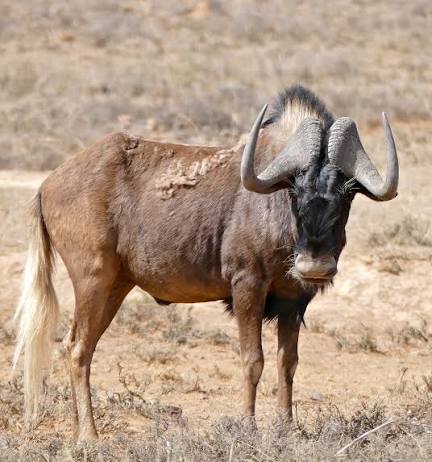
The wildebeest (Connochaetes), often referred to as the gnu, is one of the most remarkable animals in the African savanna. While they are famous for their role in the Great Migration, their biology and behavior are filled with surprising traits. Here are some essential facts about these incredible creatures.
Biological and Behavioral Insights
A "Design by Committee" Appearance: Often described as looking like they were assembled from spare parts, wildebeests have the shoulders of a buffalo, the mane of a horse, and the hindquarters of an antelope.
Vocal Communication: Their name, "gnu," comes from the Khoikhoi word for the sound they make—a distinct, nasal "gnoo" call used for communication within the herd.
Precocial Offspring: Wildebeest calves are incredibly resilient; they are able to stand within minutes of being born and can keep up with the herd within just a few hours. This is a vital evolutionary adaptation to avoid being targeted by predators.
Constant Travelers: They are "obligate grazers," meaning they must keep moving to find enough grass to sustain their high metabolic needs.
The Role of Predators
Wildebeests are the primary food source for many of Africa’s large carnivores. Their survival strategy is built around safety in numbers. By congregating in massive herds, they increase the likelihood of early predator detection and overwhelm predators with the sheer number of potential targets.
Frequently Asked Questions (FAQ)
Are wildebeests and gnus the same animal? Yes, they are the same animal. "Wildebeest" is a name derived from Dutch meaning "wild beast," while "gnu" is an onomatopoeic term derived from the sound they make.
Understanding the Ecosystem
The wildebeest is considered a "keystone species" in the Serengeti-Mara ecosystem. Their grazing habits directly shape the landscape, stimulating grass growth and providing nutrients for various other species. Understanding their life cycle is key to understanding the health of the entire savanna.