When Is the Best Time to See the Great Wildebeest Migration?
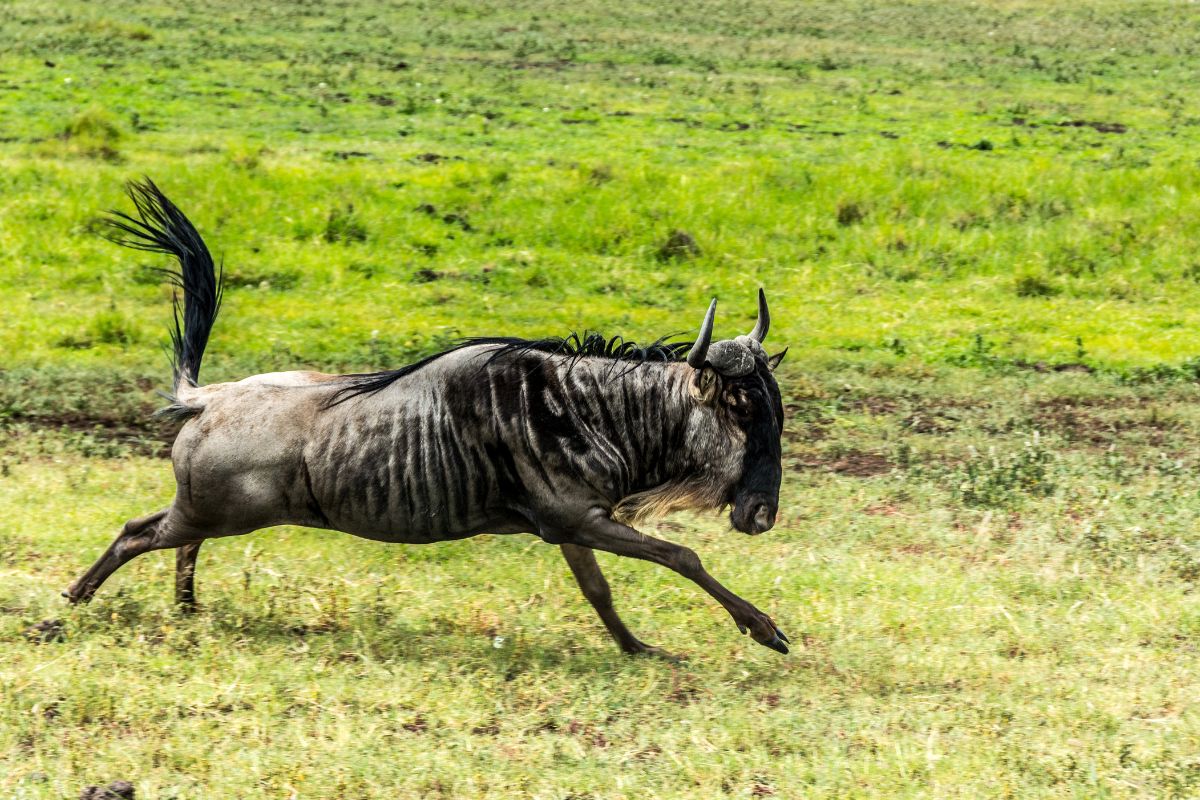
The Great Wildebeest Migration is not a single, static event, but a continuous, year-round cycle driven by the search for fresh grazing and water across the Serengeti-Mara ecosystem. While many travelers specifically aim for the dramatic river crossings in the Masai Mara between July and October, the calving season in the southern plains from January to March offers an equally spectacular and more intimate wildlife experience.
The Annual Migration Calendar
The migration is a fluid movement, and the herds' exact location changes based on annual rainfall patterns. This table provides a general guide to help you plan your safari timing.
| Months | General Location | Wildlife Highlight |
| Jan – March | Ndutu & Southern Serengeti | Calving season; high predator activity. |
| April – May | Central & Western Serengeti | The "long rains"; herds move northwards. |
| June – July | Grumeti & Western Corridor | The first river crossings; rutting season. |
| July – October | Masai Mara (Kenya) & Northern Serengeti | The dramatic Mara River crossings. |
| Nov – December | Return to Southern Serengeti | The herds move south to prepare for calving. |
Understanding the Seasonal Phases
To truly understand the migration, it helps to break it down into its key ecological phases:
The Calving Season (January–March): During these months, over 500,000 calves are born in the southern Serengeti and the Ndutu area. This abundance of vulnerable young animals attracts high concentrations of predators, offering some of the best big cat viewing opportunities of the year.
The Northern Trek (May–June): As the southern plains dry out, the herds begin their long trek northward. This is a time of transition, where the mass of animals moves through the Western Corridor and the Grumeti River, often facing the first of many aquatic obstacles.
The Peak Season (July–October): This is the period most requested by travelers. The herds reach the Masai Mara and the northern Serengeti. This phase is defined by the high-stakes drama of the Mara River crossings, where wildebeest navigate treacherous waters filled with Nile crocodiles.
The Southern Return (November–December): Driven by the short rains, the herds begin their journey back toward the southern Serengeti, completing the circuit to prepare for the next cycle of life.
Managing Expectations: The Reality of Nature
As a professional in the safari industry, I believe it is crucial to be transparent: the migration is inherently unpredictable.
Nature does not adhere to a rigid calendar. Variations in rainfall can cause the herds to move faster or slower than expected, or even stay in one area longer than historical averages suggest. While our experience and local knowledge at Malaso Africa Safaris allow us to track movement patterns closely, no operator can "guarantee" a river crossing on a specific date.
Embracing this unpredictability is part of the magic of a safari—your journey will be unique, regardless of where the herds happen to be on your specific travel dates.
Frequently Asked Questions (FAQ)
Is the Great Wildebeest Migration guaranteed?
No. The migration is a natural phenomenon dictated by weather and rainfall. While the herds follow a general annual cycle, their exact location is never guaranteed for specific dates. It is best to remain flexible and trust in the expertise of your safari guide.
Ready to Plan Your Adventure?
Whether you are dreaming of witnessing the birth of calves in the south or the pulse-pounding action of a Mara River crossing, Malaso Africa Safaris is here to curate a seamless experience.
[Contact us today to start planning your bespoke safari adventure.]