Botswana Safari Guide 2026: Best Parks, Costs, Wildlife, Best Time & Itineraries
Plan a Botswana safari with this complete 2026 guide to the Okavango Delta, Chobe, Moremi and Central Kalahari, including wildlife, costs, seasons and safari activities.
Botswana is one of Africa's most distinctive safari destinations, combining vast wilderness areas, seasonal wetlands, desert landscapes, productive wildlife habitats and relatively low-density tourism. The country has a substantial proportion of its land dedicated to national parks, game reserves and wildlife management areas, helping maintain large landscapes where wildlife can move relatively freely.
For travellers, Botswana is not simply one safari destination. It is a collection of very different ecosystems. The Okavango Delta offers waterways, lagoons, islands and mokoro excursions; Chobe National Park is renowned for its elephants and river-based wildlife viewing; Moremi Game Reserve combines permanent and seasonal wetlands with dry woodland; while the Central Kalahari Game Reserve provides a very different experience of open, remote Kalahari wilderness.
This diversity makes Botswana particularly appealing to travellers who want more than conventional game drives.
Why Choose Botswana for a Safari?
Botswana's biggest advantage is the diversity of its wilderness.
The country contains major conservation areas including the Okavango Delta, Moremi Game Reserve, Chobe National Park, Central Kalahari Game Reserve, Makgadikgadi Pans and Nxai Pan.
The northern safari circuit is especially attractive for wildlife enthusiasts because water availability creates highly productive habitats. The Okavango Delta, for example, transforms large areas of the Kalahari landscape into a network of channels, floodplains, lagoons and islands.
Botswana is also important for the conservation of species such as African wild dogs, cheetahs, brown hyenas and several rare bird species.
Another major attraction is the contrast between destinations. A single Botswana safari can combine:
- Traditional 4x4 game drives
- Mokoro excursions
- Boat safaris
- Walking experiences
- Birdwatching
- Night wildlife activities where permitted
- Cultural experiences
- Desert landscapes
- Wetland ecosystems
- Luxury tented camps
That variety is one reason Botswana works particularly well for multi-destination safaris.
How Much Does a Botswana Safari Cost?
Botswana is generally positioned toward the mid-range to luxury end of the African safari market, although budget camping and other lower-cost options do exist.
The final price depends on several factors:
- Number of safari days
- Accommodation category
- Private or shared activities
- Domestic flights
- Season
- National park or concession visited
- Road transfers
- Number of destinations
- Type of safari vehicle
- Meals and drinks included
- Additional activities
Luxury fly-in safaris in remote areas can cost considerably more than camping or road-based itineraries.
Rather than judging Botswana purely by the daily price, travellers should compare what is included. A seemingly cheaper safari may exclude flights, park fees, transfers or activities that another package includes.
For an accurate quotation, safari dates, number of travellers, accommodation level and preferred destinations should be considered together.
Best Time to Visit Botswana for Safari
Botswana can be visited throughout the year, but the experience changes considerably between the dry and wet seasons. Botswana Tourism Organisation describes the country as an all-year destination with distinct green and dry-season experiences.
April to October: Dry Season
The dry season is generally considered one of the strongest periods for wildlife viewing.
As natural water sources become more limited, animals can concentrate around remaining water sources. Vegetation also becomes less dense, making wildlife easier to spot in many areas.
The Okavango Delta is particularly interesting because its flood cycle does not simply follow local rainfall. Water arriving from the Angolan highlands moves into Botswana and can create major flooding in the Delta during the dry months.
This creates one of Botswana's most unusual safari characteristics: the country's dry season can coincide with important flooding in the Okavango Delta.
November to March: Green Season
The summer months bring rainfall, higher temperatures and greener landscapes.
The wet season can be excellent for birdwatching because migratory birds arrive, while many plains animals give birth during this period. Botswana Tourism Organisation also notes that the availability of young animals can create favourable conditions for predator sightings.
The disadvantage is that thicker vegetation can sometimes make wildlife more difficult to spot.
Quick answer
Best overall period for a first Botswana safari: April–October.
Best period for green landscapes and birding: November–March.
Best period for combining dry-season wildlife viewing with the Okavango flood experience: generally June–October, although exact conditions vary annually.
Botswana Weather and Climate
Botswana has a predominantly semi-arid climate, with hot summers and a distinct rainy period. Rainfall is often highly variable, meaning one location can receive a significant shower while another nearby area remains dry.
Summer
November to March generally brings higher temperatures and rainfall.
January and February are among the wetter months, while temperatures can become very high before rainfall provides temporary relief.
Winter
May to August is generally dry, with sunny days and considerably cooler nights.
Early mornings and nights can become surprisingly cold, particularly in the drier southwestern areas. Travellers going on early game drives should therefore pack warm layers even when daytime temperatures are comfortable.
September and October
These transitional months can be hot and dry, with temperatures increasing before the arrival of the summer rains.
Botswana Wildlife: What Can You See?
Botswana supports a remarkable variety of wildlife across its wetlands, grasslands, woodlands and desert environments.
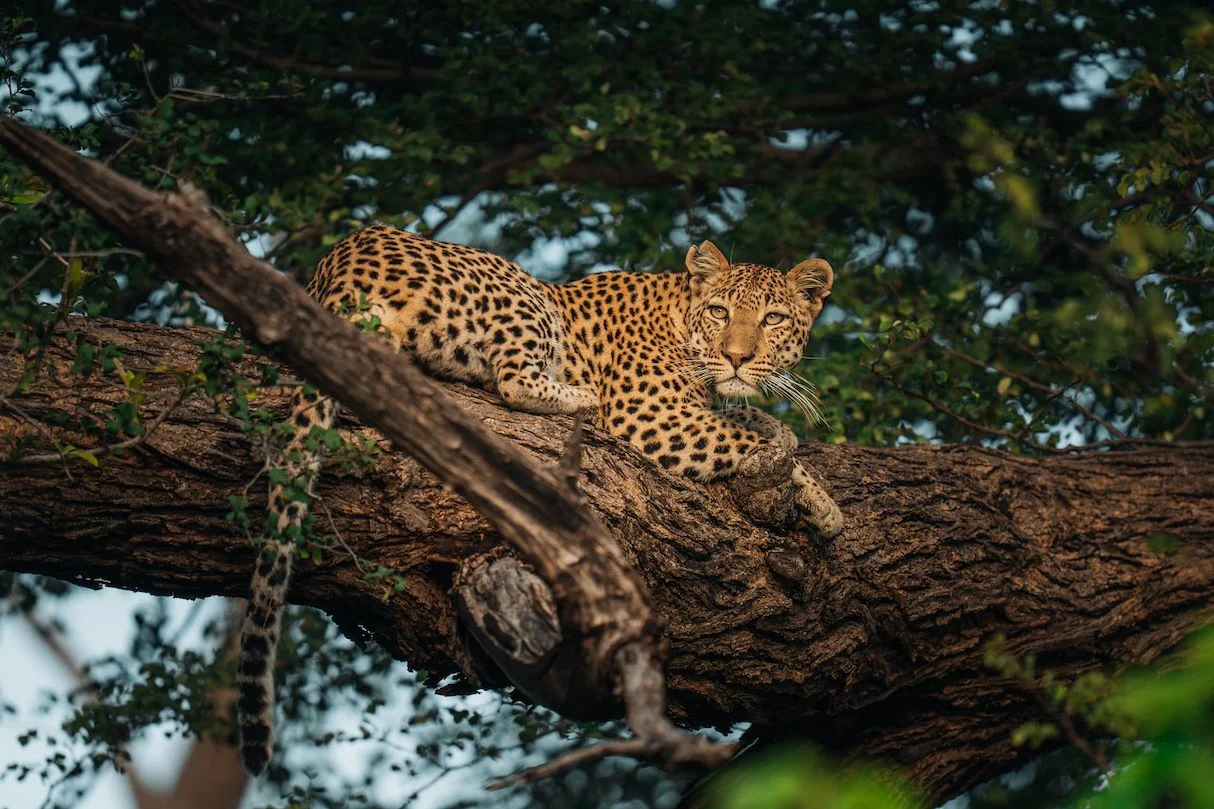
Commonly encountered species include: African elephant, Lion, Leopard,Cheetah, Buffalo, Giraffe, Zebra, Hippopotamus, Crocodile Wildebeest, Impala, Kudu, Sable, Roan, Tsessebe & Wild dog
The Okavango Delta alone supports a highly diverse collection of mammals, birds, reptiles and plant species. Botswana Tourism Organisation records species including elephant, buffalo, giraffe, zebra, hippo, crocodile, rhino, red lechwe, lion, leopard, cheetah and several antelope species in the Delta region.
Can You See the Big Five in Botswana?
Yes, Big Five wildlife can be found in Botswana, although sightings of individual species are never guaranteed.
Moremi has become a Big Five destination following rhino reintroductions, while the wider Okavango ecosystem supports elephants, buffaloes, lions and leopards.
For travellers specifically prioritising rhino sightings, it is important to select the destination and safari area carefully rather than assuming every part of Botswana offers the same probability of seeing every Big Five species.
Best Botswana Safari Destinations
1. Okavango Delta
The Okavango Delta is arguably Botswana's most famous safari destination.
It is a vast inland delta fed by the Okavango River, with channels, lagoons, floodplains, islands and dryland areas. The Delta changes considerably according to water levels and seasonal flooding.
The main experiences include:
- Game drives
- Mokoro excursions
- Boat trips
- Birdwatching
- Walking activities in appropriate areas
- Sundowners
- Wilderness dining
A mokoro trip is particularly associated with the Delta. Travelling through narrow waterways in a traditional dugout canoe provides a completely different perspective from a conventional 4x4 safari.
Best for: Wetland scenery, water-based activities, luxury safaris, birding and diverse wildlife.
2. Moremi Game Reserve
Moremi Game Reserve occupies parts of the central and eastern Okavango region and combines floodplains, lagoons, woodland, grassland and waterways.
The reserve covers approximately 3,900 square kilometres and includes areas such as Chief's Island and the Moremi Tongue.
Its ecological diversity makes it one of Botswana's strongest destinations for combining different safari experiences.
Moremi is particularly relevant to travellers interested in:
- Big Five wildlife
- Game drives
- Birdwatching
- Wetland scenery
- Self-drive and camping experiences
- Combining the Okavango region with Chobe
Best for: First-time safari visitors wanting a combination of wildlife and varied landscapes.
3. Chobe National Park
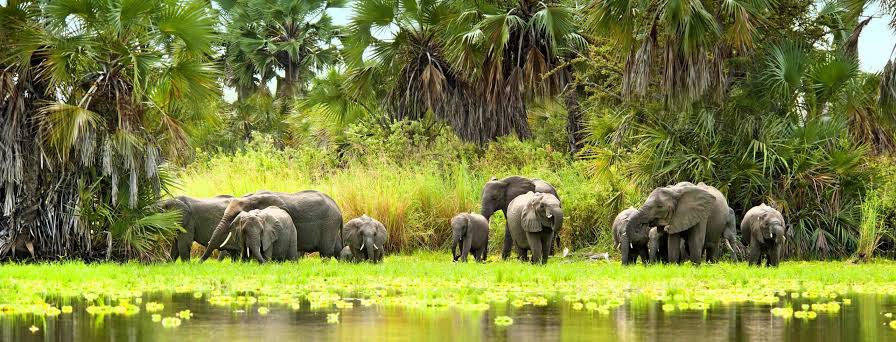
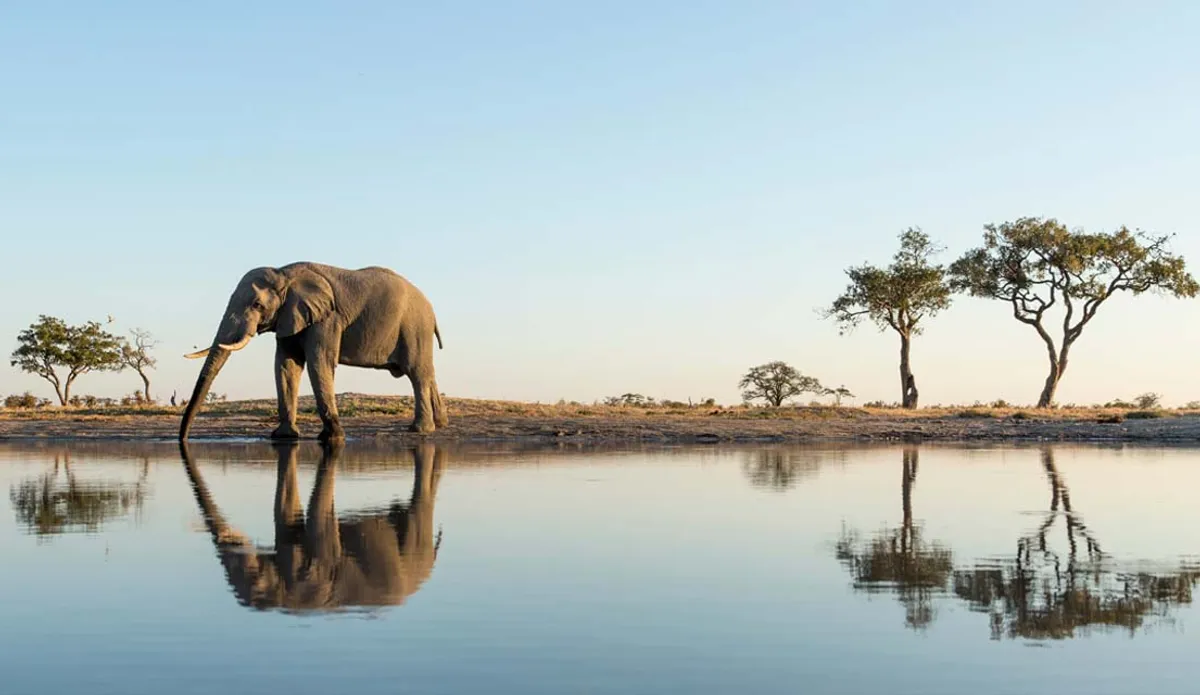
Chobe National Park is located in northern Botswana and is particularly famous for its large elephant population. Botswana Tourism Organisation describes Chobe as one of the country's most wildlife-rich destinations.
The Chobe River is central to the safari experience, particularly during the dry season when wildlife is drawn toward available water.
Activities can include:
- Game drives
- Boat safaris
- Birdwatching
- Wildlife photography
Kasane provides an important gateway to the Chobe region and is also strategically located for travellers combining Botswana with Victoria Falls in Zimbabwe or Livingstone in Zambia.
Best for: Elephant viewing, river safaris and travellers combining Botswana with Victoria Falls.
4. Central Kalahari Game Reserve
The Central Kalahari provides a completely different safari experience from the Okavango.
Instead of permanent wetlands, visitors encounter expansive Kalahari landscapes and a feeling of remoteness.
Botswana Tourism Organisation describes the Central Kalahari Game Reserve as one of the world's largest game reserves.
The reserve is particularly interesting for travellers who want:
- Remote wilderness
- Desert landscapes
- Predator sightings
- Kalahari-adapted wildlife
- Cultural experiences
- A quieter safari atmosphere
Best for: Adventurous travellers seeking remote, dry-country safari experiences.
5. Makgadikgadi Pans
The Makgadikgadi region offers another major contrast to the Okavango.
The landscape is characterised by enormous salt pans and open spaces, creating a dramatic environment that feels very different from northern Botswana's wetlands.
It can be incorporated into longer Botswana itineraries, particularly for travellers interested in landscapes beyond conventional game-viewing areas.
Best Safari Activities in Botswana
Game Drives
4x4 game drives remain one of the most effective ways to explore Botswana's wildlife areas.
They allow guides to cover larger areas and search for predators, elephants, antelopes and other wildlife.
Mokoro Safaris
Mokoro excursions are one of the signature Okavango Delta experiences.
The traditional canoe allows travellers to move quietly through shallow waterways surrounded by reeds and aquatic vegetation.
Boat Safaris
Boat excursions are particularly relevant in areas with permanent waterways, including parts of the Okavango and Chobe systems.
They offer opportunities to observe hippos, crocodiles, elephants and waterbirds from the water.
Walking Safaris
Walking experiences provide a slower way to understand the smaller details of the ecosystem, including tracks, plants, insects and animal signs.
Availability depends on the specific safari area and operator.
Birdwatching
Botswana is an excellent destination for birders, with resident and migratory species occurring across its wetlands and drylands.
The Okavango region is particularly productive for birdwatching.
Luxury vs Budget Botswana Safaris
Botswana is strongly associated with upmarket safari tourism, particularly in remote areas of the Okavango and private concessions.
Luxury safaris commonly involve:
- Tented luxury camps
- Small guest numbers
- Guided game drives
- Bush dining
- Private or scheduled charter flights
- Water-based activities
- Remote wilderness locations
However, Botswana also has budget guesthouses, camping grounds and other lower-cost accommodation options.
The important distinction is that budget Botswana does not necessarily mean budget access to every remote safari area. Logistics, flights and transfers can significantly affect the overall cost.
How Many Days Do You Need for a Botswana Safari?
For a first visit, 5–7 days can provide a useful introduction to Botswana.
A longer trip of 8–12 days allows travellers to combine several ecosystems.
Example 5-Day Safari
Days 1–2: Okavango Delta
Days 3–4: Moremi
Day 5: Departure
Example 7-Day Safari
Days 1–3: Okavango Delta
Days 4–5: Moremi Game Reserve
Days 6–7: Chobe National Park
Example 10-Day Safari
Days 1–3: Okavango Delta
Days 4–6: Moremi
Days 7–8: Chobe
Days 9–10: Makgadikgadi or another selected wildlife area
The best itinerary depends on the season, access arrangements and whether the traveller prioritises wildlife, wetlands, culture, photography or relaxation.
How Do You Get to Botswana?
For international travellers, Gaborone is Botswana's capital and an important entry point, while Maun and Kasane are particularly important for safari tourism.
Maun is a major gateway for the Okavango region, while Kasane is the principal gateway to Chobe and is also strategically positioned near Victoria Falls. Botswana Tourism Organisation identifies Kasane as a gateway to Chobe as well as nearby Victoria Falls and Livingstone.
For remote safari camps, travellers may need scheduled or chartered light-aircraft transfers from gateway towns or airports.
This is one reason Botswana safari planning differs from a straightforward road safari in destinations where parks are easily accessible by road from major cities.
Where Should You Stay in Botswana?
Botswana offers a broad range of accommodation, from luxury safari camps and lodges to budget guesthouses and camping grounds.
Your choice should depend on the experience you want.
For the Okavango Delta
Choose a camp based on whether you prioritise:
- Water activities
- Game drives
- Luxury
- Photography
- Remote wilderness
- Family travel
For Chobe
Kasane offers a wider range of accommodation and is convenient for travellers who want easier road access and a combination of Chobe and Victoria Falls.
For Moremi
Camps and lodges within or around the reserve provide closer access to the wildlife areas.
For Central Kalahari
Accommodation is more focused on remote safari camps and wilderness experiences.
Botswana Safari Pros and Cons
Advantages
- Exceptional wildlife
- Vast wilderness landscapes
- Excellent elephant viewing
- Unique Okavango Delta ecosystem
- Mokoro and boat safari options
- Strong birdwatching opportunities
- Diverse safari environments
- Remote wilderness experiences
- Excellent luxury safari options
- Easy combination of Chobe and Victoria Falls
Potential Disadvantages
- Luxury safaris can be expensive
- Internal transfers can add significantly to costs
- Some remote camps are not easily accessible by road
- Weather can be extreme
- Wildlife sightings remain unpredictable
- Safari conditions vary considerably between regions and seasons
Is Botswana Good for First-Time Safari Travellers?
Yes.
Botswana is particularly suitable for travellers who want a high-quality wilderness experience rather than a destination focused purely on ticking off animal species.
However, first-time visitors should understand that Botswana's geography makes itinerary planning important.
A traveller expecting to drive between every destination may be surprised by the distances and remote nature of some camps. A properly planned itinerary can combine road transfers, scheduled flights and carefully selected safari areas to create a much smoother experience.
Botswana Safari FAQs
Is Botswana good for safari?
Yes. Botswana has extensive protected wilderness areas, diverse ecosystems and strong wildlife populations, making it one of Africa's leading safari destinations.
What is Botswana best known for?
Botswana is particularly known for the Okavango Delta, large elephant populations, low-density wilderness, Chobe National Park and luxury safari experiences.
What is the best month to visit Botswana?
There is no single best month for every traveller. Generally, April to October offers favourable weather and wildlife-viewing conditions, while the green season from November to March offers lush landscapes and strong birding opportunities.
Is Botswana expensive for safari?
Botswana is generally more expensive than many mass-market safari destinations, particularly for luxury and remote fly-in safaris. However, camping, guesthouses and selected budget options can reduce costs.
Can you see the Big Five in Botswana?
Yes. Big Five species occur in Botswana, although sightings vary by location and season. Moremi, for example, is recognised as a Big Five destination following rhino reintroductions.
Is the Okavango Delta worth visiting?
Yes. The Delta provides a safari environment that combines wetlands, islands, wildlife and water-based experiences such as mokoro excursions and boat trips.
Is Botswana better for luxury or budget safaris?
Botswana is particularly strong for luxury and small-scale wilderness safaris, but budget accommodation and camping options are also available.
Can you combine Botswana with Victoria Falls?
Yes. Kasane and Chobe provide a practical base for combining a Botswana safari with Victoria Falls, depending on the itinerary and border arrangements.
How many days should I spend in Botswana?
A 5–7-day safari can provide a good introduction, while 8–12 days allows travellers to combine multiple ecosystems such as the Okavango, Moremi and Chobe.
What should I pack for a Botswana safari?
Pack lightweight neutral-coloured clothing, comfortable closed shoes, sun protection, a hat, insect repellent, binoculars and warm layers for early mornings and evenings. During the dry season, temperatures can fall sharply at night.
Botswana is best understood as a collection of different safari environments rather than a single wildlife destination. The Okavango Delta delivers exceptional wetland scenery and mokoro experiences; Moremi combines waterways and terrestrial wildlife habitats; Chobe is particularly renowned for elephants and river-based experiences; and the Central Kalahari offers expansive, remote desert-country wilderness.
For a first Botswana safari, the strongest approach is usually to choose two or three complementary destinations rather than trying to cover the entire country. The right combination will depend on your travel dates, budget, preferred accommodation and whether wildlife, photography, water activities or wilderness is your main priority.