Marsabit County: Top Attractions, Safari Guide & The Green Oasis in the Desert
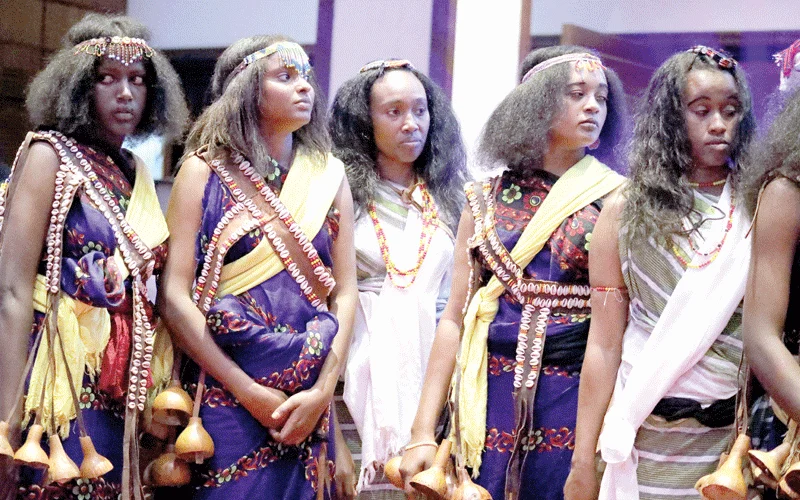
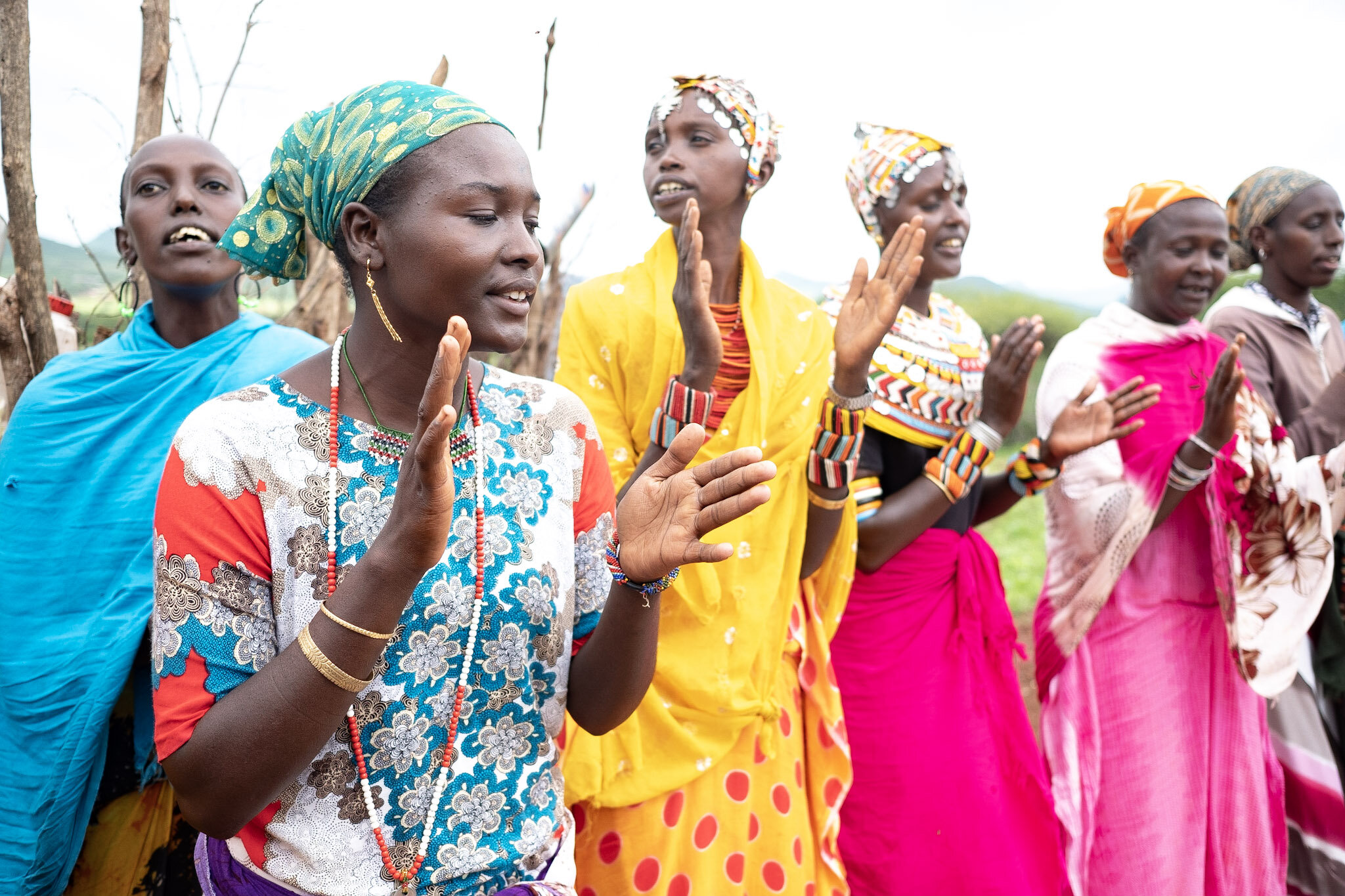
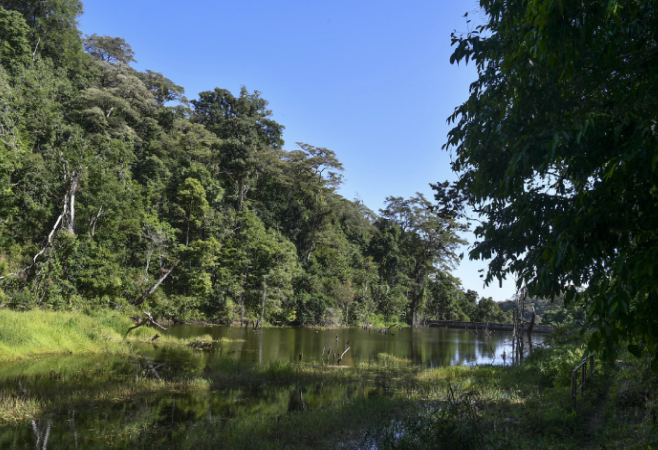
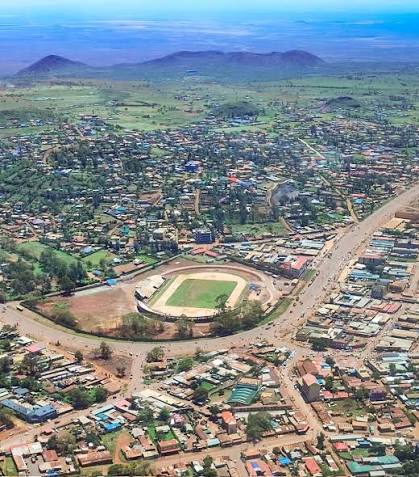
Marsabit County is Kenya's largest county by land mass, stretching across a dramatic, remote landscape in the country's northern frontier. Known historically for its mystique and unexplored wilderness, Marsabit is a land of striking contrasts—featuring barren volcanic lava fields, the shimmering white salt pans of the Chalbi Desert, pre-historic cradle sites, and a lush, mist-shrouded mountain forest that serves as a cool oasis. Blending rugged expedition travel with deep-rooted indigenous cultures, Marsabit is a bucket-list destination for true adventurers.
Marsabit County is Kenya's largest county by land mass, stretching across a dramatic, remote landscape in the country's northern frontier. Known historically for its mystique and unexplored wilderness, Marsabit is a land of striking contrasts—featuring barren volcanic lava fields, the shimmering white salt pans of the Chalbi Desert, pre-historic cradle sites, and a lush, mist-shrouded mountain forest that serves as a cool oasis. Blending rugged expedition travel with deep-rooted indigenous cultures, Marsabit is a bucket-list destination for true adventurers.
1. Marsabit National Park & Reserve
Overview
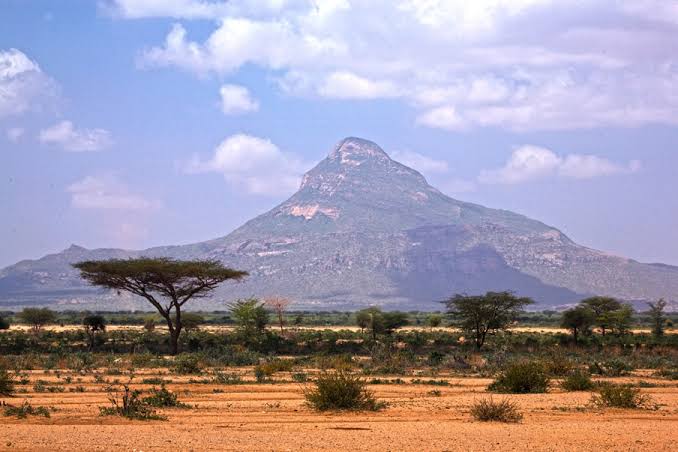
Covering over 1,500 square kilometers, Marsabit National Park and Reserve encompasses an isolated volcanic shield mountain (Mount Marsabit) that rises sharply out of the surrounding semi-arid desert. The mountain's summit captures moisture from overnight desert air, creating a dense, mist-wreathed montane forest ecosystem.
Key Highlights
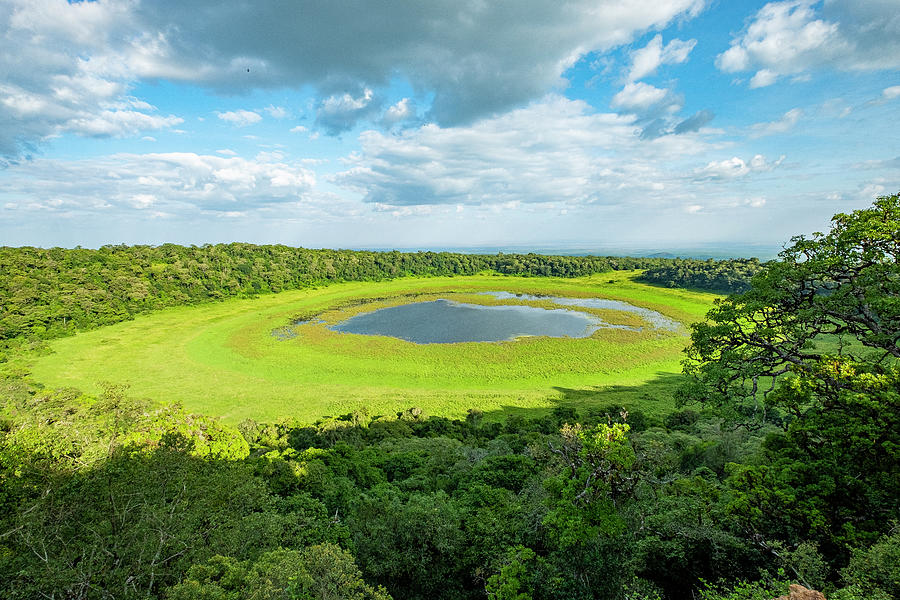
The Crater Lakes ("Gofs"): The park features stunning extinct volcanic calderas, most notably Lake Paradise (Gof Sokorte Guda), which rests at the bottom of a steep forested crater and provides a breathtaking habitat for waterbirds and big game.
Legendary Elephants: Marsabit is historically famous for sheltering magnificent, large-tusked bull elephants, including the legendary "Ahmed" who was placed under special presidential decree protection in the 1970s.
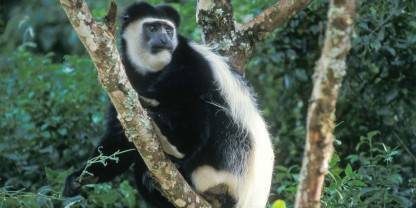
Rich Biodiversity: The park hosts the rare Grevy's zebra, reticulated giraffe, greater and lesser kudu, leopards, lions, and over 350 recorded bird species.
2. The Chalbi Desert & Kalacha Oasis
Overview
Stretching east of Lake Turkana, the Chalbi Desert is Kenya's striking true desert. Characterized by vast flat alkaline plains, wind-blown sand dunes, and mirages, it offers an authentic, rugged desert safari experience.
Highlights & Activities
Kalacha Oasis: A lush, palm-fringed haven that breaks up the stark white desert sands, offering a glimpse into local Gabra pastoralist culture and camel caravans.
Desert Safaris: An ideal landscape for off-road expeditions, camel-back treks, and experiencing untouched wilderness solitude.
3. Loiyangalani & Lake Turkana (Eastern Shore)
Overview
Nestled on the southeastern shores of Lake Turkana, Loiyangalani (meaning "a place of many trees" in the Samburu language) is a desert oasis town surrounded by volcanic stone ridges.
Key Attractions
Desert Museum: Perched on a scenic hilltop overlooking the Jade Sea, this museum highlights the rich traditional heritage, artifacts, and indigenous ways of life of the local northern communities (such as the El Molo, Kenya's smallest tribe).
Lake Turkana Culture Festival: A celebrated annual celebration gathering northern tribes to showcase music, dance, and traditional attire.
4. Sibiloi National Park & Koobi Fora Museum
Overview
Located on the remote northeastern shores of Lake Turkana, Sibiloi National Park is a globally renowned UNESCO World Heritage Site often referred to as the "Cradle of Mankind."
Why It Matters
Tucked within the park is the Koobi Fora Museum and Archaeological Site, where groundbreaking fossil discoveries—including early hominid skulls like Australopithecus and Homo habilis unearthed by the Leakey family—changed our understanding of human evolution. The park also protects petrified forests and significant reptile breeding grounds.
Marsabit County offers an extraordinary frontier expedition combining lush mountain paradises, vast desert dunes, rich wildlife reserves, and the pre-historic origins of human history. Whether you are tracking big tuskers around Lake Paradise, exploring the white expanses of the Chalbi Desert, or standing at the Cradle of Mankind, Marsabit provides an unforgettable off-the-beaten-path journey.