
Nairobi County: Top Attractions, Urban Safaris & Cultural Guide
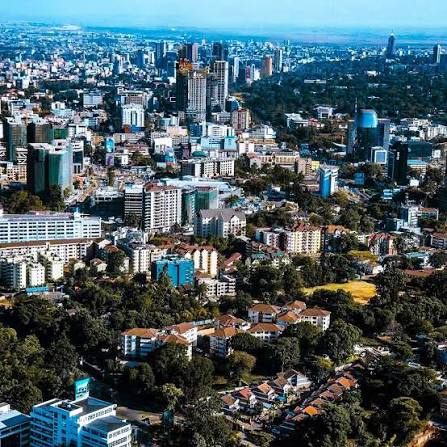
Nairobi County is home to Kenya’s bustling capital and acts as the dynamic heartbeat of East Africa's travel industry. Famously known as the "Green City in the Sun," Nairobi is unique as the only capital city in the world that incorporates a thriving metropolis alongside a wild, expansive national park. Blending modern urban sophistication, rich colonial history, thriving arts, and world-class wildlife sanctuaries on its doorstep, Nairobi is the essential gateway for every traveler exploring Kenya.
Nairobi County is home to Kenya’s bustling capital and acts as the dynamic heartbeat of East Africa's travel industry. Famously known as the "Green City in the Sun," Nairobi is unique as the only capital city in the world that incorporates a thriving metropolis alongside a wild, expansive national park. Blending modern urban sophistication, rich colonial history, thriving arts, and world-class wildlife sanctuaries on its doorstep, Nairobi is the essential gateway for every traveler exploring Kenya.
1. Nairobi National Park & Animal Orphanages
Overview
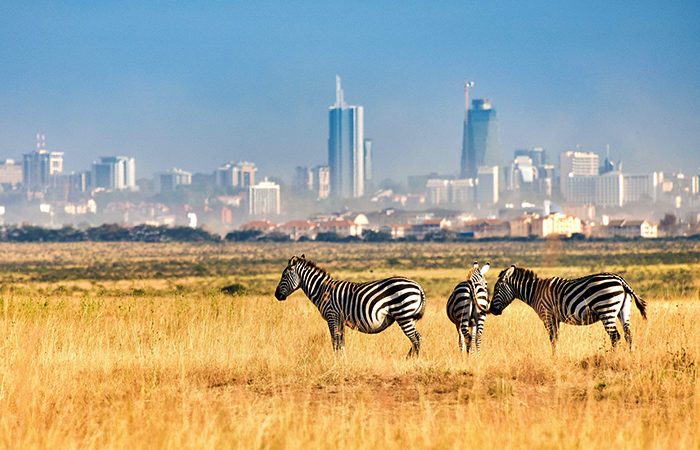
Located just 7 to 10 kilometers from the central business district, Nairobi National Park is Kenya's oldest national park, covering approximately 117 square kilometers of open grass plains, acacia woodlands, and riverine forests.
Key Highlights & Activities
Wildlife Against City Skylines: A surreal safari setting where black and white rhinos, lions, leopards, buffaloes, zebras, and giraffes roam freely with modern downtown skyscrapers visible in the background.
David Sheldrick Wildlife Trust: Situated near the park boundary, this world-renowned sanctuary rescues and rehabilitates orphaned baby elephants and rhinos, offering daily public bottle-feeding sessions.
The Giraffe Centre: Home to the endangered Rothschild's giraffe, allowing visitors to hand-feed them from an elevated wooden viewing platform.
Nairobi Safari Walk: A raised boardwalk showcasing three distinct simulated ecosystems (wetland, savannah, and forest) for up-close viewing of native fauna.
2. Cultural & Historical Landmarks
Overview
Nairobi preserves deep historical and anthropological narratives, mapping Kenya's journey from a 19th-century railway depot to a vibrant modern republic.
Nairobi National Museum: A comprehensive cultural hub housing extensive collections of Kenya's history, paleontology, art, and an adjoining snake park and botanical garden.
Karen Blixen Museum: The historic former farmhouse of the famed Danish author of Out of Africa, offering a step back into early 20th-century settler history.
Bomas of Kenya: A cultural village featuring traditional homesteads (bomas) representing various ethnic communities, complemented by daily live performances of traditional music and dance.
Kenya National Archives & Railway Museum: Architectural and historical landmarks preserving old colonial steam engines, photographs, and regional historical documents.
3. Urban Nature & Outdoor Recreation
Overview
True to its nickname, Nairobi boasts lush green lungs and protected forest reserves hidden right within the urban layout.
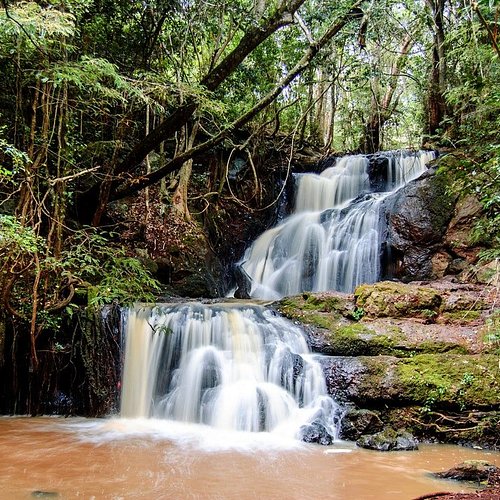
Karura Forest Reserve: A sprawling urban upland forest featuring scenic nature trails, cascading waterfalls, Mau Mau caves, bicycle tracks, and friendly populations of colobus monkeys.
Uhuru Park and Central Park: Centrally located recreational grounds featuring serene lawns, monuments, and artificial lakes ideal for relaxation and afternoon strolls.
Ngong Hills: Rising just southwest of the city, these green rolling peaks offer fantastic hiking trails, panoramic views of the Great Rift Valley, and breezy outdoor escapes.
4. Architecture & Skyline Landmarks
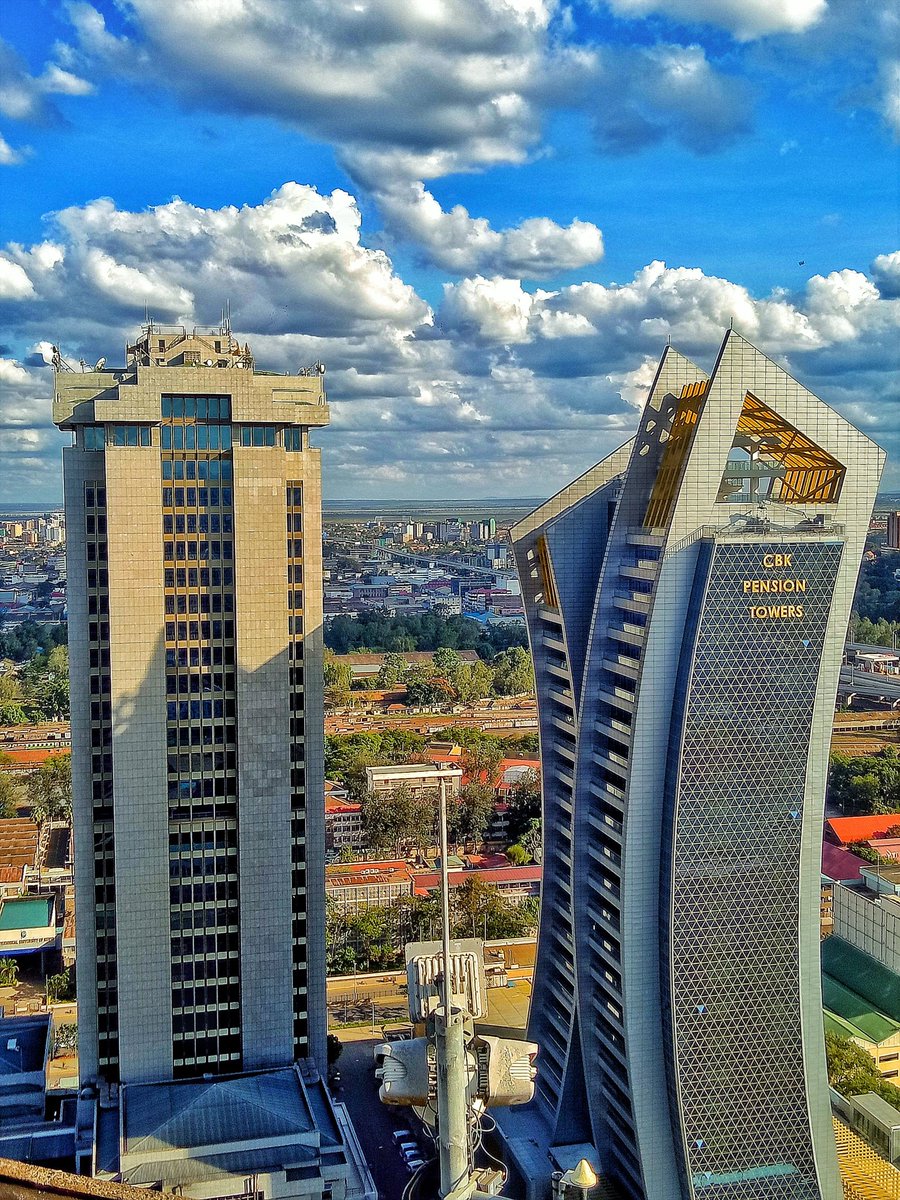
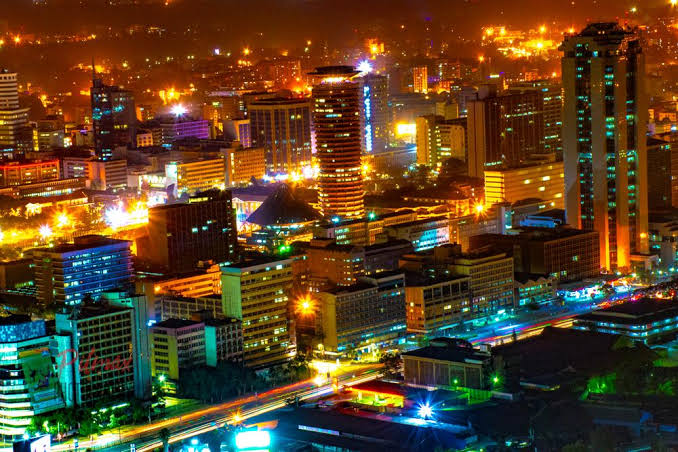
Kenyatta International Convention Centre (KICC): Instantly recognizable by its cylindrical tower shape, the rooftop helipad offers the finest 360-degree panoramic view of Nairobi's expanding skyline.
Nairobi serves as the primary transportation and aviation hub for East and Central Africa. Its strategic positioning connects major international travel corridors with domestic safari circuits, making seamless accessibility a core feature of the capital.
1. Road Networks & Urban Mobility
Nairobi features an extensive, multi-tiered road network designed to streamline both cross-city traffic and airport transfers:
The Nairobi Expressway: A vital 27-kilometer elevated toll highway running from Mlolongo through Jomo Kenyatta International Airport (JKIA) and the Central Business District (CBD) to Westlands, drastically cutting airport commute times.
Major Radial Arterials: Key multi-lane highways anchor city movement, including Thika Road (north/east corridor), Mombasa Road, Waiyaki Way (west corridor), Jogoo Road, and Ngong Road.
Bypasses: The Southern, Eastern, and Northern Bypasses allow long-distance and cargo transit traffic to bypass the congested downtown core entirely.
2. Airports & Aviation Hubs
Nairobi is serviced by world-class aviation facilities that connect global tourists directly to Kenya's wildlife reserves:
Jomo Kenyatta International Airport (JKIA): East Africa's largest aviation hub, located approximately 15 kilometers southeast of the CBD. It handles major international carriers, regional flights, and domestic connections.
Wilson Airport: Located just south of the city center, Wilson Airport is the bustling hub for regional and domestic safari flights, operating scheduled and charter flights operated by companies like Airkenya and Safarilink to parks like the Maasai Mara, Amboseli, and Samburu.
3. Railways & The Standard Gauge Railway (SGR)
Rail transport offers a smooth, highly efficient alternative for travel between the coast and the capital:
Nairobi Terminus (SGR): Located at Syokimau just outside the core city center, the Standard Gauge Railway provides high-speed passenger train services (the Madaraka Express) connecting Nairobi to the coastal city of Mombasa daily.
Commuter Rail Services: Links outlying residential zones directly to the central railway station, easing inner-city transit bottlenecks during peak hours.
4. Universal Accessibility & Public Transit
Public Transit Framework: Dominated by localized minibuses (matatus) and mid-sized buses operating along fixed corridor routes.
Inclusivity & Infrastructure Updates: Ongoing urban development initiatives focus heavily on pedestrian walkways, universal design principles for upcoming mass transit systems like Bus Rapid Transit (BRT), and improved street lighting to ensure safe, barrier-free access for all travelers and commuters.
Nairobi County delivers a striking contrast of untamed wilderness, deep-rooted historical heritage, and cosmopolitan energy. Whether you are spotting rhinos against city skyscrapers, walking through indigenous highland forests, or tracing human history at the national museum, Nairobi offers an unforgettable start to any East African adventure.