Samburu County: Top Attractions, Safari Guide & Wildlife Destinations
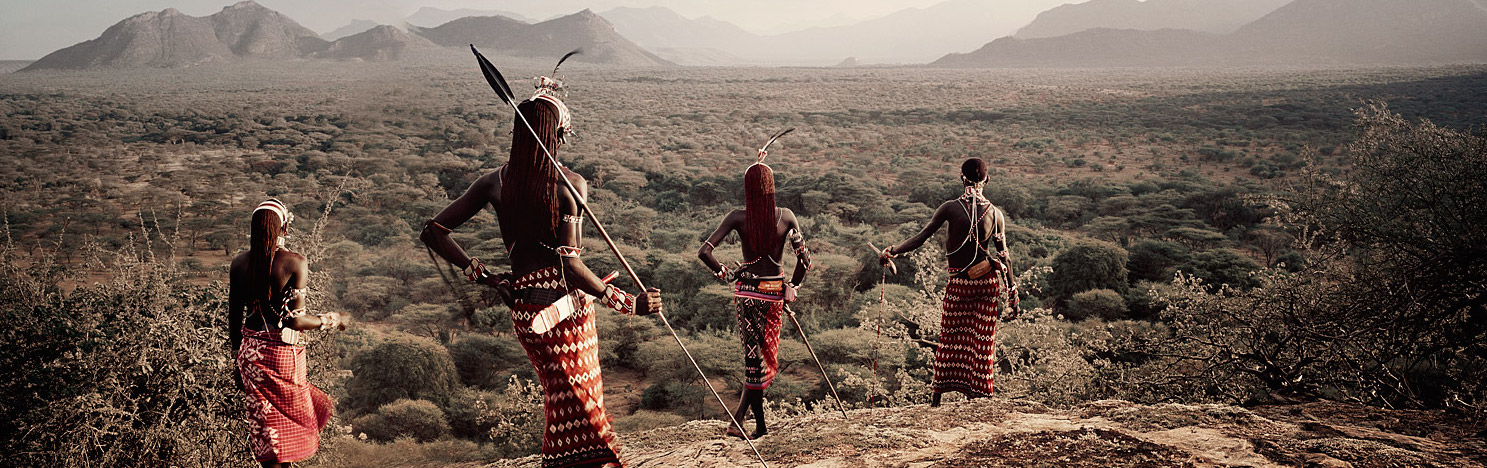
Samburu County is one of Kenya's most captivating, off-the-beaten-path frontier safari and conservation destinations, located in the rugged northern region along the dramatic basin of the Ewaso Nyiro River. Spanning arid lowlands, volcanic terrain, and striking mountain ranges, Samburu offers an authentic wilderness experience distinct from southern Kenyan parks.
The county is globally famous for hosting the "Samburu Special Five"—rare northern endemic species that cannot be found easily together elsewhere. Blending world-class wildlife conservation, dramatic landscapes, and immersive cultural encounters with the indigenous semi-nomadic Samburu people, the county is an ideal destination for adventurous travelers, photographers, and nature enthusiasts.
Samburu County is one of Kenya's most captivating and culturally rich frontier safari destinations, situated in the rugged northern region along the dramatic basin of the Ewaso Nyiro River. Spanning arid lowlands, volcanic terrain, and striking mountain ranges, Samburu offers an authentic wilderness experience distinct from southern Kenyan parks. The county is globally famous for hosting the "Samburu Special Five"—rare northern endemic species that cannot be found easily together elsewhere. Blending world-class wildlife conservation, dramatic landscapes, and immersive encounters with the indigenous Samburu people, the county is an ideal destination for adventurous travelers, photographers, and nature enthusiasts.
1. Samburu National Reserve
Overview
Samburu National Reserve is the crown jewel of northern Kenya's safari circuit. Covering approximately 165 square kilometers along the northern banks of the Ewaso Nyiro River, the reserve features a stunning contrast of arid savannah, rocky outcrops, and lush green riverine forests framed by doum palms.
The reserve is internationally famous for protecting the Samburu Special Five:
Grevy's Zebra: Characterized by narrow stripes and large rounded ears.
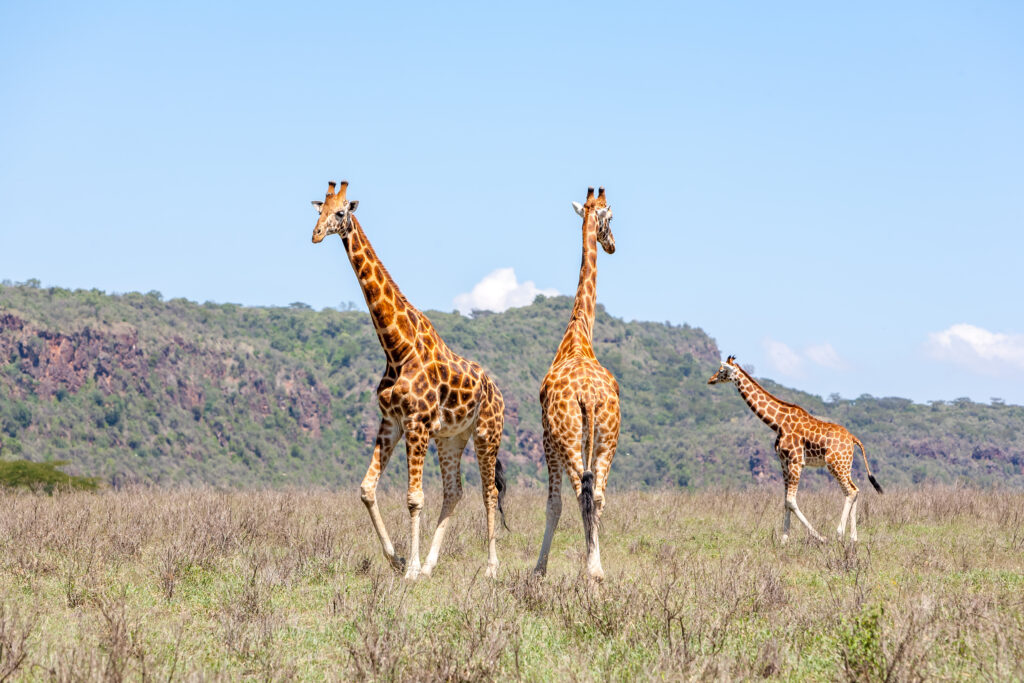
Reticulated Giraffe: Known for its striking, liver-colored geometric coat patterns.
Beisa Oryx: A striking antelope with long, straight horns.
Gerenuk: The slender "giraffe-necked" gazelle that feeds standing on its hind legs.
Somali Ostrich: Easily identified by its distinct bluish-grey legs and neck.
Wildlife & Birdlife
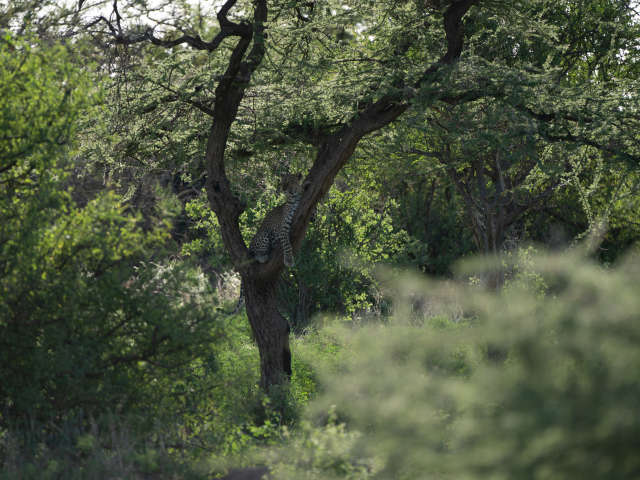
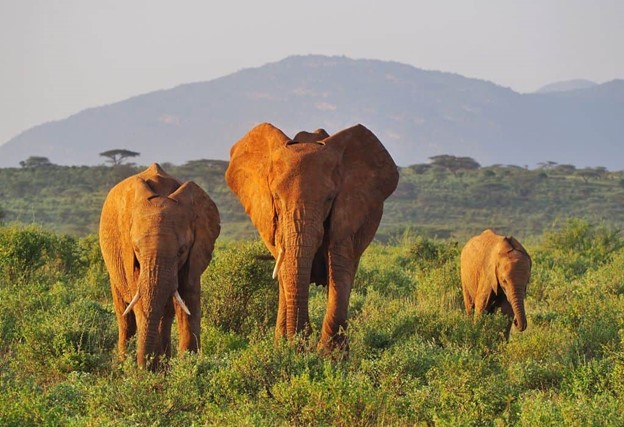
Aside from the special endemics, Samburu supports large populations of African elephants, lions, leopards, cheetahs, olive baboons, and Nile crocodiles basking along the riverbanks. Birdwatchers can record over 450 species, including the vibrant vulturine guineafowl, hornbills, and numerous raptors.
Visitor Activities & Best Time to Visit
Activities: Guided game drives, camel-back safaris, birdwatching, and cultural visits to local Samburu manyattas.
Best Time to Visit: Accessible year-round, with optimal wildlife viewing during the dry seasons from June to October and January to March when animals concentrate along the Ewaso Nyiro River.
2. Buffalo Springs National Reserve
Overview
Located directly across the Ewaso Nyiro River from Samburu National Reserve, Buffalo Springs National Reserve is named after a crystal-clear natural water spring originating from an underground source. Covering rolling volcanic savannahs and open grasslands, it offers a quieter, less crowded safari experience while sharing an interconnected ecosystem with Samburu.
Highlights & Activities
The Oasis Effect: The permanent springs attract large herds of elephants, buffaloes, and plains game, especially during dry spells.
Game Viewing & Photography: Excellent predator visibility and scenic backdrops of ancient lava terraces.
Accessibility: Easily reached via a short drive from Archer's Post Gate, often visited using a joint park ticket with Samburu.
3. Reteti Elephant Sanctuary
Overview
Situated within the expansive Namunyak Wildlife Conservancy in the Mathews Range, Reteti Elephant Sanctuary is Kenya's first community-owned and run elephant orphanage. The sanctuary rescues, rehabilitates, and successfully reintroduces orphaned and abandoned elephant calves back into the wild.
Why It Matters
Reteti is a pioneer in ethical wildlife tourism and community-led conservation. Managed entirely by local Samburu keepers, the project empowers the local community while giving visitors an intimate, educational look into practical wildlife rescue, bottle-feeding sessions, and forest rehabilitation.
4. Mount Ololokwe (OI Lolokwe)
Overview
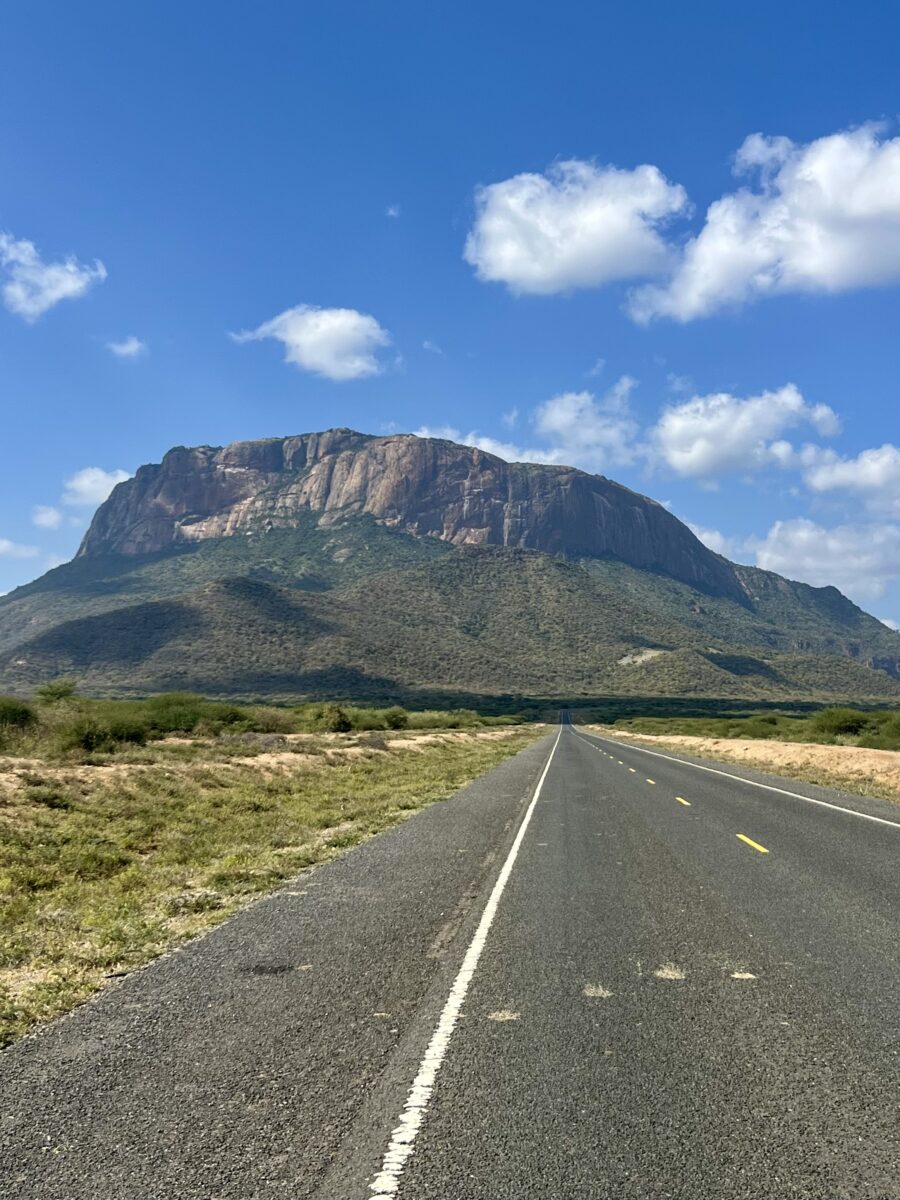
Rising sharply over 2,000 meters above the surrounding semi-arid plains, Mount Ololokwe (Matarema) is a majestic, flat-topped sacred mountain of the Samburu people. It serves as a striking landmark along the main highway toward northern Kenya.
Adventure & Cultural Significance
Hiking & Rock Climbing: Energetic travelers can tackle guided ascents up ancient elephant trails to reach the forested plateau summit, which offers panoramic views stretching across the northern landscape toward the Mathews Range.
Cultural Heritage: The mountain holds immense spiritual value, frequently used for traditional prayers, blessings, and community rituals.
5. Shaba National Reserve
Overview
Located east of Samburu, Shaba National Reserve is a rugged, volcanic wilderness defined by dramatic lava flows, scattered woodlands, and thermal hot springs. Famous globally as the backdrop for Joy and George Adamson's conservation work and the book/film Born Free, Shaba offers an untamed, remote atmosphere.
Highlights
Dramatic Terrain: Features striking gorges, riverine woodlands, and the prominent Shaba Hill volcano.
Exclusive Safaris: Due to lower visitor volumes, it provides exceptional privacy for wildlife photography, leopard sightings, and tracking striped hyenas.
Core Geographic & Cultural Facts
Location: Northern Kenya, stretching north of the equator across semi-arid lowlands and dramatic mountain ranges.
Key Ecosystem Lifeline: The Ewaso Nyiro River, which serves as the permanent water source sustaining the region's wildlife during dry periods.
Indigenous Culture: Home to the Samburu people, a Nilotic community renowned for their vibrant traditional shukas, intricate beadwork, and preservation of ancient pastoralist traditions.
Climate & Best Time to Visit: Warm, dry, and sunny year-round. Peak wildlife viewing occurs during the dry seasons from June to October and January to March, when animals congregate densely along the Ewaso Nyiro River.