
Tanzania Safari Guide 2026: Serengeti, Ngorongoro, Costs & Best Itineraries
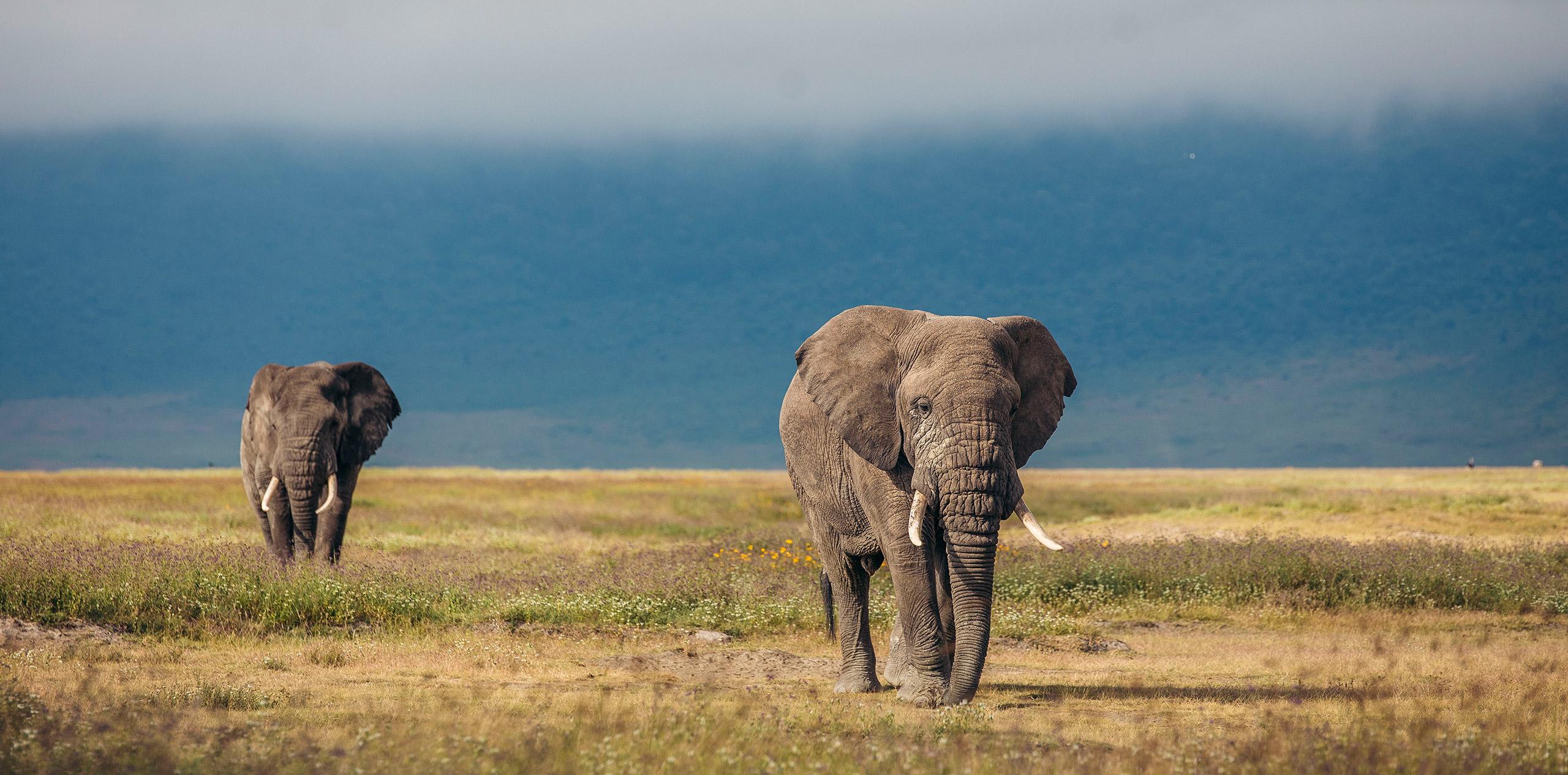
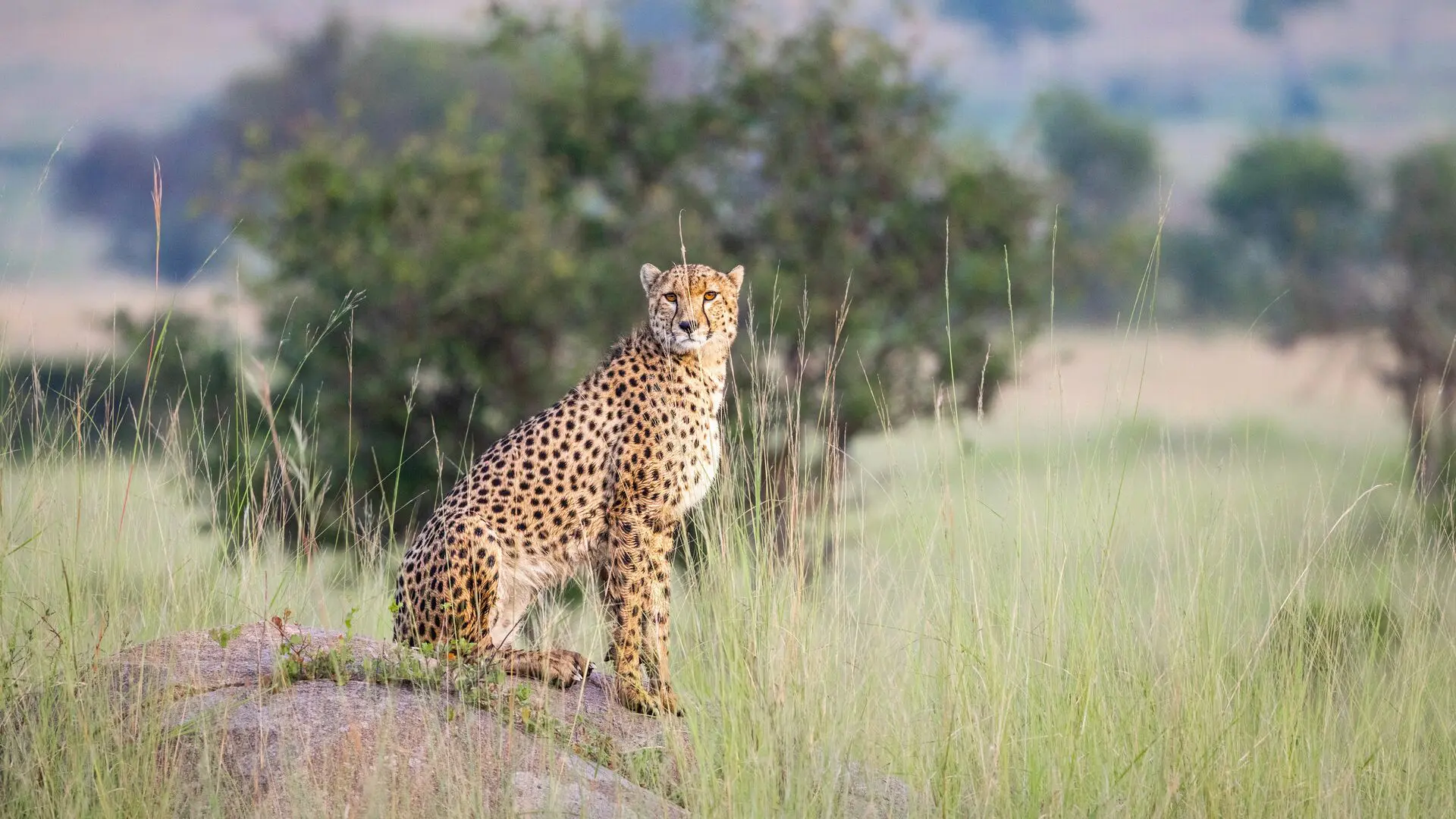
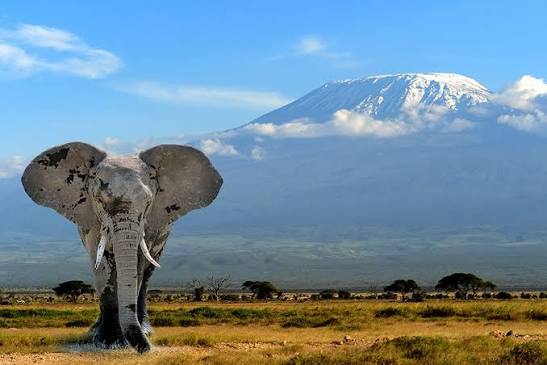
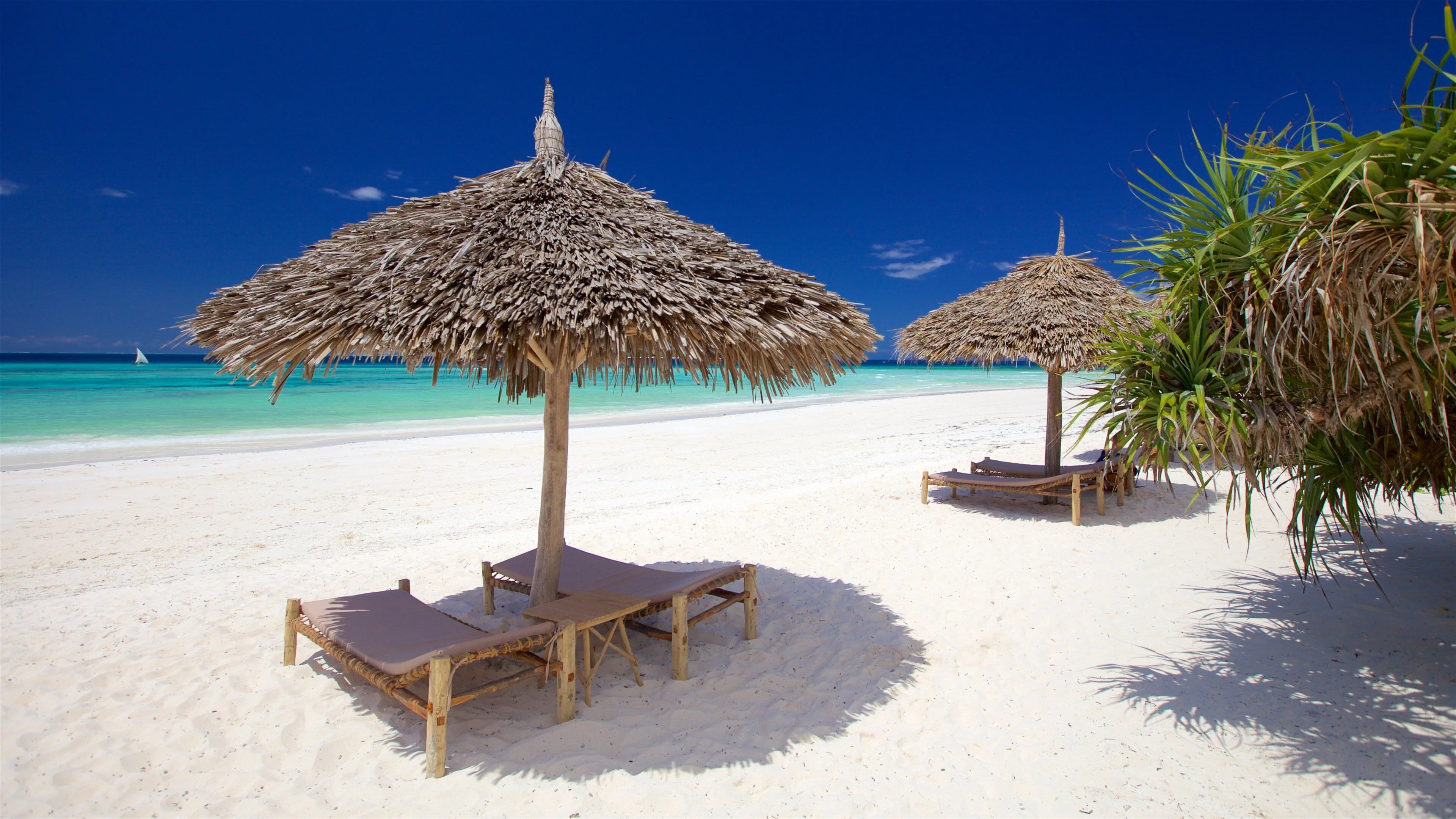
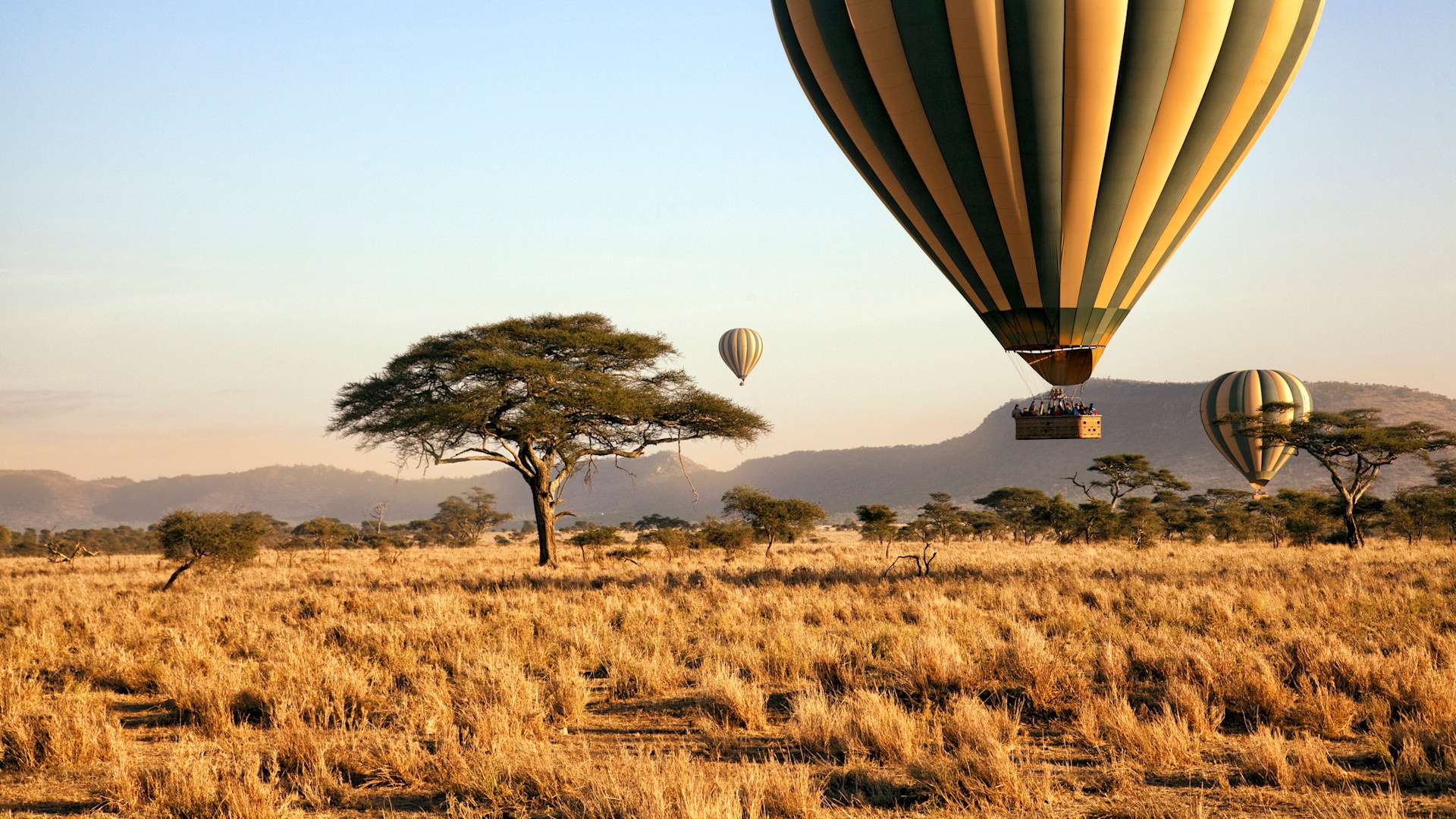
Tanzania is one of Africa's premier safari destinations, offering the Serengeti, Ngorongoro Crater, Tarangire, Lake Manyara, Nyerere and Ruaha. This guide explains where to go, what wildlife to expect, the Great Wildebeest Migration, safari costs, the best time to visit and how to build a Tanzania safari itinerary.
Tanzania is one of the world's most important safari destinations, combining enormous wildlife landscapes, the Great Wildebeest Migration, the Ngorongoro Crater, Mount Kilimanjaro and the tropical beaches of Zanzibar.
The country's northern safari circuit is particularly popular because several major wildlife destinations can be combined into one road safari.
A classic itinerary can take travellers from Arusha to Tarangire, Ngorongoro and the Serengeti, while longer trips can add Lake Manyara, Lake Natron or Zanzibar.
Southern Tanzania offers a different experience, with larger wilderness areas and fewer visitors in destinations such as Nyerere National Park and Ruaha National Park.
Why Choose Tanzania for a Safari?
Tanzania is particularly strong for travellers looking for a classic African safari.
The country offers:
- The Serengeti
- The Great Wildebeest Migration
- Ngorongoro Crater
- Mount Kilimanjaro
- Large elephant populations
- Big Five wildlife
- Extensive wilderness
- Walking and boat safari opportunities in selected areas
- Cultural experiences
- Zanzibar beach extensions
One of Tanzania's greatest advantages is the ability to combine several major wildlife ecosystems within one trip.
Best Safari Destinations in Tanzania
| Destination | Best Known For |
|---|---|
| Serengeti National Park | Great Migration & predators |
| Ngorongoro Crater | Big Five & crater wildlife |
| Tarangire National Park | Elephants & baobabs |
| Lake Manyara National Park | Birdlife & diverse scenery |
| Nyerere National Park | Boat & wilderness safaris |
| Ruaha National Park | Remote wildlife & elephants |
| Katavi National Park | Remote wilderness |
| Lake Natron | Flamingos & dramatic landscapes |
| Arusha National Park | Mount Meru & short safaris |
The Serengeti is Tanzania's most famous safari destination and one of Africa's most iconic wildlife ecosystems.
Its name is associated with vast open plains, large herbivore populations and some of Africa's best predator viewing.
Visitors can encounter:
- Lions
- Leopards
- Cheetahs
- Elephants
- Buffaloes
- Giraffes
- Zebras
- Wildebeest
- Hippos
- Crocodiles
- Numerous antelope species
The Serengeti is also the principal Tanzanian stage of the Great Wildebeest Migration.
The Great Migration
The migration involves millions of wildebeest and large numbers of zebras and other herbivores moving through the Serengeti-Mara ecosystem.
The movement is driven largely by rainfall and the availability of fresh grazing.
This means there is no guaranteed date or location for a specific migration event.
River crossings are particularly famous, but they are unpredictable. Travellers should therefore choose the timing and location of their safari based on broader migration patterns rather than promises of a guaranteed crossing.
2. Ngorongoro Crater
The Ngorongoro Crater is one of Tanzania's most distinctive wildlife destinations.
The crater is a vast volcanic caldera containing grasslands, woodland, wetlands and a permanent water source.
Its enclosed landscape can provide excellent wildlife viewing.
Possible sightings include:
- Lions
- Elephants
- Buffaloes
- Hippos
- Zebras
- Wildebeest
- Hyenas
- Gazelles
- Rhinos
The crater is particularly valuable for travellers who have limited time because a game drive can provide a concentrated wildlife experience within a relatively compact area.
3. Tarangire National Park
Tarangire is particularly famous for elephants and baobab trees.
The park's landscapes provide a different visual experience from the open plains of the Serengeti.
Wildlife includes:
- Elephants
- Lions
- Leopards
- Buffaloes
- Giraffes
- Zebras
- Wildebeest
- Oryx
- Gerenuk
- Numerous bird species
Tarangire is an excellent addition to a northern Tanzania safari, especially when combined with Ngorongoro and Serengeti.
4. Lake Manyara National Park
Lake Manyara provides a compact but diverse safari environment.
The park includes groundwater forests, woodland, grassland and lake ecosystems.
It is known for:
- Elephants
- Buffaloes
- Giraffes
- Zebras
- Hippos
- Primates
- Birdlife
Lake Manyara can be included in a northern circuit, although travellers with limited time may prioritise Serengeti, Ngorongoro and Tarangire.
5. Nyerere National Park
Formerly known as Selous Game Reserve, Nyerere is one of Tanzania's major southern safari destinations.
The park provides a different safari experience from the northern circuit.
One of its major attractions is the opportunity for boat safaris, allowing visitors to explore waterways and observe hippos, crocodiles and other wildlife.
Depending on the itinerary and area, visitors can also enjoy:
- Game drives
- Boat excursions
- Walking experiences
- Birdwatching
Nyerere is particularly suitable for travellers looking for a quieter and more varied safari experience.
6. Ruaha National Park
Ruaha is one of Tanzania's most important wilderness areas and is especially associated with large elephant populations.
The landscape includes open plains, woodland and rocky areas.
Wildlife can include:
- Elephants
- Lions
- Leopards
- African wild dogs
- Buffaloes
- Giraffes
- Zebras
- Greater kudu
- Numerous antelope species
Ruaha is particularly appealing to repeat safari travellers looking beyond the heavily visited northern circuit.
Tanzania Big Five Safari
Tanzania is a strong Big Five safari destination.
The Big Five are:
- Lion
- Leopard
- Elephant
- Buffalo
- Rhinoceros
The Serengeti and Ngorongoro are particularly well known for Big Five viewing.
However, seeing all five on a single trip is never guaranteed because wildlife moves freely through natural habitats.
Best Time to Visit Tanzania for Safari
Tanzania can be visited throughout the year, but the best period depends on your chosen destinations and objectives.
June to October
This is generally one of the most popular periods for a Tanzania safari.
It offers:
- Drier conditions
- Good wildlife viewing
- Comfortable safari conditions
- Strong opportunities in the northern parks
It is also an important period for migration-related travel in the Serengeti.
January to February
This period can be particularly interesting in the Serengeti ecosystem because the wildebeest breeding season generally occurs around the southern Serengeti and Ndutu area.
The exact timing varies with rainfall.
March to May
The long rains can result in fewer visitors and potentially lower accommodation rates.
The landscapes become lush and green, making this an attractive period for photography and travellers who prefer fewer crowds.
November to December
The short rains can bring fresh vegetation and green landscapes.
Wildlife remains present, although weather conditions can affect roads and daily safari activities.
How Much Does a Tanzania Safari Cost?
Tanzania safari prices vary considerably.
The main factors include:
- Number of days
- Number of travellers
- Accommodation standard
- Private or shared safari
- Safari vehicle
- Park fees
- Season
- Domestic flights
- Activities
- Transfers
A budget safari may use basic campsites or budget accommodation and shared transport.
A mid-range safari generally uses comfortable lodges or tented camps.
Luxury safaris can include premium camps, private vehicles, private guides and internal flights.
Important:
A cheap safari is not necessarily the best-value safari.
When comparing quotations, look at what is actually included, particularly park fees, accommodation, meals, transportation, guide services and airport transfers.
How Many Days Do You Need for a Tanzania Safari?
3 Days
A short safari can focus on:
Tarangire + Ngorongoro
or
Serengeti-focused safari
depending on arrival and departure logistics.
5 Days
A popular northern circuit:
Tarangire → Ngorongoro → Serengeti
provides a strong introduction to Tanzania.
7 Days
Seven days allows more time for the Serengeti and reduces the need to rush between destinations.
A possible route is:
Tarangire → Ngorongoro → Serengeti → Serengeti
10 Days
A longer safari can include:
Tarangire → Lake Manyara → Ngorongoro → Serengeti
with multiple nights in the Serengeti.
Tanzania Safari and Zanzibar
One of the most popular Tanzania holidays combines a mainland safari with Zanzibar.
A typical itinerary might be:
Day 1–2: Tarangire
Day 3: Ngorongoro
Day 4–6: Serengeti
Day 7: Fly to Zanzibar
Day 8–10: Zanzibar beach holiday
This combination allows travellers to experience Tanzania's wildlife before relaxing on the Indian Ocean coast.
Luxury itineraries can use internal flights to reduce long road transfers.
Tanzania Safari from Arusha
Arusha is one of the main gateways for northern Tanzania safaris.
Many itineraries begin here before travelling toward:
Arusha → Tarangire → Ngorongoro → Serengeti
Kilimanjaro International Airport is another important arrival point for travellers heading directly into the northern safari circuit.
Tanzania Safari vs Kenya Safari
Kenya and Tanzania are both excellent choices, but their strongest attractions differ.
Choose Tanzania for:
- Serengeti
- Ngorongoro Crater
- Great Migration
- Mount Kilimanjaro
- Large wilderness areas
- Zanzibar combinations
- Southern Tanzania
Choose Kenya for:
- Maasai Mara
- Amboseli
- Samburu
- Ol Pejeta
- Lake Nakuru
- Extensive private conservancies
- Safari and Diani beach combinations
For travellers with sufficient time, Kenya and Tanzania can be combined into one East African safari.
Tanzania Safari and Mount Kilimanjaro
Tanzania is also home to Mount Kilimanjaro, Africa's highest mountain.
Travellers can combine a Kilimanjaro climb with a safari.
For example:
Kilimanjaro → Tarangire → Ngorongoro → Serengeti → Zanzibar
creates a comprehensive Tanzania adventure.
A mountain climb requires considerably more preparation than a conventional safari, so the itinerary should allow sufficient time for acclimatisation and recovery.
Is Tanzania Good for a First Safari?
Yes.
Tanzania is particularly suitable for first-time safari travellers because the northern circuit offers several world-class destinations within a relatively manageable route.
A first safari can focus on:
Tarangire + Ngorongoro + Serengeti
This combination provides elephants, crater wildlife, predators, plains game and the possibility of experiencing migration depending on the season.
Tanzania Safari FAQs
What is Tanzania best known for?
Tanzania is best known for the Serengeti, Great Wildebeest Migration, Ngorongoro Crater, Mount Kilimanjaro and Zanzibar.
Is Tanzania good for a safari?
Yes. Tanzania offers exceptional wildlife diversity, large protected areas and several internationally recognised safari destinations.
What is the best safari in Tanzania?
The Serengeti and Ngorongoro are among the most popular choices, but the best safari depends on whether you prioritise migration, Big Five wildlife, elephants, remote wilderness or a beach extension.
How much does a Tanzania safari cost?
Prices vary according to accommodation, season, number of days, transport and whether the safari is private or shared.
How many days are enough for Tanzania?
Five to seven days is a good starting point for the northern circuit. Longer trips allow more time in the Serengeti and additional destinations.
When is the best time to see the Great Migration?
The migration moves throughout the Serengeti-Mara ecosystem during the year. The exact location depends on rainfall and grazing conditions, so travellers should plan around seasonal patterns rather than a guaranteed date.
Can I see the Big Five in Tanzania?
Yes. Serengeti and Ngorongoro are among the country's strongest destinations for Big Five viewing, although sightings cannot be guaranteed.
Is Ngorongoro Crater worth visiting?
Yes. Its enclosed volcanic landscape supports a high concentration of wildlife and makes it one of Tanzania's most rewarding short safari experiences.
Is Serengeti better than Ngorongoro?
They offer different experiences. Serengeti is better suited to expansive plains, predators and migration, while Ngorongoro offers concentrated wildlife viewing within a dramatic crater landscape.
Can I combine Tanzania safari with Zanzibar?
Yes. This is one of the most popular Tanzania holiday combinations.
Is Tanzania more expensive than Kenya?
Neither country is automatically more expensive. Prices depend on accommodation, park fees, transport, season and itinerary design.
Can I do a Tanzania safari on a budget?
Yes. Shared safaris, camping and budget accommodation can reduce costs considerably compared with private luxury safaris.
Is Tanzania suitable for families?
Yes, although families should check individual lodge policies, activity age limits and driving distances before booking.
Tanzania offers one of Africa's most complete safari experiences.
The Serengeti provides extraordinary plains and predator viewing, Ngorongoro delivers concentrated wildlife within a spectacular volcanic setting, Tarangire is renowned for elephants and baobabs, while Nyerere and Ruaha offer a quieter southern safari experience.
For a first-time visitor, a 5–7 day northern Tanzania safari covering Tarangire, Ngorongoro and Serengeti is an excellent starting point. Travellers with more time can extend the trip with Mount Kilimanjaro, additional Serengeti nights or Zanzibar.