
Can You Really See Rhinos at Lake Nakuru National Park? Where to Find Black and White Rhinos, the Best Viewing Times, and Expert Safari Tips
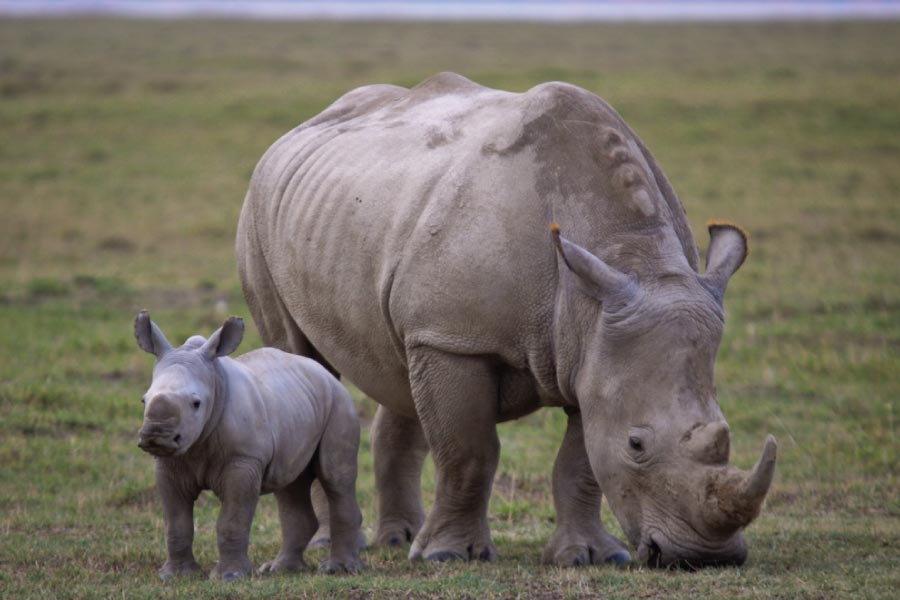
For many travellers planning a safari in Kenya, seeing a rhinoceros in the wild is one of the biggest highlights of the entire trip. Unlike zebras, giraffes, or buffaloes, rhinos are among Africa's rarest large mammals, making every sighting feel truly special. Because populations have declined dramatically over the past century due to poaching and habitat loss, visitors often wonder whether seeing a rhino is a matter of luck or whether there are places in Kenya where sightings are almost guaranteed. One of the most common questions asked on Google is, "Can you really see rhinos at Lake Nakuru National Park?" The short answer is yes—but the complete answer is far more fascinating.
Lake Nakuru National Park is internationally recognised as one of Kenya's greatest wildlife conservation success stories and is widely regarded as one of the best places in Africa to see both endangered black rhinos and southern white rhinos in their natural habitat. Unlike many national parks where rhino sightings are rare or unpredictable, Lake Nakuru's fenced ecosystem, dedicated conservation programme, and carefully managed habitat have created a safe environment where rhino populations continue to grow. Today, the park supports one of Kenya's largest concentrations of rhinos, giving visitors an exceptional opportunity to observe these remarkable animals at relatively close range while contributing directly to their long-term protection through conservation tourism.
In this comprehensive guide, you'll discover everything you need to know before planning a rhino safari in Lake Nakuru National Park. We'll explain the differences between black and white rhinos, where each species is commonly found within the park, the best times of day to maximise your chances of sightings, and how seasonal weather influences rhino behaviour. You'll also learn why experienced safari guides often choose specific game drive routes depending on rainfall, vegetation, and recent wildlife movements, increasing the likelihood of unforgettable encounters.
Beyond helping you spot rhinos, this guide explores the remarkable conservation efforts that transformed Lake Nakuru into one of Africa's most successful rhino sanctuaries. We'll examine how Kenya Wildlife Service protects these endangered animals through anti-poaching initiatives, habitat management, scientific monitoring, veterinary care, and translocation programmes. You'll also gain insight into the ecological importance of rhinos, the challenges they continue to face, and how responsible tourism helps fund conservation projects that protect not only rhinos but the park's entire ecosystem.
Because many travellers visit Lake Nakuru specifically for rhinos, we'll answer the questions most frequently searched on Google and AI-powered search engines. Are rhino sightings guaranteed? Which species is easier to see? Is Lake Nakuru better than Ol Pejeta Conservancy for rhinos? Can you safely photograph rhinos? How close do safari vehicles get? Are rhinos dangerous? What time of year offers the best opportunities? Can children enjoy a rhino safari? We'll provide practical, experience-based answers that help you set realistic expectations while preparing for one of Kenya's most rewarding wildlife experiences.
Of course, rhinos are only part of what makes Lake Nakuru National Park extraordinary. During your search, you're also likely to encounter Rothschild's giraffes, tree-climbing lions, leopards, buffaloes, zebras, impalas, waterbucks, baboons, warthogs, and more than 450 bird species, including flamingos and pelicans when conditions are favourable. We'll show you how to combine rhino viewing with visits to iconic locations such as Baboon Cliff, Lion Hill, Makalia Falls, and the lake shoreline, creating a well-rounded safari itinerary that showcases the park's incredible biodiversity.
Whether you're a wildlife photographer hoping to capture close-up images of endangered rhinos, a family introducing children to Africa's iconic wildlife, or a first-time safari traveller ticking the Big Five off your bucket list, this guide will help you understand why Lake Nakuru National Park remains one of the finest destinations in Africa for rhino viewing. By the end of this article, you'll know where to look, when to visit, what to expect, and how your safari contributes to one of Kenya's greatest conservation achievements.