
Lion Facts: 15 Amazing Facts About Africa's King of the Savannah
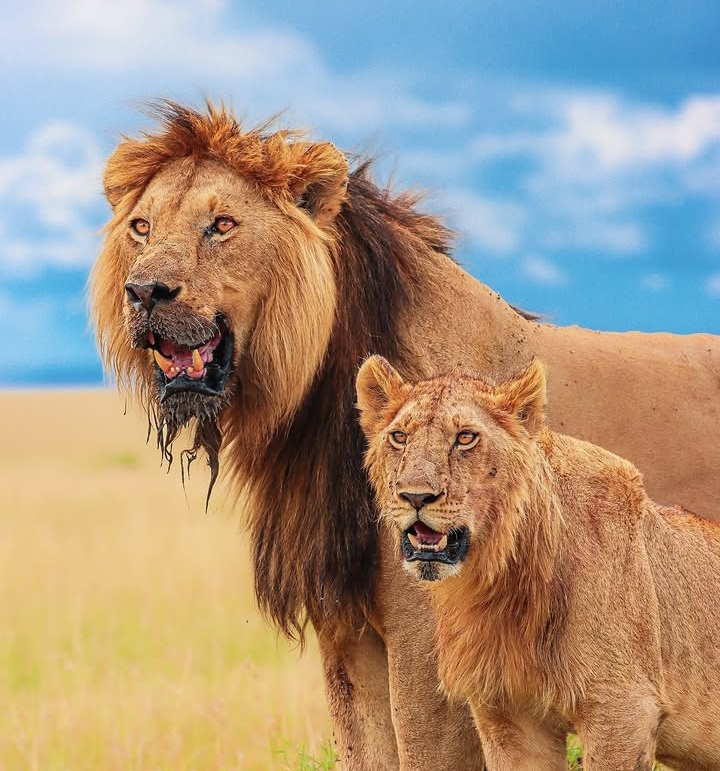
Lion Facts: 15 Amazing Facts About Africa's King of the Savannah
Lions are among Africa's most iconic and fascinating animals. Known for their powerful roars, impressive manes, strong social bonds, and remarkable hunting abilities, lions are one of the most sought-after animals on an African safari. They are also an important member of Africa's famous Big Five. This guide explores fascinating lion facts, including where lions live, how they hunt, what they eat, how prides work, and the best places to see lions on safari in Kenya.
15 Amazing Lion Facts You Should Know
1. Lions Are the Only Big Cats That Live in Groups
Unlike leopards and many other large cats, lions are highly social animals. They live in family groups called prides.
A pride may include several related females, their cubs, and a small number of adult males. The size of a pride can vary depending on the availability of food and the habitat.
2. A Group of Lions Is Called a Pride
The pride is the centre of a lion's social life.
Female lions usually remain in the same pride throughout most of their lives, while young males often leave when they become adults and may form coalitions with other males.
These coalitions can work together to establish and defend their own territory.
3. Female Lions Are Usually the Main Hunters
One of the most interesting lion facts is that lionesses perform much of the hunting for the pride.
They often work together, using teamwork and strategy to approach and capture prey.
However, male lions can also hunt successfully, particularly when targeting larger animals.
4. Lions Can Roar Over Long Distances
A lion's roar is one of the most recognisable sounds in Africa.
Lions roar to communicate with other members of their pride, establish their territory, and warn rival lions to stay away.
Their powerful roars can travel across the African landscape for several kilometres under suitable conditions
5. Male Lions Are Famous for Their Manes
Adult male lions are easily recognised by their impressive manes.
The colour and size of a lion's mane can vary from light brown to very dark.
A mane provides some protection during fights and is also an important visual feature when lions interact with rivals and potential mates.
6. Lions Spend Much of Their Day Resting
Despite their reputation as powerful predators, lions spend a large part of the day resting.
They often sleep or relax for many hours, especially during the hot daytime temperatures.
This helps them conserve energy for hunting and other activities, which are often more common during cooler periods
7. Lions are powerful predators
Lions hunt a wide range of animals depending on where they live.
Their prey commonly includes:
Wildebeests
Zebras
Buffaloes
Antelopes
Warthogs
Lions often rely on stealth, teamwork, and a short burst of speed when hunting.
8. Lions Are Not the Fastest Big Cats
Lions are powerful and can run quickly over short distances, but they cannot maintain high speeds for long.
For this reason, they usually try to get as close as possible to their prey before launching an attack.
Their hunting success depends on timing, teamwork, and the surrounding terrain.
9. Lion Cubs Are Born into the Pride
Lion cubs depend heavily on their mothers during their early lives.
The females in a pride may help protect and care for young cubs.
As they grow, cubs learn important behaviours through interaction, observation, and play.
10. Male Lions Often Form Coalitions
Young male lions commonly leave their birth pride as they mature.
Some males form strong partnerships called coalitions.
A coalition may work together to take control of a pride and defend a territory against rival males.
11. Lions Are Important to Africa's Ecosystems
As major predators, lions play an important role in maintaining balanced ecosystems.
By hunting herbivores, they contribute to the natural relationship between predator and prey.
Their presence is also an indicator of healthy wildlife habitats that can support large animal populations.
12. Lions Are Part of Africa's Famous Big Five
The lion is one of the five animals known as the Big Five, alongside:
Leopard
African elephant
African buffalo
Rhinoceros
The term originally came from big-game hunting but is now strongly associated with wildlife viewing, photography, and safari tourism.
13. Lionesses Are Highly Skilled Team Hunters
When hunting together, lionesses may take different positions around potential prey.
Some lions may drive the animal in a particular direction while others wait in positions that improve their chances of a successful hunt.
This cooperation makes lions among Africa's most successful large predators.
14. Lions Communicate in Many Different Ways
Lions communicate through more than just roaring.
They also use:
Growls
Grunts
Body movements
Facial expressions
Scent marking
These forms of communication help lions maintain relationships within the pride and establish territory.
15. Every Lion Safari Experience Is Different
Seeing lions in the wild is one of the highlights of an African safari.
You may find lions resting beneath trees, watching over open plains, interacting with other pride members, or actively hunting.
Because lions are wild animals, every sighting is unique.
Where Do Lions Live?
African lions primarily live in:
Open grasslands
Savannahs
Woodlands
Semi-arid landscapes
Their preferred habitats generally provide access to prey, water, and suitable areas for resting and hiding.
What Do Lions Eat?
Lions are carnivores, meaning they eat meat.
Their diet depends on the animals available in their habitat.
Common prey includes wildebeests, zebras, buffaloes, antelopes, warthogs, and other medium-sized or large mammals.
Lions may also scavenge food from animals that have died or prey killed by other predators.
Where Is the Best Place to See Lions in Kenya?
Kenya is one of Africa's best destinations for seeing lions in the wild.
Masai Mara National Reserve
The Masai Mara National Reserve is widely considered one of the best places in Kenya to see lions.
The reserve has extensive open grasslands and a healthy population of prey animals, creating excellent conditions for lion sightings.
Visitors can often observe lions resting, interacting within prides, or hunting across the plains.
Best for:
Lion photography
Predator sightings
Wildlife documentaries
Great Wildebeest Migration safaris
Amboseli National Park
Amboseli offers opportunities to see lions while enjoying spectacular views of Mount Kilimanjaro.
Although the park is more famous for elephants, lions are regularly found within its ecosystem.
Best for:
Wildlife photography
Scenic safari experiences
Combining lions and elephants
Tsavo East and Tsavo West National Parks
Tsavo is famous for its vast wilderness and remarkable history of lions.
The parks offer a more rugged and remote safari experience compared with the Masai Mara.
Best for:
Wilderness safaris
Wildlife adventures
Longer Kenya safari circuits
Ol Pejeta Conservancy
Ol Pejeta Conservancy is another excellent destination for wildlife enthusiasts.
Visitors can encounter lions while exploring the conservancy's diverse landscapes and searching for the rest of the Big Five.
Best for:
Big Five safaris
Conservation experiences
Short safaris from Nanyuki
What Is the Best Time to See Lions on Safari?
Lions can be seen throughout the year in Kenya.
However, the best time of day for lion sightings is often during:
Early morning
Late afternoon
Cooler periods of the day
During the hottest hours, lions are often resting in shaded areas.
The dry seasons can also make wildlife easier to spot because vegetation is generally less dense and animals often concentrate around reliable water sources.
How Long Do Lions Live?
The lifespan of a lion varies depending on whether it lives in the wild or under human care.
Wild lions face many challenges, including competition, disease, injuries, and changing environmental conditions.
Their survival also depends heavily on access to prey and secure habitats.
Are Lions Dangerous?
Yes. Lions are powerful wild predators and should always be treated with respect.
Safari visitors should never approach lions on foot outside authorised and professionally managed experiences.
The safest way to observe lions is during a guided safari with an experienced professional guide.
Can You See Lions on Every Kenya Safari?
Lions are found in several of Kenya's major wildlife destinations, but sightings can never be guaranteed.
Wild animals move freely, and sightings depend on factors such as:
Time of day
Weather
Vegetation
Animal movements
Season
Safari location
Choosing destinations with strong lion populations and spending more time on game drives can improve your chances.
Frequently Asked Questions About Lions
Why are lions called the King of the Jungle?
Lions are often called the King of the Jungle because of their strength, powerful appearance, social dominance, and historical cultural symbolism. Interestingly, lions primarily live in grasslands and savannahs rather than dense jungles.
What is a group of lions called?
A group of lions is called a pride.
Are female lions better hunters than male lions?
Lionesses perform much of the hunting in many prides and often work together as a team. However, male lions are also capable and powerful hunters.
What is the biggest threat to lions?
Major threats include habitat loss, declining prey populations, conflict with humans, and other pressures affecting wildlife habitats.
How fast can a lion run?
Lions can reach impressive speeds over short distances, but they are not built for long-distance running. They rely heavily on stealth and short bursts of speed while hunting.
Where is the best place to see lions in Kenya?
The Masai Mara National Reserve is one of the best destinations in Kenya for lion sightings because of its open plains, abundant prey, and strong predator population.
Book Your Lion Safari with Malaso Africa Safaris
Want to experience the thrill of seeing lions in their natural habitat? Malaso Africa Safaris offers unforgettable Kenya safari experiences designed around your travel dates, budget, and preferred wildlife destinations.
Whether you want to explore the famous plains of the Masai Mara, discover the wilderness of Tsavo, enjoy the spectacular scenery of Amboseli, or combine several destinations into one unforgettable safari, our team can help create the right experience for you.
Why Travel with Malaso Africa Safaris?
Tailor-made Kenya safari packages
Private and group joining safaris
Professional and experienced safari guides
Comfortable 4x4 safari vehicles
Budget, mid-range, and luxury accommodation options
Multi-destination safari itineraries
Personalised travel planning support
Start Planning Your Kenya Lion Safari Today
Contact Malaso Africa Safaris today and let us help you experience the power, beauty, and unforgettable wildlife of Africa's legendary lions.