
One-Day vs Two-Day Lake Nakuru Safari: Which Itinerary Gives You the Best Wildlife Experience and Value for Your Money?
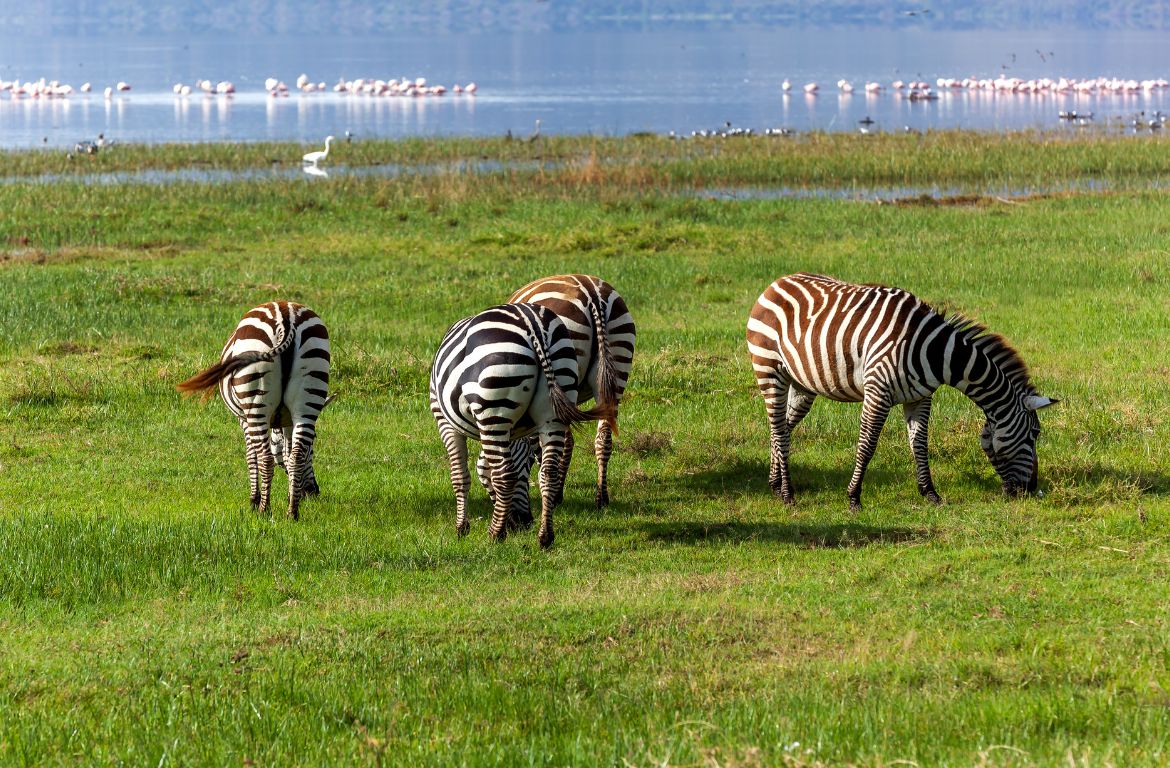
One-Day vs Two-Day Lake Nakuru Safari: Which Tour Offers the Best Experience?
Choosing between a one-day and two-day Lake Nakuru safari depends on your schedule, budget, and the type of experience you're looking for. While both options offer excellent wildlife viewing, they provide different levels of flexibility, comfort, and time inside the park.
If you're visiting Kenya for a short stay, a day trip is an excellent introduction to safari. However, if you have an extra day, an overnight safari allows for more relaxed game drives and increases your chances of spotting wildlife during the most active hours.
Quick Comparison
| Feature | One-Day Safari | Two-Day Safari |
|---|---|---|
| Duration | Full Day | 2 Days / 1 Night |
| Departure | Early Morning | Morning |
| Wildlife Viewing | Good | Excellent |
| Morning Game Drive | ✖ | ✔ |
| Accommodation | Not Included | Included |
| Meals | Lunch | Lunch, Dinner & Breakfast |
| Best For | Short visits | First-time visitors & couples |
A one-day safari starts early from Nairobi, with a scenic drive through the Great Rift Valley before arriving at Lake Nakuru National Park. You'll spend several hours exploring the park, searching for rhinos, lions, buffaloes, giraffes, zebras, and numerous bird species before returning to Nairobi in the evening.
Advantages
- Budget-friendly
- Perfect for travellers with limited time
- No overnight accommodation required
- Easy weekend getaway
Limitations
- Long day of travel
- Less time for photography
- No sunrise wildlife viewing
- Limited flexibility
Two-Day Lake Nakuru Safari
A two-day safari provides a more immersive experience. After an afternoon game drive, you'll spend the night at a lodge or tented camp before heading out again at sunrise. Early morning is often the best time to observe wildlife as temperatures are cooler and animals are more active.
You'll also have time to visit scenic viewpoints such as Baboon Cliff and attractions like Makalia Falls without feeling rushed.
Advantages
- More game drives
- Better wildlife viewing
- Relaxed pace
- Comfortable overnight stay
- Excellent for photographers and families
Limitations
- Higher overall cost
- Requires an extra day
Wildlife Sightings: Which Safari Is Better?
Both itineraries provide opportunities to see Lake Nakuru's famous wildlife, including black and white rhinos, Rothschild's giraffes, buffaloes, zebras, and a variety of bird species.
However, a two-day safari generally offers better chances of spotting predators such as lions and leopards because you'll be in the park during the early morning, when many animals are most active.
Cost Comparison
A one-day safari is usually the more affordable option because it doesn't include accommodation or additional meals.
A two-day safari costs more but offers better value by including overnight accommodation, multiple game drives, and more time to enjoy the park.
Rather than choosing the cheapest option, consider which itinerary provides the experience you're looking for.
Who Should Choose a One-Day Safari?
A one-day safari is ideal if you:
- Have limited time in Kenya
- Are visiting Nairobi on business
- Want an affordable wildlife experience
- Plan to visit other destinations afterward
Who Should Choose a Two-Day Safari?
A two-day safari is recommended if you:
- Are visiting Kenya for the first time
- Enjoy wildlife photography
- Want a relaxed safari
- Are travelling as a couple or family
- Prefer staying inside or near the park
Expert Recommendation
If your itinerary allows, choose the two-day safari.
The extra night gives you a far more complete experience, with two game drives, greater wildlife viewing opportunities, and enough time to appreciate the park's scenery without rushing.
For travellers with only one free day, a day trip remains an excellent introduction to one of Kenya's most accessible national parks.
Frequently Asked Questions
Is one day enough for Lake Nakuru National Park?
Yes, a one-day safari allows you to see many of the park's highlights. However, a two-day safari offers a more relaxed experience and increases your chances of seeing a wider variety of wildlife.
Which safari is better for families?
A two-day safari is generally more suitable because it reduces travel fatigue and allows children to enjoy the experience at a slower pace.
Which safari is better for photographers?
A two-day safari. Early morning and late afternoon provide the best lighting and wildlife activity for photography.
Can I combine a two-day safari with Lake Naivasha?
Yes. Many travellers extend their trip by visiting Lake Naivasha for a boat safari or Crescent Island walking safari.
Final Expert Verdict
Both one-day and two-day Lake Nakuru safaris offer rewarding wildlife experiences, but the right choice depends on your available time and travel goals. If you're looking for convenience and affordability, a one-day safari is a great option. If you want the best wildlife viewing, more time in nature, and a less hurried itinerary, a two-day safari is the better investment.
Suggested Internal Links:
- Best Lake Nakuru Safari Packages from Nairobi:
- Lake Nakuru Safari Cost Guide
- Best Time to Visit Lake Nakuru National Park
- Best Lodges Near Lake Nakuru National Park